- City Parks
- Recreation and entertainment
Place Louis Morichar - Louis Moricharplein
About this place
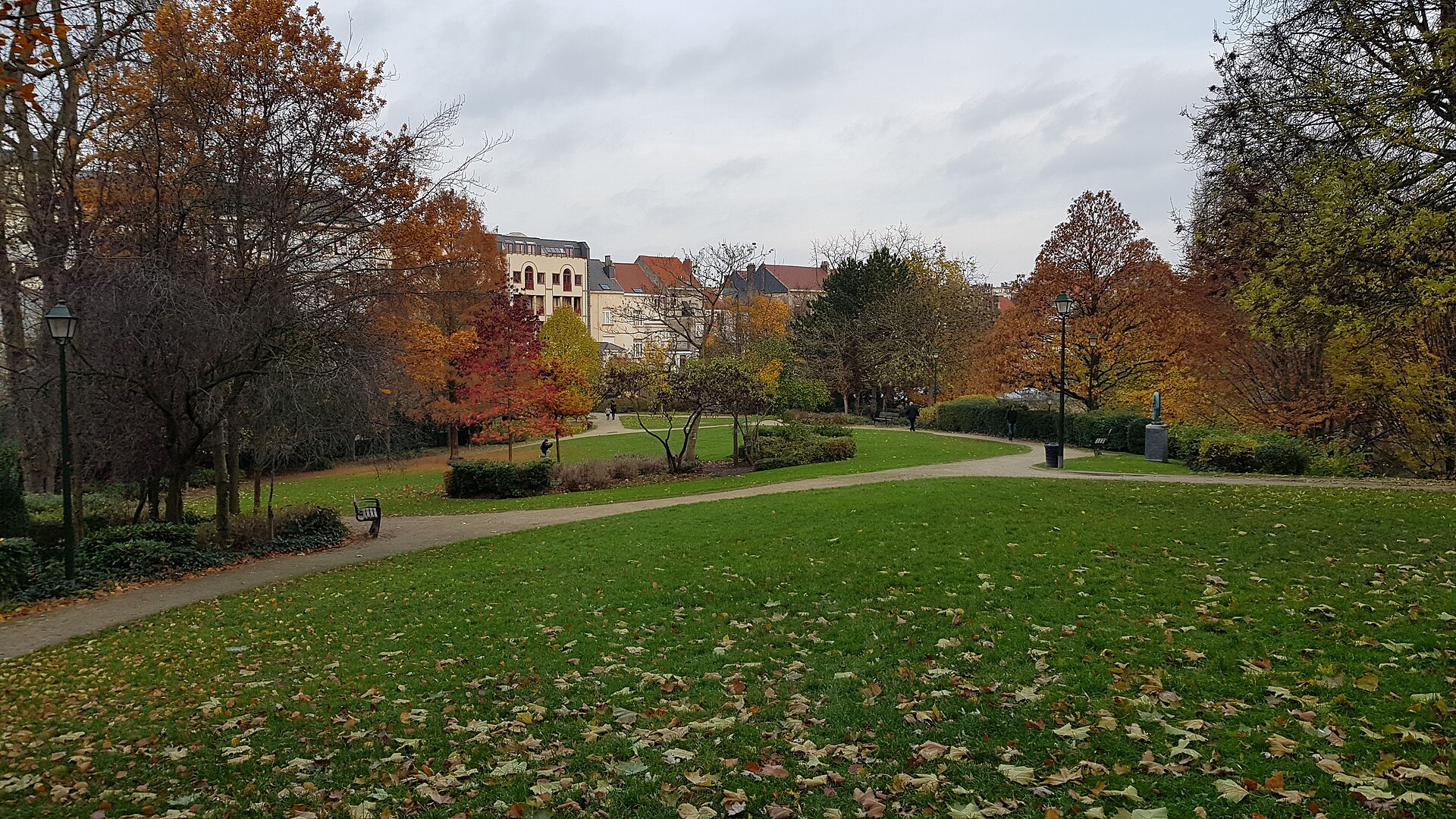
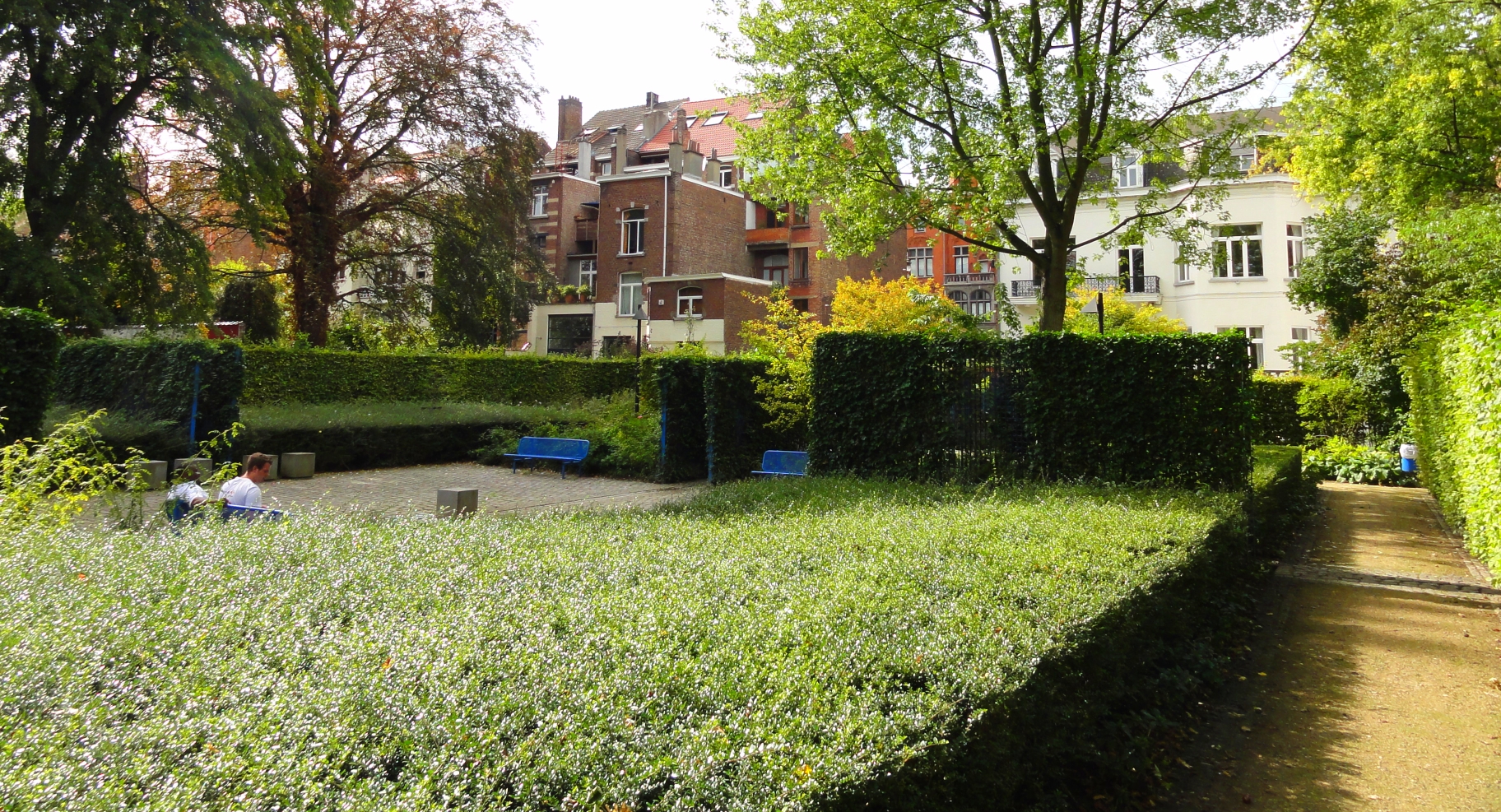
Place Louis Morichar - Louis Moricharplein is a green, elongated square in the municipality of Saint-Gilles (Sint-Gillis), one of the nineteen municipalities of the Brussels-Capital Region. The square sits on sloped ground and has a distinctly park-like layout — rather than a paved civic square, visitors find lawns, walking paths and mature trees, giving the spot the feel of a neighborhood green space more than a formal urban plaza.
Where exactly is the square located?
The site lies in the eastern part of Saint-Gilles, in an area once bounded by the roads to Waterloo and Charleroi and the Louise district. It was precisely with the development of this area in mind that, back in 1862, Victor Besme, inspector of the Brussels suburbs, drew up a broad urban planning scheme covering the whole district. At the junction of several streets — including rue de Rhétorique, rue du Lycée, rue des Étudiants, rue de Parme, rue de Roumanie, rue d'Irlande and rue de Tamines — space was set aside for a public square.
How did the square come into being?
The Brussels municipal council decided to divide the land into building lots in 1882, though the sale process stretched over the following years — every lot had found a buyer only by 1897–1902. Once the plots were sold, the surrounding buildings went up quickly, giving the area a coherent, if eclectic, architectural character. In 1898 the municipality of Saint-Gilles asked the Brussels administration for permission to acquire roughly 6,900 square meters of land in order to lay out a public square there — a decision that shaped the green character the space still has today.
Where does the square's name come from?
The site was originally known as Place de Parme. It received its current name, honoring Louis Morichar, in 1911. Louis Morichar (1858–1939) was a lawyer and alderman responsible for public instruction and fine arts, serving in that executive role within the local council. Renaming the square from "Parme" to the name of a local public figure fits a common practice of the turn of the 20th century, when streets and squares were frequently renamed to commemorate figures who had served the community.
What does the architecture around the square look like?
The townhouses surrounding the former Place de Parme were built at a rapid pace around the turn of the 19th and 20th centuries, once all the building plots had found buyers. The result is a cohesive row of facades in the eclectic style and Brussels art nouveau — an architectural idiom typical of many bourgeois districts built in the Belgian capital during that period. Walking around the square, visitors can spot details typical of the style: ornamented balconies, decorative window surrounds and the rich stucco work characteristic of the era.
Frequently asked questions
Is Place Louis Morichar a city square or a park? It has a hybrid character — formally a square, but its sloped terrain and green layout make it function more like a small neighborhood park.
Who was Louis Morichar? He was a lawyer and local council figure (1858–1939) who served as alderman responsible for public instruction and fine arts in Saint-Gilles.
When did the square receive its current name? In 1911 — before that, since its creation in the late 19th century, it was known as Place de Parme.
In what architectural style are the surrounding townhouses built? Mostly eclectic style and Brussels art nouveau, typical of Saint-Gilles buildings from the turn of the 19th and 20th centuries.
Nearby places

Earn badges for the places you visit
Download NextOnTrip, discover new places and check off your trails.