About this place
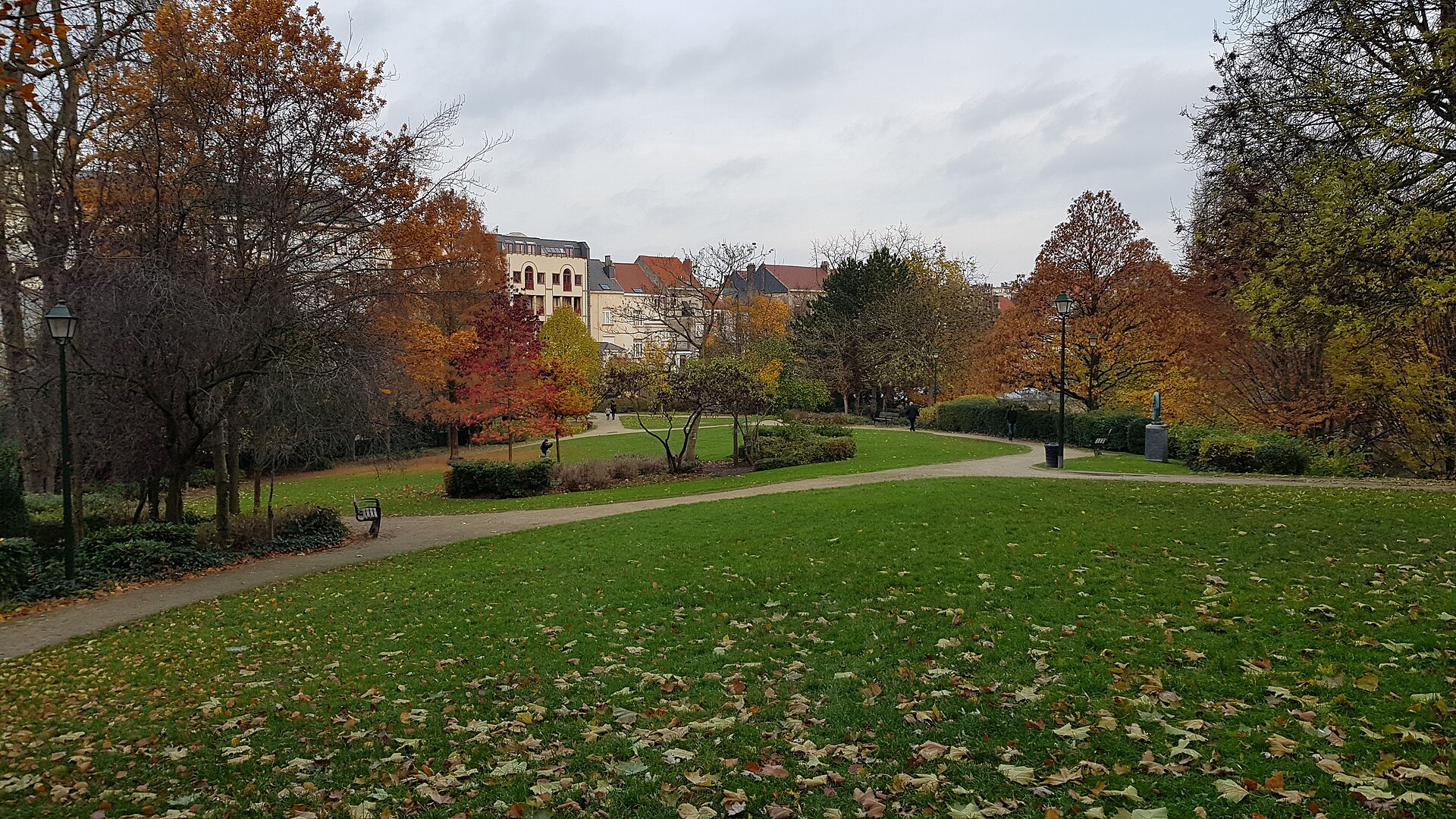
Pierre Paulus Park is a green pocket in the municipality of Saint-Gilles in Brussels, stretching between rue de Parme and rue de l'Hôtel des Monnaies. It rarely makes it onto standard tourist maps, overshadowed by Brussels' more famous parks, but for locals in this part of the city it's a genuine everyday retreat — intimate, quiet and densely planted.
Where does the park's name come from?
The park is named after Pierre Paulus de Châtelet (1881–1959), a Belgian painter, engraver and lithographer who lived in Saint-Gilles. Paulus was known for his expressionist depictions of the industrial landscape of his native Wallonia — mines, foundries, barges on the river Sambre, and the workers who powered them. Naming the park after him is a tribute to an artist closely tied to this neighbourhood.
How did the park take its current shape?
The site's history is more layered than it first appears. The park was formed from the merger of former private gardens that once belonged to a residence known as the Maison Pelgrims. Its eastern, older section retains the character of an English landscape garden — this was the original garden of the Pelgrims house, with the loose, naturalistic planting typical of that style.
The western section has an entirely different origin. It occupies land that once belonged to a religious establishment, the Cénacle, and took its current form following metro construction works in 1973. It was at that point that the two parts — the older residential garden and the newer land shaped by infrastructure works — were joined into a single, cohesive municipal park.
Given its historical and landscape value, the park was officially classified as a protected site on 17 April 1997.
What can visitors see in the park?
The park is often described as a miniature reproduction of a Romantic English-style park, and the description fits: fountains, a pond, a water basin and natural springs combine to create a picturesque, intimate landscape tucked into a densely built district.
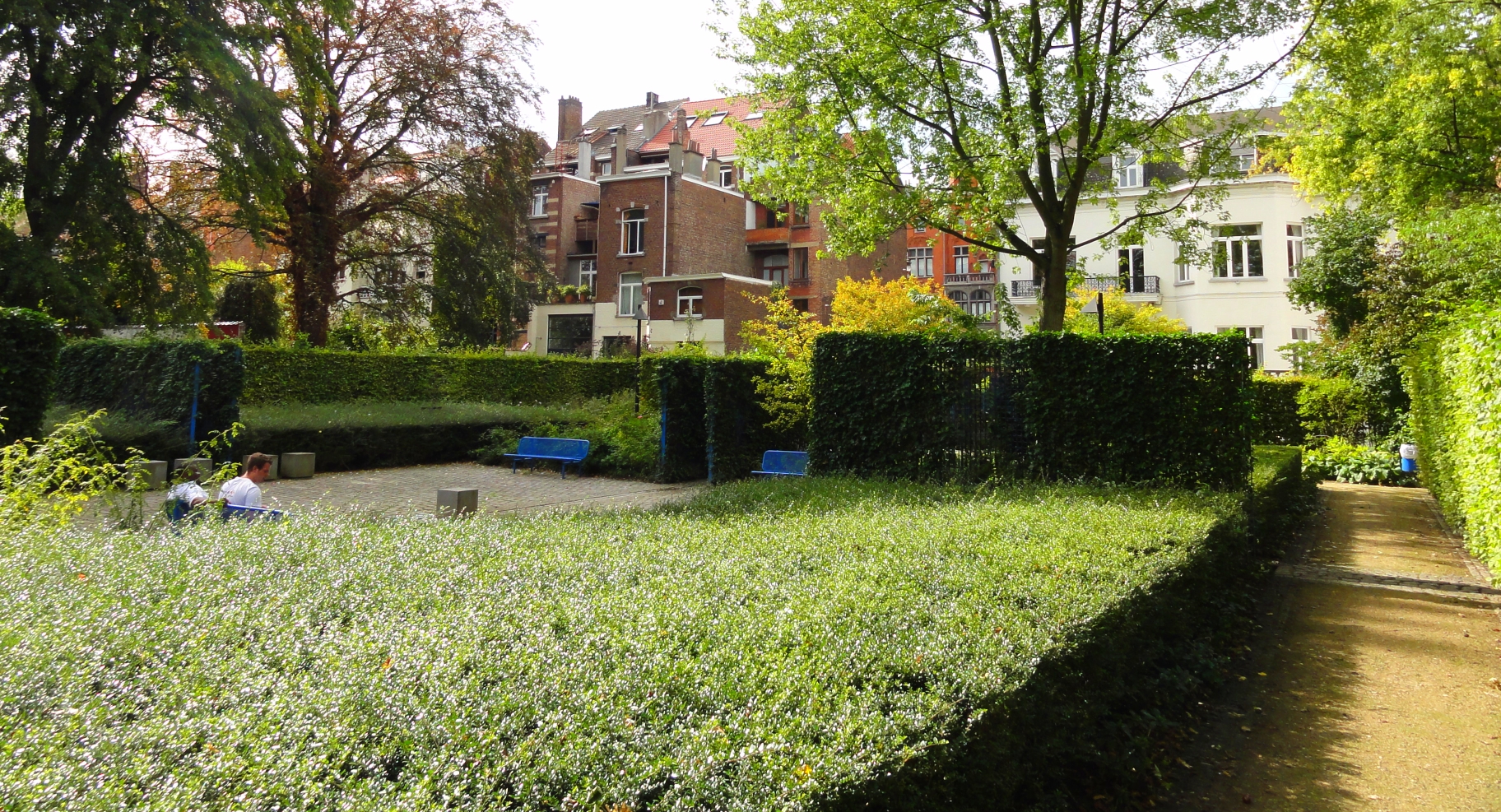
The park also serves a recreational role for the local community — it includes a boulodrome, a dedicated area for pétanque, a game popular across Belgium and France as a social pastime. It's a spot where Saint-Gilles residents gather throughout the year, whatever the season.
Why is it worth a visit?
Pierre Paulus Park is a good example of how urban green space can hold several layers of history at once — from a private residential garden, through land once owned by a religious order, to the imprint left by modern metro infrastructure. For visitors exploring Brussels beyond the usual tourist routes, it offers a glimpse of everyday life in one of the capital's more mixed and lively municipalities. Its calm atmosphere, romantic layout and local character make it a pleasant stop while exploring Saint-Gilles, a district also known for its Art Nouveau architecture and flea markets.
Frequently asked questions
Where exactly is the park located? Between rue de Parme and rue de l'Hôtel des Monnaies, in the municipality of Saint-Gilles, Brussels.
Where does the park's name come from? From Pierre Paulus de Châtelet, a Belgian expressionist painter linked to Saint-Gilles, who lived from 1881 to 1959.
Is the park a protected heritage site? Yes, it was classified as a protected site on 17 April 1997.
What can be found inside the park? Fountains, a pond, natural springs, and a boulodrome for playing pétanque.
Nearby places

Earn badges for the places you visit
Download NextOnTrip, discover new places and check off your trails.