About this place
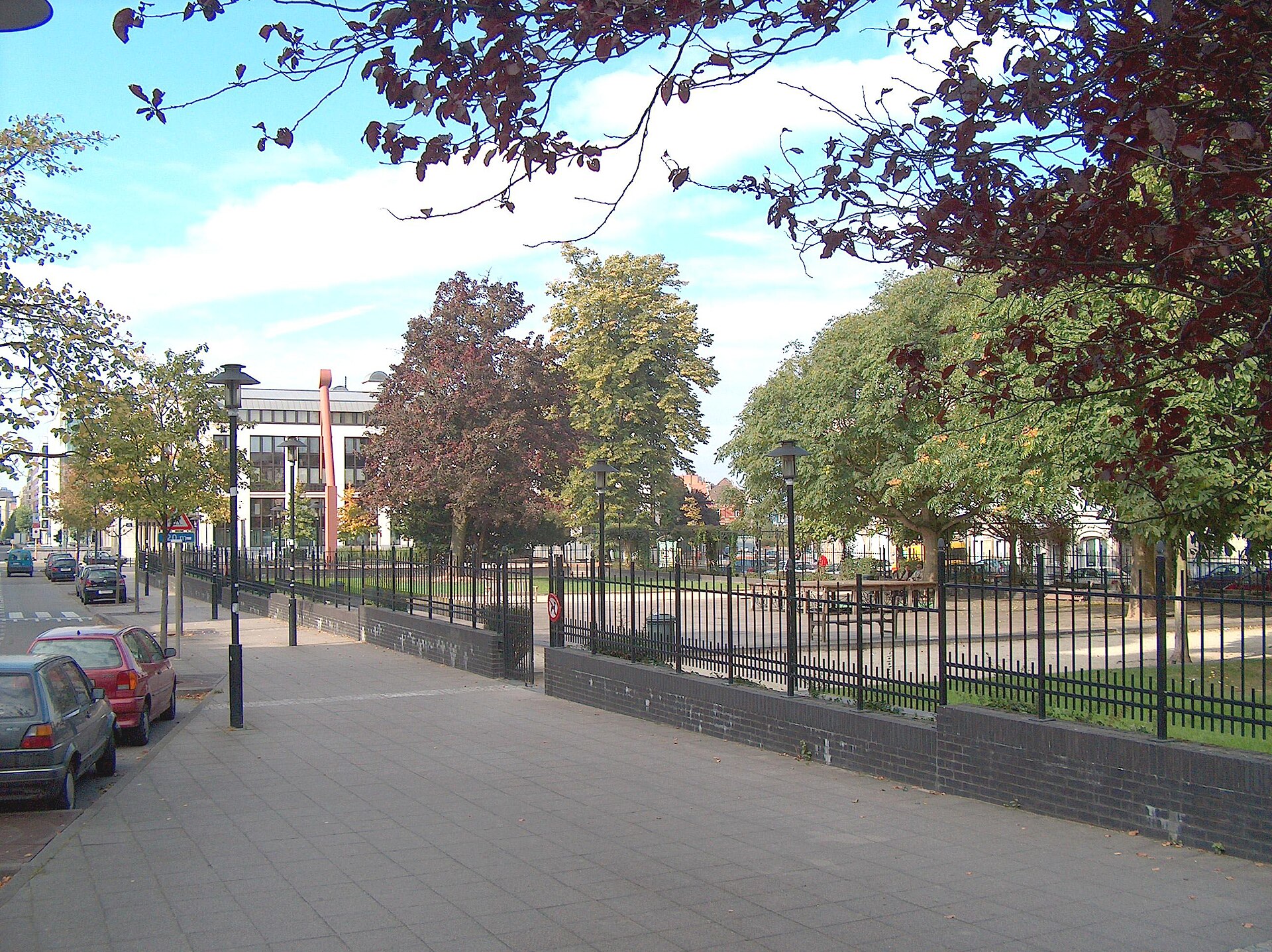
Place de la Liberté (Vrijheidsplein) is a compact yet dignified square in central Brussels, forming the heart of what is now known as the Quartier des Libertés, once called Notre-Dame-aux-Neiges. Its bilingual name — French "Place de la Liberté" and Dutch "Vrijheidsplein" — reflects the everyday bilingual reality of the Belgian capital, where both languages hold official status.
How did this square come to be?
The square dates back to the 1870s, created as part of a sweeping redevelopment of the old Notre-Dame-aux-Neiges neighborhood. Before the transformation, the area was a densely built, poor and rundown quarter of narrow streets and alleys, home to working-class residents. City authorities chose to demolish it and replace it with orderly new construction aimed at wealthier inhabitants — a classic 19th-century case of gentrification that displaced thousands of former residents.
The urban layout of the new district, including the square itself, was designed by architect Antoine Mennessier in 1874. The elegant townhouses lining the square, built in an eclectic style drawing on Renaissance influences, were designed by architect Wynand Janssens. Together, their work produced a coherent, harmonious space where 19th-century buildings form an enclosed, intimate composition around a central focal point.
Who is honored at the square's center?
At the heart of the square stands a monument to Charles Rogier (1800–1885), a Belgian statesman and liberal political figure who played a decisive role in the founding of the independent Belgian state in 1830. Rogier was among the key figures of Belgium's 19th-century political life and is remembered as one of the architects of the modern nation. The monument in his honor was unveiled in 1897, underscoring the square's significance in both the history of the city and the country.
Why is it worth a visit?
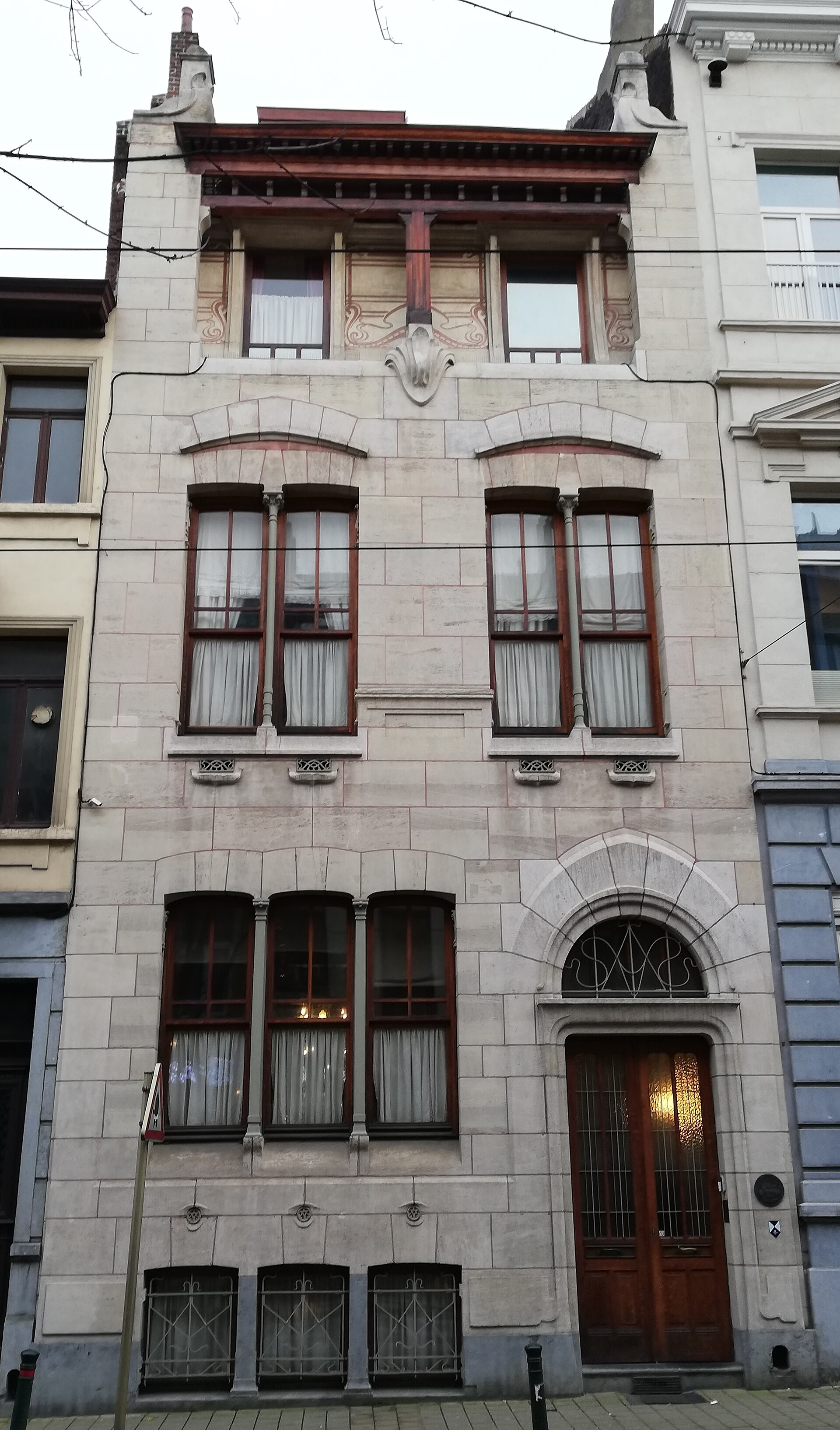
Today, Place de la Liberté remains a lively gathering spot for residents of the surrounding neighborhood. The eclectic townhouses that frame it, along with the square itself, are protected as part of Brussels' architectural heritage. As a result, the square has retained its 19th-century character — a regular layout, uniform building heights, and richly decorated facades — despite more than a century and a half having passed since its creation.
Located close to central Brussels, the square is an easy addition to a walking route through the city's lesser-known but architecturally rewarding corners. It offers a chance to experience 19th-century urban planning up close, away from the crowds that gather at Brussels' more famous landmarks.
Frequently asked questions
What is the square called in Dutch? Vrijheidsplein — a direct translation of the French name Place de la Liberté, meaning "Freedom Square."
When was the square built? It was designed in 1874 as part of the redevelopment of the Notre-Dame-aux-Neiges district, with the monument to Charles Rogier at its center unveiled in 1897.
Who was Charles Rogier? A Belgian statesman and liberal politician, regarded as one of the key figures behind the creation of the independent Belgian state in 1830.
Are the buildings around the square protected heritage sites? Yes, the eclectic townhouses surrounding the square, as well as the square itself, are protected as part of Brussels' architectural heritage.
Nearby places

Earn badges for the places you visit
Download NextOnTrip, discover new places and check off your trails.