About this place
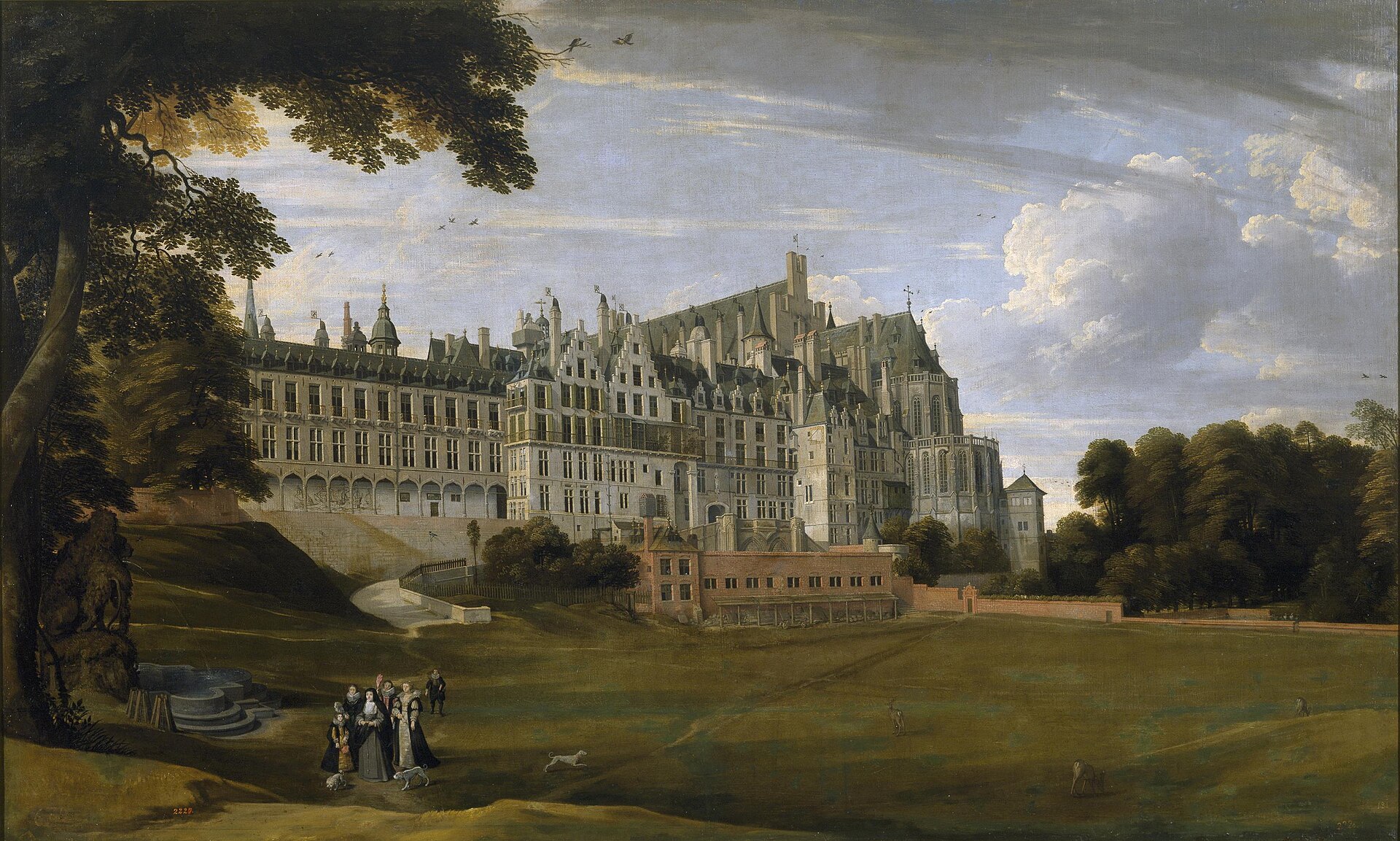
The Royal Palace of Brussels is the official seat of the Belgian monarchy, standing in the heart of the capital on Coudenberg hill. For centuries, this exact spot was occupied by the medieval Coudenberg complex, home to the counts, dukes and governors who successively ruled over the Low Countries. Dating back to the 11th century, that older structure burned down completely in a devastating fire in 1731, leaving the site an empty plot for years afterward.
How did today's palace come to be?
The building we recognize today only began taking shape toward the end of the 18th century. Two separate mansions were erected on the former Coudenberg grounds: one served as the residence of the abbot of the nearby Coudenberg abbey, while the other housed senior officials of the Austrian Netherlands administration. In its earliest form, then, the building functioned as the seat of the region's governor under Habsburg rule, rather than a royal palace in the modern sense.
Everything changed after 1830, when Belgium gained its independence. The newly formed state needed a fitting seat for its monarch, and the former governor's residence was well suited to the role. Throughout the 19th century the complex was gradually rebuilt and unified into a single, coherent structure. The grand facade visitors admire today, however, dates from a thorough renovation carried out around the turn of the 20th century, during the reign of King Leopold II. It was this campaign that gave the palace its imposing, neoclassical character, reflecting the king's ambition to turn Brussels into a capital of true European stature.
What is the palace used for today?
It's worth clearing up a common misconception: the Royal Palace of Brussels is not where the royal family actually lives. Their private residence is the Royal Palace of Laeken, on the northern edge of the city. The palace at the center of Brussels instead serves as the monarch's official workplace — the setting for audiences, diplomatic receptions, state ceremonies and meetings with government representatives. In a sense, it combines the roles of an office and a state reception hall under one monumental roof.
What happened to it during the war?
During the Second World War, like many symbolic buildings across occupied Belgium, the palace came under the control of the German military administration. After the war ended, it was restored, regaining its prewar grandeur and resuming its role as the monarch's official seat.
Frequently asked questions
Can visitors tour the Royal Palace of Brussels? Yes, the palace opens to the public on a seasonal basis, typically during the summer months when the monarch is not in continuous residence in the capital. It's one of the few chances to see the state rooms up close.
Does the royal family actually live there? No. Their residence is the Royal Palace of Laeken. The palace in central Brussels is a ceremonial and working seat, not a private home.
Where does the name Coudenberg come from? Coudenberg refers to the hill and the medieval castle complex that stood on this site from the 11th century until it was destroyed by fire in 1731, clearing the way for the current building.
Who gave the palace its present-day appearance? The monumental facade seen today results from a renovation carried out under King Leopold II around the turn of the 19th and 20th centuries.
Nearby places

Earn badges for the places you visit
Download NextOnTrip, discover new places and check off your trails.