About this place
Phare de Saint-Vaast-la-Hougue
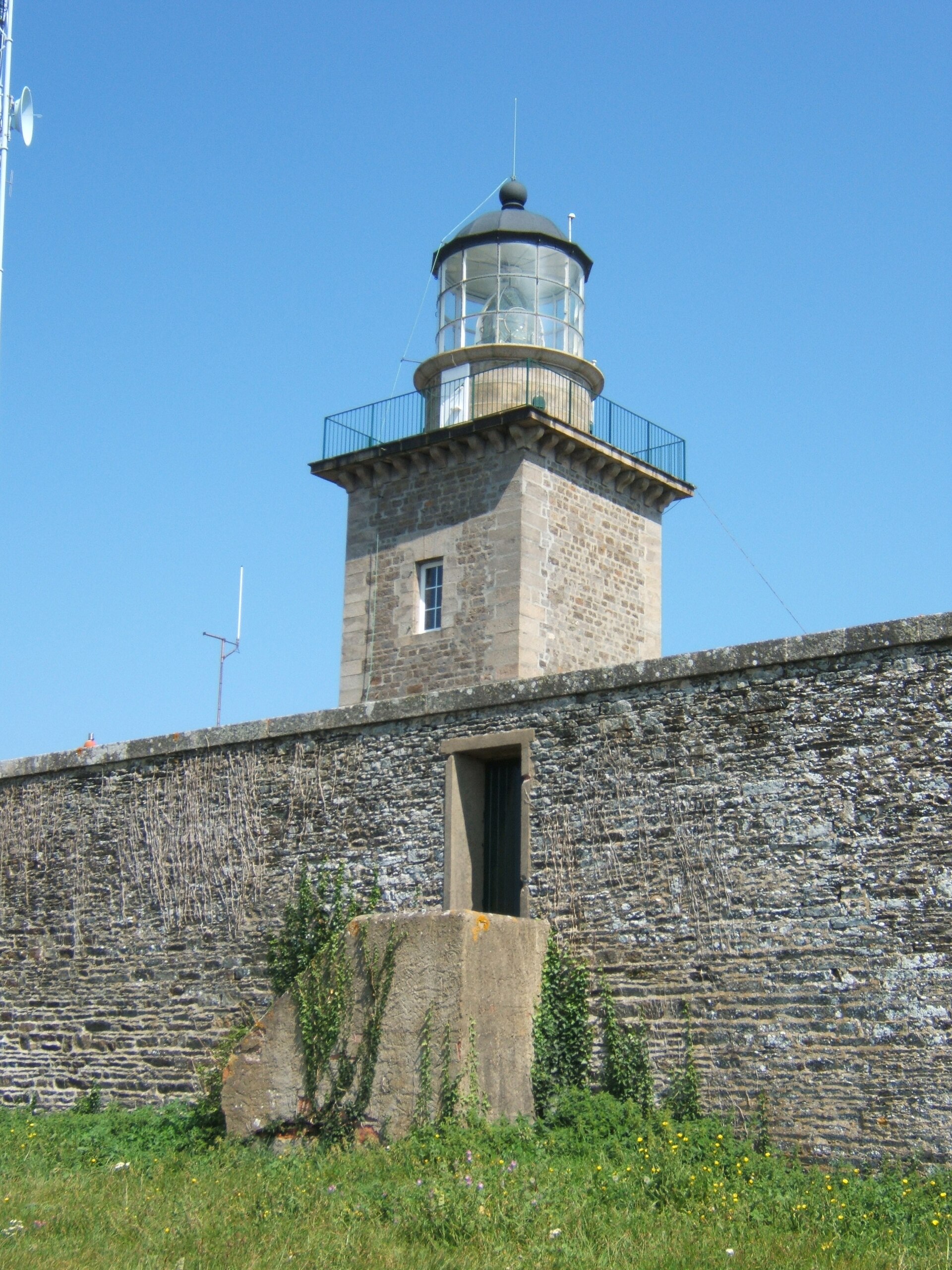
Phare de Saint-Vaast-la-Hougue is a small white lighthouse standing at the end of a jetty in the harbour of Saint-Vaast-la-Hougue, a fishing town in the Manche department of Normandy. It's modest compared to the giant granite towers found elsewhere on the French coast, but its setting — directly across from the island of Tatihou, next to Vauban fortifications listed as UNESCO World Heritage — makes it one of the more rewarding stops on a walk around this harbour town.
How do you get there?
Saint-Vaast-la-Hougue sits on the eastern shore of the Cotentin peninsula, roughly 30 kilometres from Cherbourg and under an hour's drive from Valognes or Carentan. Arriving by car is the most practical option; in summer the town centre gets busy, so it's worth parking near the harbour and continuing on foot. The lighthouse stands at the tip of one of the two jetties enclosing the harbour basin, so a walk along the quay leads straight to it. This is also the best way to take in the view across to Tatihou island and the Vauban tower (Tour de la Hougue) on the opposite side of the bay.
What will you see there?
The lighthouse is a small octagonal tower built of cast iron and iron, painted white, standing about 11 metres tall. Though it's a metal structure rather than the stone giants found elsewhere on the French coast, its elegant eight-sided profile is typical of lighthouses built in the second half of the 19th century. The focal height of the light is 12 metres above sea level, and its nominal range is around 10 nautical miles — enough to guide fishing boats and yachts safely into port after dark. Its fixed red light (steady, not flashing) sets it apart from the other navigational marks along this stretch of coast.
It's worth pairing a visit to the lighthouse with a walk along the quay, which offers views over the oyster beds — Saint-Vaast is well known for its oyster farming — and the fishing boats moored in the harbour. From the same spot you get a clear view of Tatihou island, reached in summer by an amphibious shuttle boat, and of the Vauban defensive tower, part of the fortification network inscribed on the UNESCO World Heritage list in 2008 under "Fortifications of Vauban."
A bit of history
The first light at this spot dates back to 1850, a provisional lantern mounted on a wooden gallows-like frame set up on the jetty. The current metal tower was built fifteen years later: the light was first lit on 25 July 1865. The lighthouse's design is credited to Léonce Reynaud, a prominent French engineer and architect involved in expanding France's maritime signalling system during the 19th century, while the metal structure itself was most likely built by Sautter et Lemonnier, a firm that specialised in lighthouse construction and lighting equipment at the time.
When should you visit?
The best time to visit runs from late spring to early autumn, when the weather suits a stroll along the quay and boat trips to Tatihou are running. In summer the town is at its liveliest, with local restaurants serving fresh seafood and a harbourside market selling oysters straight from the beds. In autumn and winter, Saint-Vaast is quieter, but it's precisely then that the lighthouse and its steady red light best capture the raw, Atlantic character of this coastline.
Frequently asked questions
Can you go inside the lighthouse? No, it's a small, automated lighthouse with no visitor access — it's best viewed from outside, on a walk along the jetty.
How old is the current structure? The current metal tower has been in service since 25 July 1865, although the first, provisional light at this spot was installed back in 1850.
What else is worth seeing nearby? Tatihou island with its fort, and the Vauban tower (Tour de la Hougue) — both part of the UNESCO-listed Vauban fortifications, reachable in summer by an amphibious shuttle boat from the harbour.
Is the lighthouse easy to spot from the harbour? Yes, it stands at the end of one of the jetties enclosing the harbour basin, so it's visible from almost anywhere along the quay, its white octagonal shape standing out clearly against the sea.
Nearby places

Earn badges for the places you visit
Download NextOnTrip, discover new places and check off your trails.