About this place
Patio de la Infanta is a Renaissance courtyard in the heart of Zaragoza, now built into the headquarters of the Ibercaja bank on Calle San Ignacio de Loyola. Considered one of the finest surviving examples of Aragonese Renaissance architecture, it has survived the demolition of its original palace, a journey to Paris, and an eventual return home.
Where did this courtyard come from?
The patio was built in the mid-16th century as the centerpiece of the Casa Zaporta palace, commissioned by Gabriel Zaporta, a wealthy Zaragoza merchant and banker of converso Jewish descent who lent money to Emperor Charles V himself. The palace was raised as a wedding gift for Zaporta's wife, Sabina de Santángel, and was meant to showcase the family's wealth and standing in the city.
What makes the courtyard architecturally significant?
The layout follows the classic model of an Aragonese Renaissance palace: two stories arranged around a rectangular courtyard. The ground floor is plain, with straight lintels above the openings, while the upper floor opens onto a gallery carried on alabaster columns crowned with semicircular arches. The richness of the carved decoration and the precision of the stonework made the patio a reference point for other Aragonese palaces built afterward.
Why is it called "Patio de la Infanta"?
The name has nothing to do with the original owners. It came into use in the 19th century in memory of María Teresa de Vallabriga, wife of Infante Don Luis de Borbón, brother of King Charles III. The couple lived in the building in exile during the final years of the 18th century, up until 1820. The site has been known by her title ever since, even though the courtyard itself was built more than two centuries earlier.
How did the courtyard survive to the present day?
The patio's 20th-century history is as eventful as its origins. The Casa Zaporta palace burned down in a fire in the late 19th century, and the decision was made to demolish the ruins in 1903. The courtyard itself was rescued, but in 1904 a French antiques dealer, Ferdinand Schultz, bought it, dismantled it stone by stone, and shipped it to Paris. It was not until 1958 that Caja de Ahorros y Monte de Piedad de Zaragoza, Aragón y La Rioja — the savings bank that would later become Ibercaja — purchased the courtyard and brought it back to Zaragoza. Its pieces were reassembled inside the bank's headquarters, where they still stand today.
What can visitors see at the Patio de la Infanta today?
The courtyard forms part of the exhibition space run by Fundación Ibercaja and now serves as a gallery and venue for the foundation's cultural events. Visitors can view the original 16th-century columns, arches, and carved stonework up close, and there is no need to book a separate ticket for the monument itself — simply enter the bank building during the gallery's opening hours.
Frequently asked questions
Is Patio de la Infanta a stand-alone building? No. The courtyard is now an integral part of the interior of the Ibercaja bank headquarters and is not a freestanding structure on the city map.
Why does the name reference an "infanta" if the courtyard was built by a merchant? Because the name dates from much later than the construction — it honors María Teresa de Vallabriga, who lived there in exile at the turn of the 18th and 19th centuries, not the original patrons who commissioned the building.
Does the original Casa Zaporta palace still exist? No, it was demolished in 1903 after a fire. Only the interior courtyard survived, and it was later moved and reassembled at a different site.
Is there an entrance fee for the courtyard? The courtyard sits within the publicly accessible part of the bank building managed by Fundación Ibercaja, so visiting typically requires no separate ticket — it's worth checking current opening hours before you go.
Nearby places
-

Monument to the Spanish Constitution of 1978, Zaragoza
Saragossa
-
Monumento a los defensores del reducto del Pilar
Saragossa
-
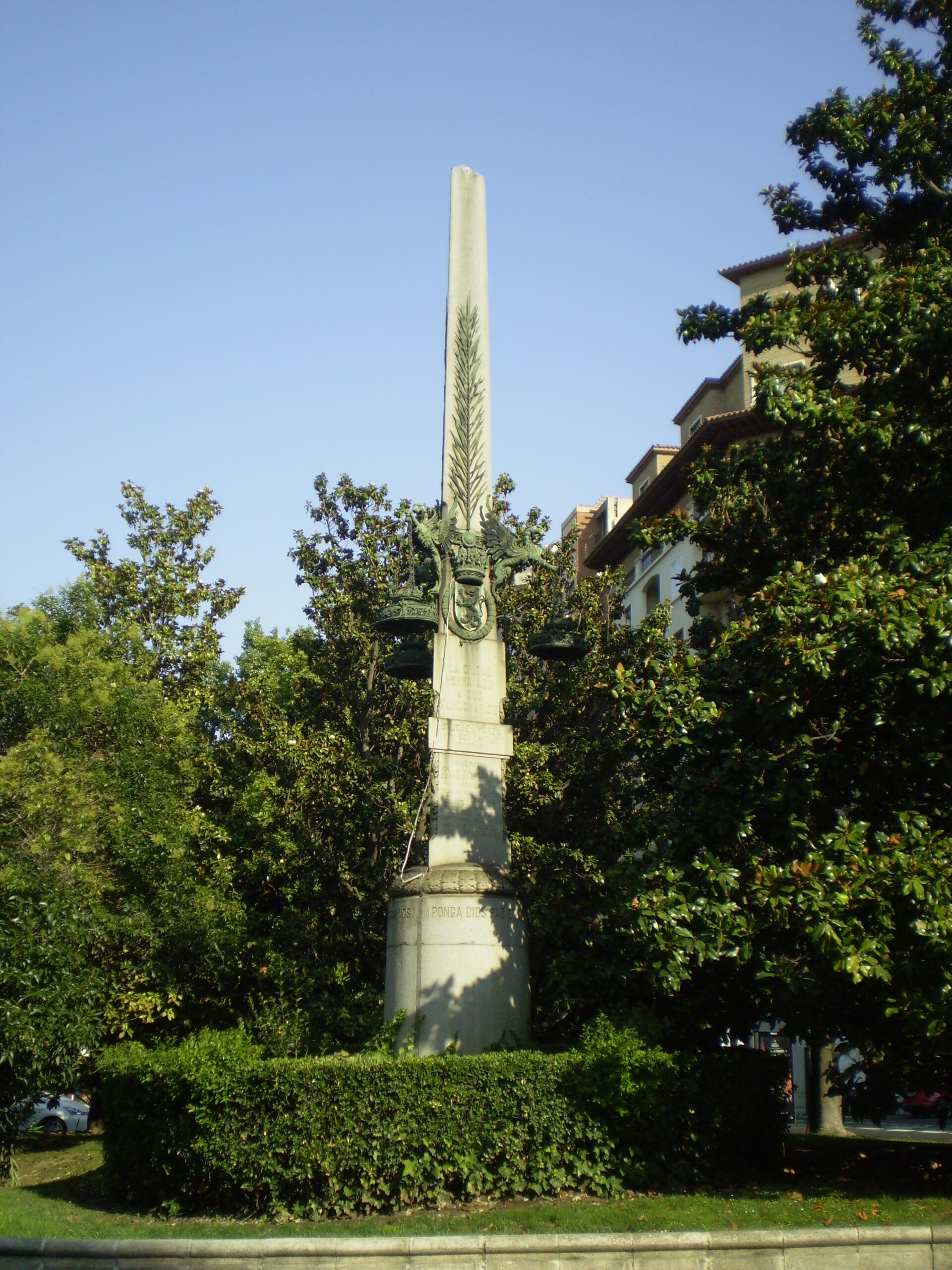
La ciudad honra a sus funcionarios
Zaragoza
-
Monument to the victims of the Coronavirus, Zaragoza
Saragossa
-
Monument to Joaquín Costa
Saragossa
-
Monumento a las víctimas del Yak-42, Zaragoza
Saragossa
Earn badges for the places you visit
Download NextOnTrip, discover new places and check off your trails.