About this place
Park van Beervelde is a 19th-century landscape park in the village of Beervelde, now part of the municipality of Lochristi in East Flanders, Belgium. Covering roughly 25 hectares, it has been listed as a protected monument since 1995.
How did this park come to exist?
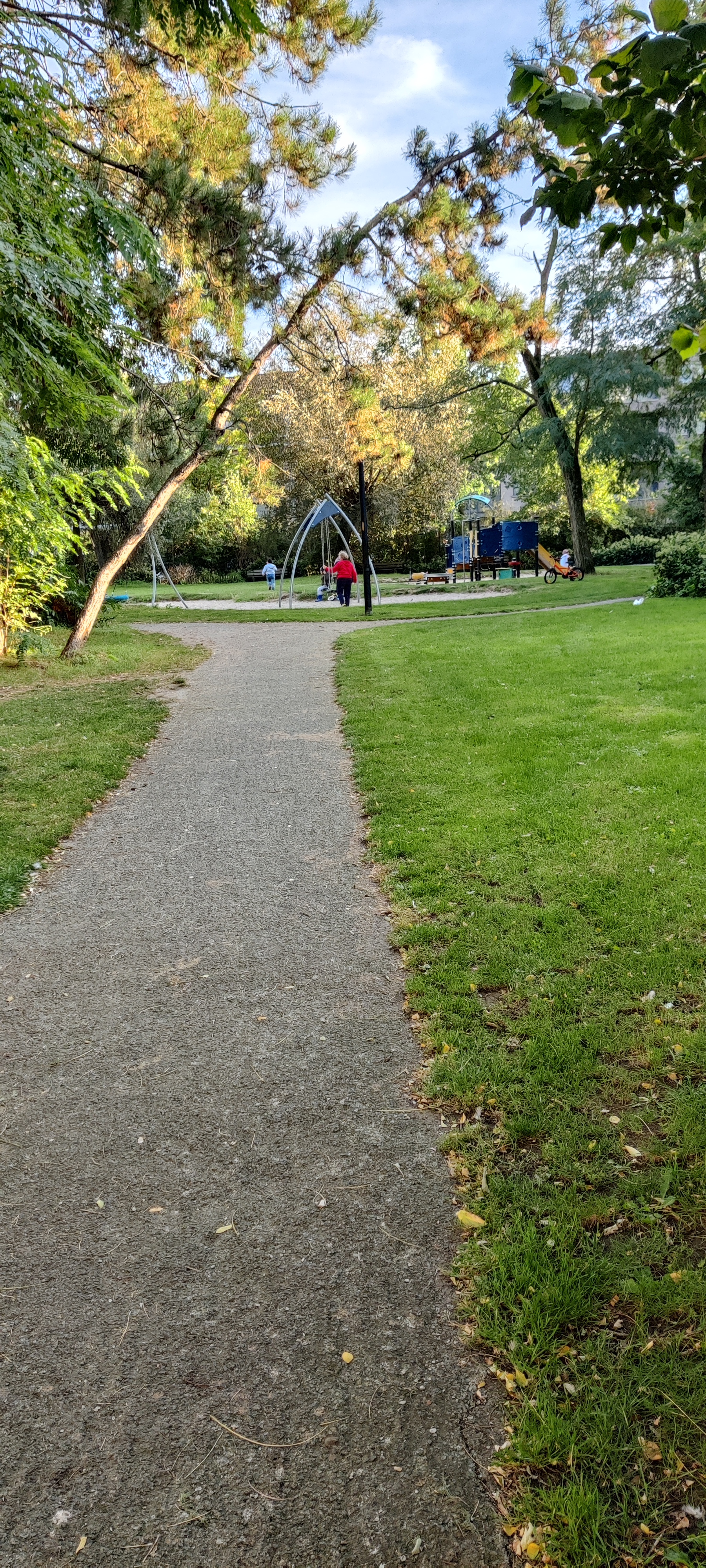
The estate's story goes back to the late 18th century, when it was acquired by Thérèse Amelot as a country retreat. Since 1873, the land and its buildings have remained continuously in the hands of a single family, the de Kerchove de Denterghem. It was for this family that landscape architect Louis Fuchs laid out the park in the English style, favouring gently curving paths, open lawns dissolving into clusters of mature trees, and ponds set into the natural fall of the land so that views unfold gradually rather than all at once.
What happened to the castle?
The original Beervelde castle did not survive in its historic form. During the Second World War the building was occupied by German forces, which took a toll on its condition. The war damage, combined with the high cost of upkeep, proved too much, and in 1946 the decision was made to demolish the old residence. Around 1950 a villa was built on the same foundations, and it still stands there today. Its cellars house murals by two well-known Belgian artists, Roger Raveel and Raoul De Keyser, making the site notable for admirers of post-war art as well as garden visitors.
Can visitors explore the park?
The estate is still managed by the founding family, currently Count Renaud de Kerchove de Denterghem. The park is not open to the public year-round; twice a season, in May and in October, it hosts the so-called Beervelde garden days (Tuindagen van Beervelde), when the grounds are opened to a wider audience. The event draws garden and landscape enthusiasts from across Belgium, since access to the estate is otherwise restricted.
Why is it worth a visit?
Park van Beervelde offers a well-preserved example of 19th-century English-style landscape gardening, a rarer sight in this part of Flanders in such a complete form. The combination of a single family's stewardship spanning more than 150 years, traces of a wartime past, and contemporary art tucked away in the cellars of a post-war villa gives the place a layered story that goes beyond the greenery itself. For anyone exploring the area around Ghent, it pairs a walk among old trees with a lesson in local history.
Frequently asked questions
Is the park open all year? No — full access is only guaranteed during the twice-yearly garden days, held in May and October.
How large is the park? About 25 hectares.
Is the original castle still standing? No, it was demolished in 1946 after wartime damage; the current villa dates from around 1950.
Who designed the park? Landscape architect Louis Fuchs, commissioned by the de Kerchove de Denterghem family.
Is there anything to see besides the grounds themselves? Yes, the villa's cellars contain murals by Roger Raveel and Raoul De Keyser.
Nearby places

Earn badges for the places you visit
Download NextOnTrip, discover new places and check off your trails.