About this place
Bijgaardepark is a green space in the Sint-Amandsberg district of Ghent, close to Dampoort railway station, that brings together nature and the memory of the site's industrial past. Covering roughly 2.5 hectares, the park sits on ground with an unusually long history, one that stretches back to the Middle Ages.
Where does the park's name come from?
The name "Bijgaardepark" refers to a former "bijengaard," or apiary, that belonged to Saint Bavo's Abbey. From the 13th to the 16th century, an orchard stood here where monks kept bees and harvested precious honey. This monastic, agricultural origin is preserved in the park's name today, even though the landscape has changed dramatically since then.
How did an orchard become a factory?
After centuries of agricultural use, the site shifted toward industry. A metal-processing plant belonging to the company Malmar was built here and operated until 1997, shaping the character of this part of Sint-Amandsberg for more than a century. Once the factory closed, its buildings sat deteriorating for over twenty years, turning into an abandoned, forgotten spot in the middle of a densely populated neighborhood.
What does Bijgaardepark offer today?
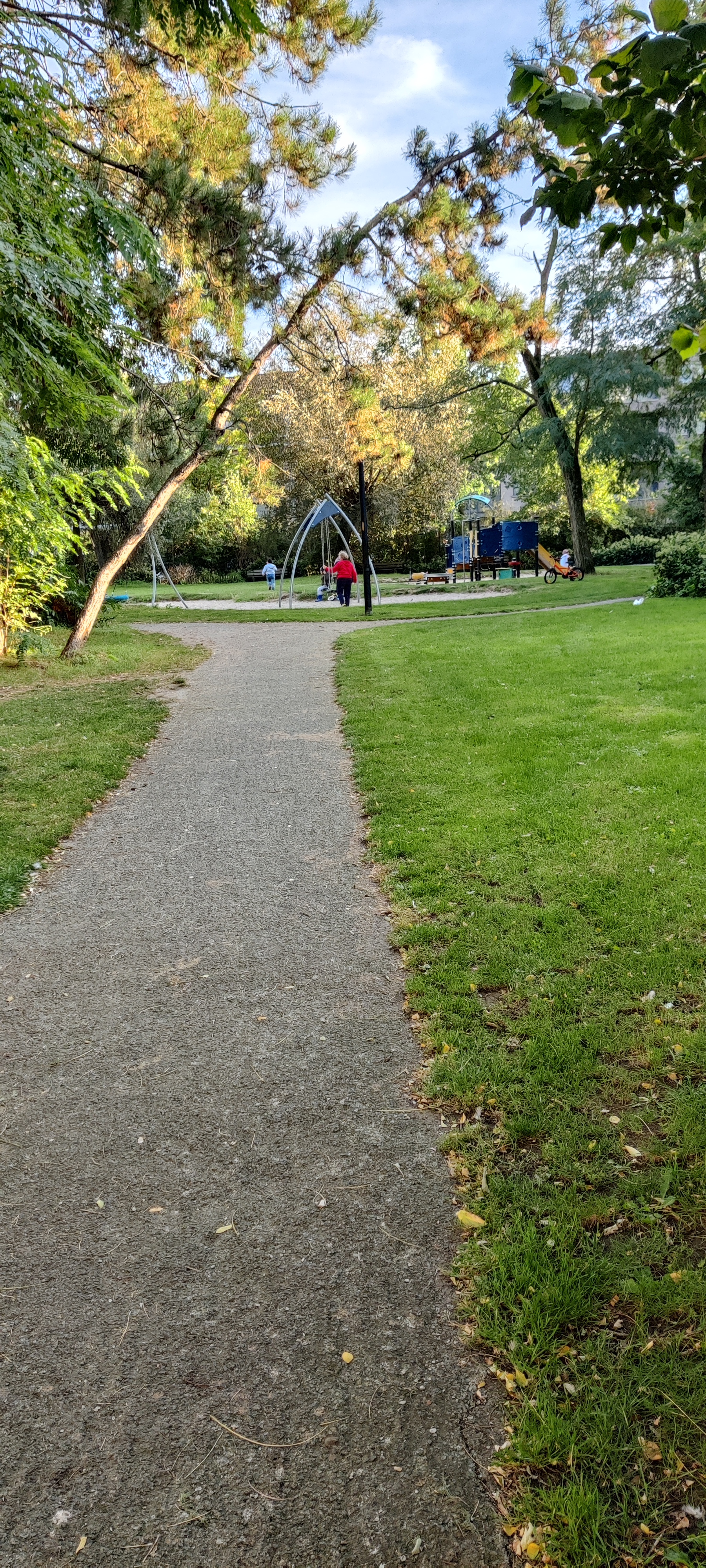
The modern park is designed as an adventurous landscape, with wooded areas, flower meadows, open grasslands, and play zones suited to different ages. Younger children will find a small train near the entrance on Forelstraat and a playground in the park's central area. Older children can explore play woods, including one built around a tree house. A large hill acts as both a play and hangout spot and as a viewpoint over the park.
What makes the site particularly interesting is what happens within the old factory walls. Rather than demolishing the industrial remains, the park's designers incorporated them into the landscape — today the space houses a fern garden and a vegetable garden. The cellars of the former factory now shelter a protected colony of bats, making the park an important spot for local biodiversity as well.
Why was the park expanded in 2021?
In 2021, Bijgaardepark was enlarged by 2,000 square meters. The expansion also created new meeting spaces for residents, responding to the growing need for green space in this densely built district. The redesign was well received and was nominated for a public space award, underlining the quality of the landscape and architectural choices made on the site.
Why visit Bijgaardepark?
Bijgaardepark is a rare example of a place where agricultural history, industrial heritage, and contemporary care for nature meet in a single space. Visitors can enjoy the calm of greenery, spot traces of the old factory woven into the landscape, and make use of thoughtful facilities for both children and adults. It shows how a former industrial site can be turned into a valuable public space while still keeping its past visible.
Frequently asked questions
Where exactly is Bijgaardepark located? The park is located in the Sint-Amandsberg district of Ghent, close to Dampoort railway station.
Are there playgrounds for children? Yes, the park has play zones for different age groups, from a small train and playground near the Forelstraat entrance to play woods with a tree house for older children.
What remains from the former factory? Within the old factory walls you'll find a fern garden and a vegetable garden, and a protected colony of bats lives in the cellars.
How large is the park? Bijgaardepark covers about 2.5 hectares, following a 2021 expansion that added 2,000 square meters.
Nearby places

Earn badges for the places you visit
Download NextOnTrip, discover new places and check off your trails.