About this place
Plitvice Lakes National Park is Croatia's best-known national park, and the village of Plitvički Ljeskovac sits right at its edge, making it a practical base for visitors. The park lies in the central part of the country, roughly 140 km from Zagreb and close to the eastern border with Bosnia and Herzegovina. It was established in 1949, making it one of the oldest national parks in this part of Europe.
What is there to see inside the park?
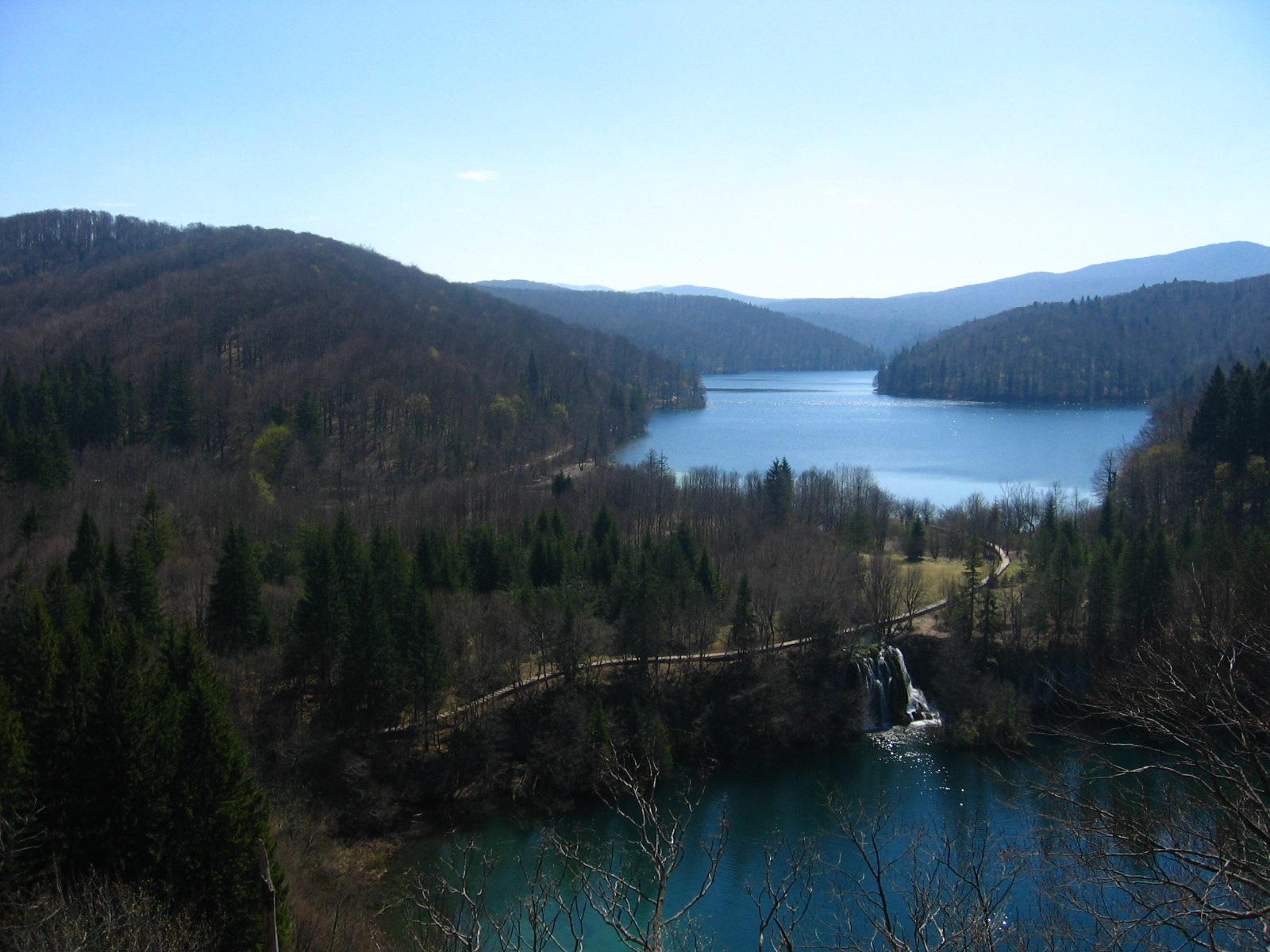
The park's main draw is a chain of 16 karst lakes linked by numerous waterfalls and cascades. Water moves between the basins over natural barriers built from travertine (tufa), a mineral deposit that keeps forming and reshaping the terraces the cascades tumble over. The lakes split into two groups — the Upper Lakes and the Lower Lakes — arranged in a stepped, cascading sequence where water spills gradually from the higher basins down to the ones below.
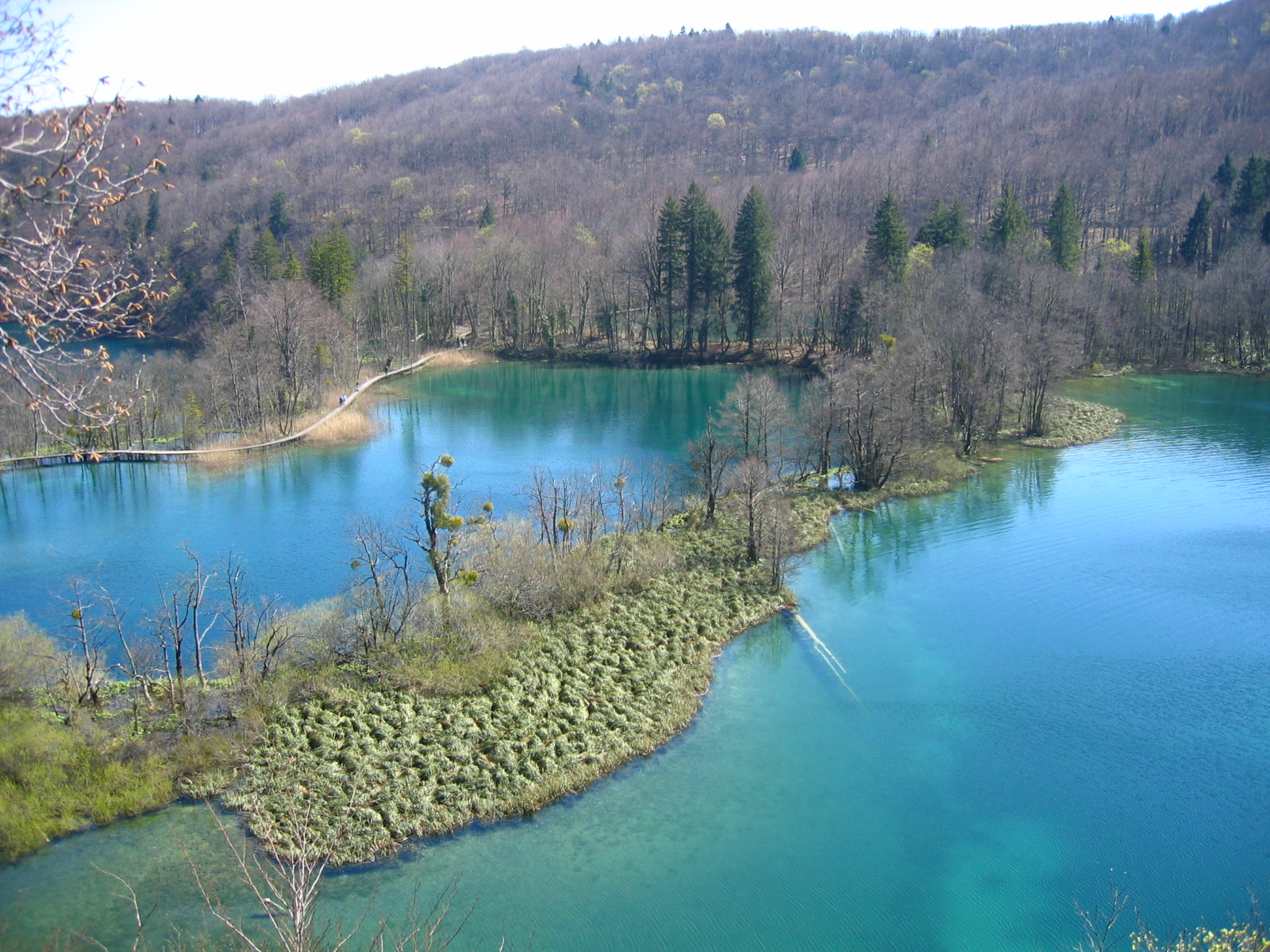
The color of the water shifts with the time of day, the angle of sunlight, and the mineral and microorganism content, ranging from turquoise to emerald to deep blue. Dense forest surrounds the lakes and shelters a number of rare plant and animal species, including brown bears, though actual sightings are uncommon since the animals tend to avoid visitor areas.
How do you get there?
Plitvički Ljeskovac sits right next to one of the park's entrances, which saves travel time on the days you actually visit. Driving is the most convenient way to reach the park — the route connecting Zagreb and Split passes nearby, so the trip from either city typically takes a little over two hours. Long-distance buses also stop at the main park entrances, a practical option for travelers without a car.
It's worth knowing that the park has several numbered entrances, and which one you use affects which section of the lakes you see first. Staying overnight in a nearby village such as Plitvički Ljeskovac makes it easy to enter early in the morning before the tour groups arrive.
When is the best time to visit?
The park is scenic year-round, but each season offers something different. In spring and summer, lush green forest contrasts with the intense blue of the lakes, and the waterfalls run fullest thanks to snowmelt and rainfall. Autumn brings quieter crowds and colorful foliage. In winter, some trails may close due to ice, but frozen cascades and snow create a striking, much quieter landscape. Crowds peak in July and August, so visiting outside the summer holidays or arriving early in the morning is worth considering.
How much time should you plan?
Covering both lake groups, including the boat crossing and the panoramic trains that run inside the park, usually takes about 4 to 6 hours. If time is tight, you can focus on a single route — a shorter one through the Lower Lakes, or a longer one that also takes in the Upper Lakes and the park's tallest waterfall.
Frequently asked questions
Is there accommodation near the park in Plitvički Ljeskovac? Yes, the village offers private rooms and guesthouses a short distance from one of the park entrances, making an early start easy.
Do you need to book tickets in advance? During summer, daily ticket numbers are capped, so booking online ahead of time is advisable, especially for July and August.
Are the trails suitable for children or older visitors? The shorter routes through the Lower Lakes run mostly on flat wooden boardwalks and are accessible to most visitors, while the longer routes include sections that require better stamina.
Can you swim in the lakes? No, swimming is prohibited to protect the ecosystem and keep the water clean.
Nearby places

Earn badges for the places you visit
Download NextOnTrip, discover new places and check off your trails.