About this place
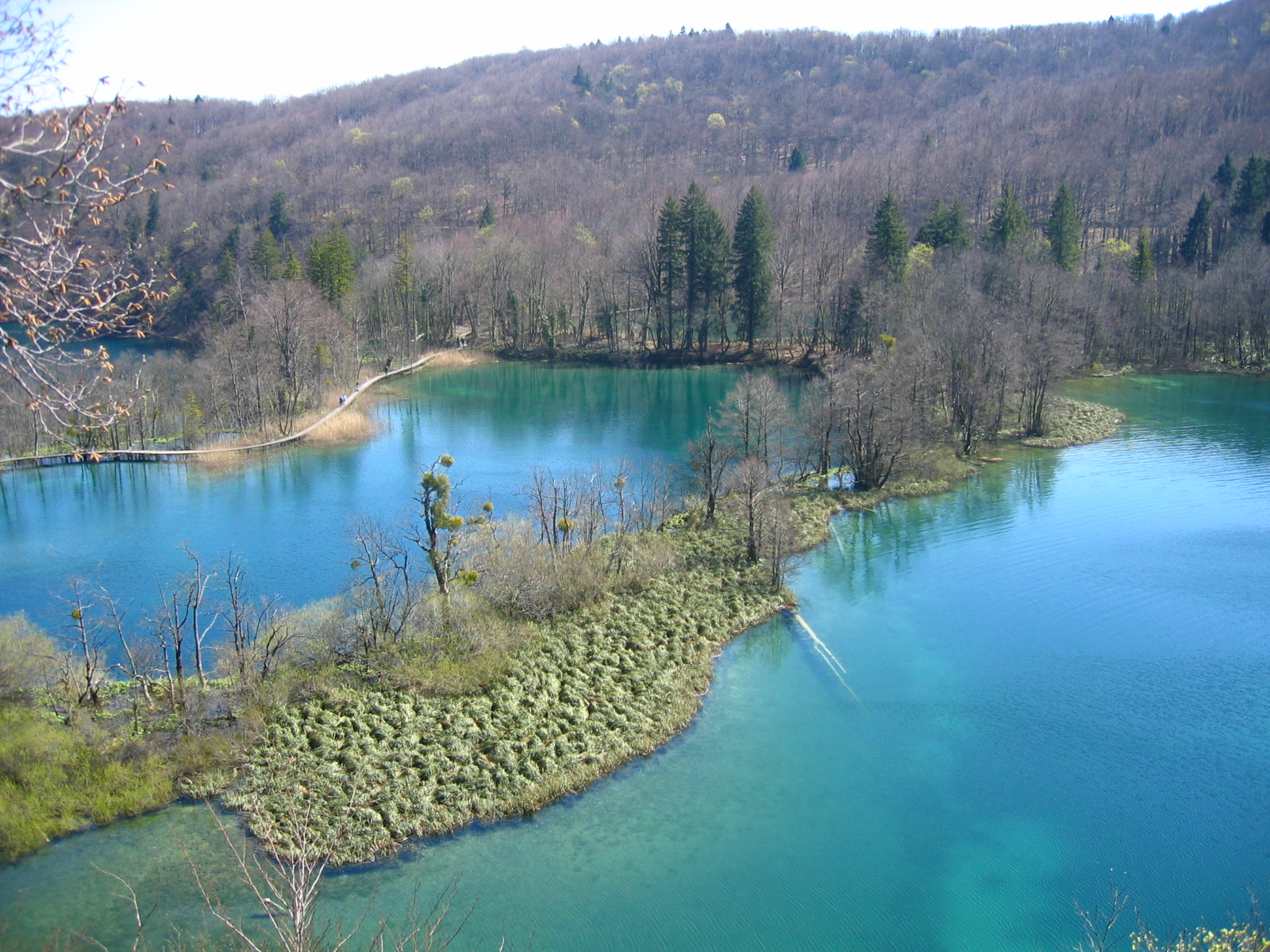
Ciginovac is one of the Upper Lakes in Plitvice Lakes National Park, Croatia, lying immediately below Prošćansko Lake, the largest in the whole system. It is the second-highest lake in the entire sixteen-lake chain, sitting at 626 meters above sea level. Ciginovac covers just over 7 hectares and reaches a maximum depth of 11 meters, and its water carries a distinctive dark green tint, setting it apart from the turquoise lakes further downstream.
How do you get to Ciginovac?
The lake sits on the walking route connecting the Upper Lakes, just past Prošćansko Lake, reached heading south from Entrance 1 (Ulazak 1). The park's marked trails run along its shore on wooden boardwalks and footpaths. There is no separate parking area or entrance for Ciginovac itself — access is only possible as part of a visit to the wider Upper Lakes loop, after buying a ticket to the national park. The nearby village of Plitvički Ljeskovac serves as one of the gateway settlements for park visitors.
What will you see at Ciginovac?
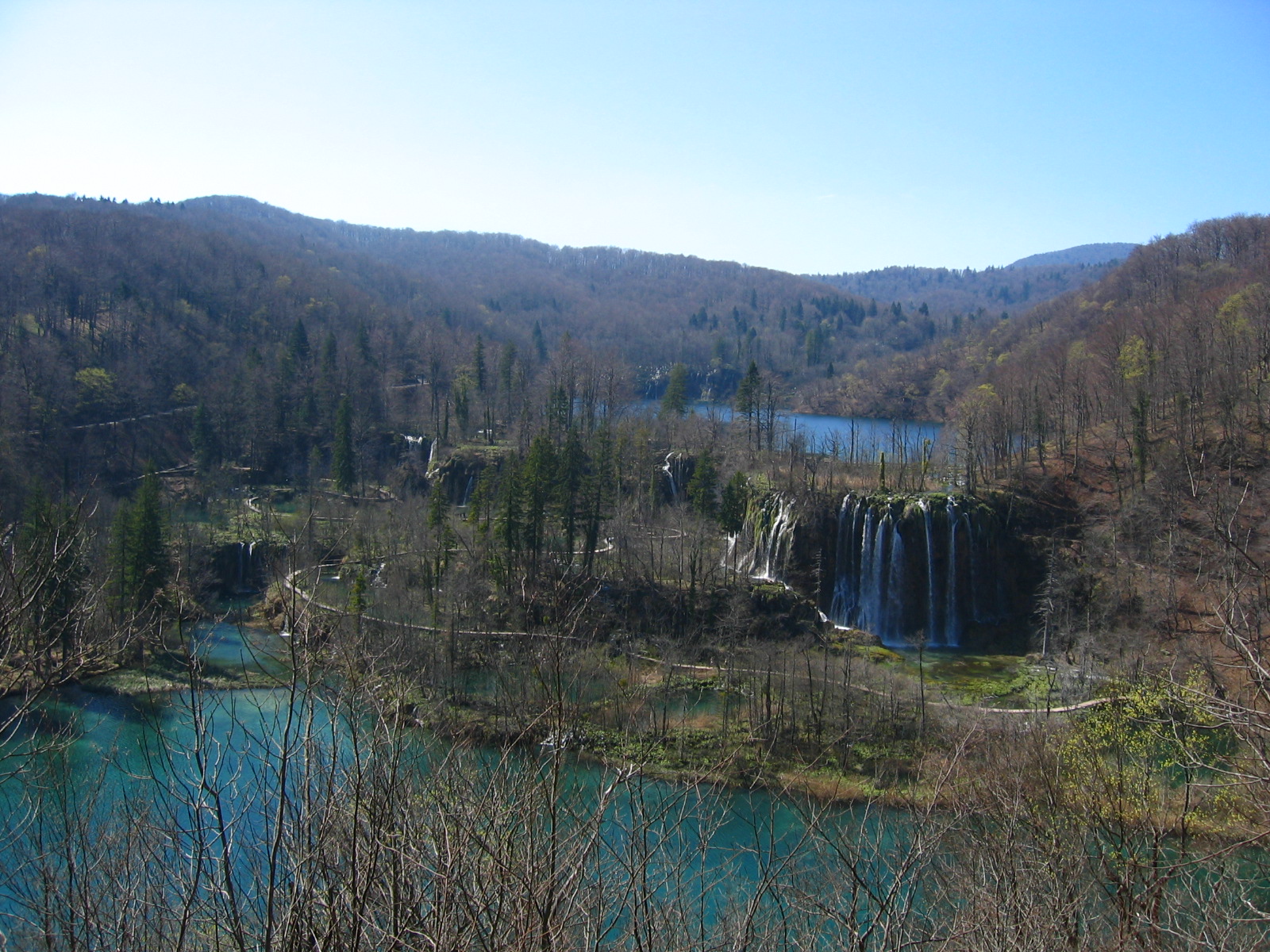
The main highlight along this stretch of the trail is a natural travertine barrier called Labudovačka barijera (also known as the Delta), which separates Ciginovac from Prošćansko Lake above it. The lake is fed by water carried through a canal cut across the Labudovac plateau, flowing down from Prošćansko. In the lake's south-eastern section, look out for collapsed travertine blocks — visible evidence of the ongoing natural process by which these limestone barriers form, shift, and break apart across the whole park. At the far end of the lake, another barrier lets the water continue downstream into the lower-lying Okrugljak Lake.
The name Ciginovac (also seen as Ciganovac or Cigino jezero) comes from the Croatian word "cigan," meaning Roma. The lake is one of twelve Upper Lakes in the system, alongside Prošćansko, Okrugljak, Batinovac, Veliko, Malo, Vir, Galovac, Milino, Gradinsko, Veliki Burget, and Kozjak.
When is the best time to visit?
The Upper Lakes, including Ciginovac, are best visited in spring and early summer, when water levels are high and the cascades between the lakes are at their most dramatic. Autumn brings golden foliage reflected across the water's surface. In winter, trails in this part of the park are sometimes closed or restricted due to snow and ice on the boardwalks, so it's worth checking the current trail status before heading out. Because this area draws large numbers of visitors, arriving early in the morning helps you avoid crowds on the narrow wooden walkways.
Frequently asked questions
Can you drive to Ciginovac? No. The lake lies deep within the national park and can only be reached on foot, along the marked hiking trails, after entering through one of the park's gates.
Can you swim in Ciginovac? No, swimming is prohibited in all the lakes of Plitvice Lakes National Park to protect the unique ecosystem and the ongoing travertine-forming process.
How long does it take to walk to Ciginovac from the main entrance? Depending on the route and pace, walking from Entrance 1 to Ciginovac usually takes between 20 and 40 minutes, including stops for photos.
What makes Ciginovac different from the other Upper Lakes? Its dark green water and the visible collapsed travertine blocks in its south-eastern section stand out, as does its position right next to Prošćansko, the largest lake in the system.
Nearby places

Earn badges for the places you visit
Download NextOnTrip, discover new places and check off your trails.