About this place
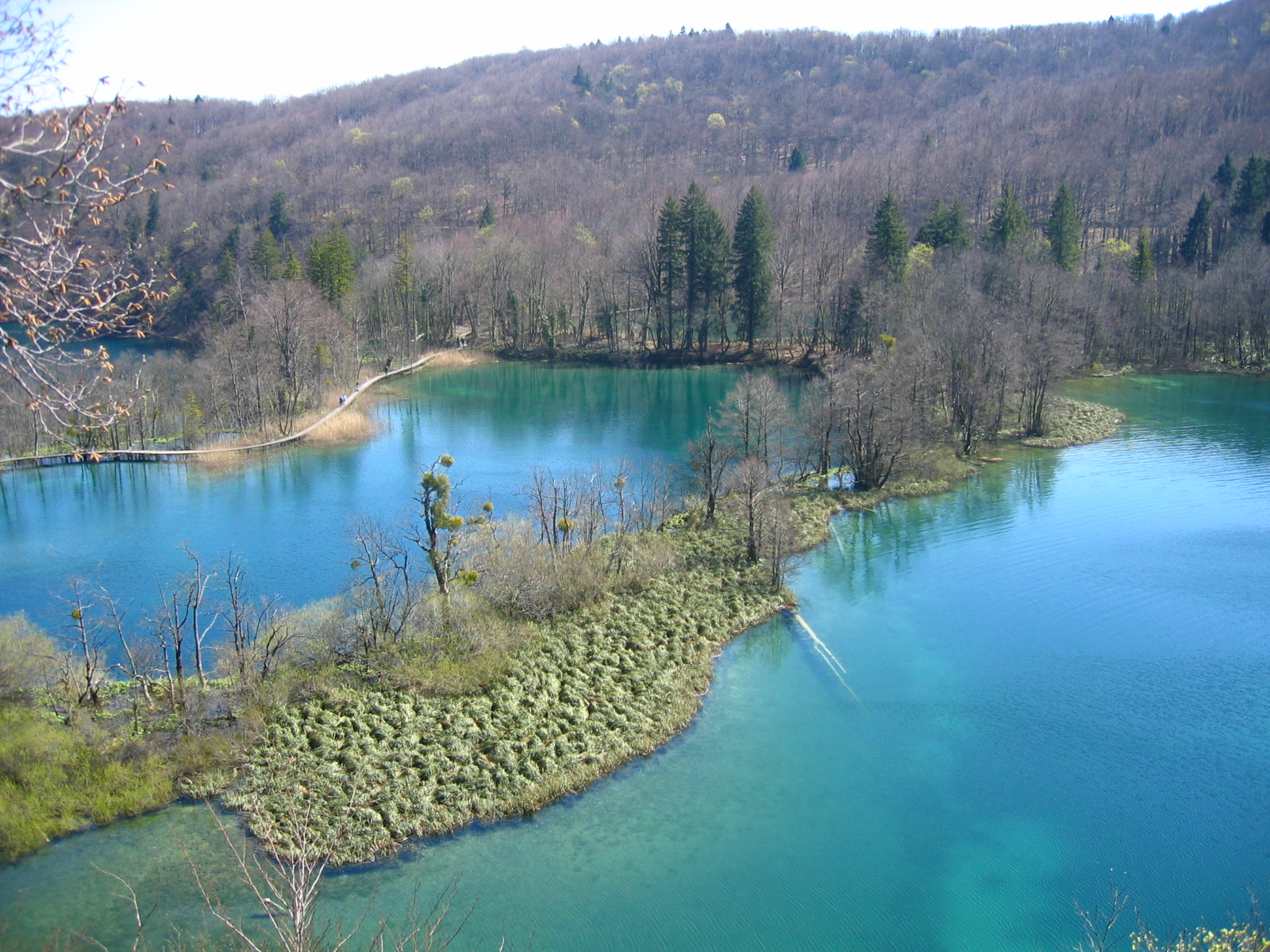
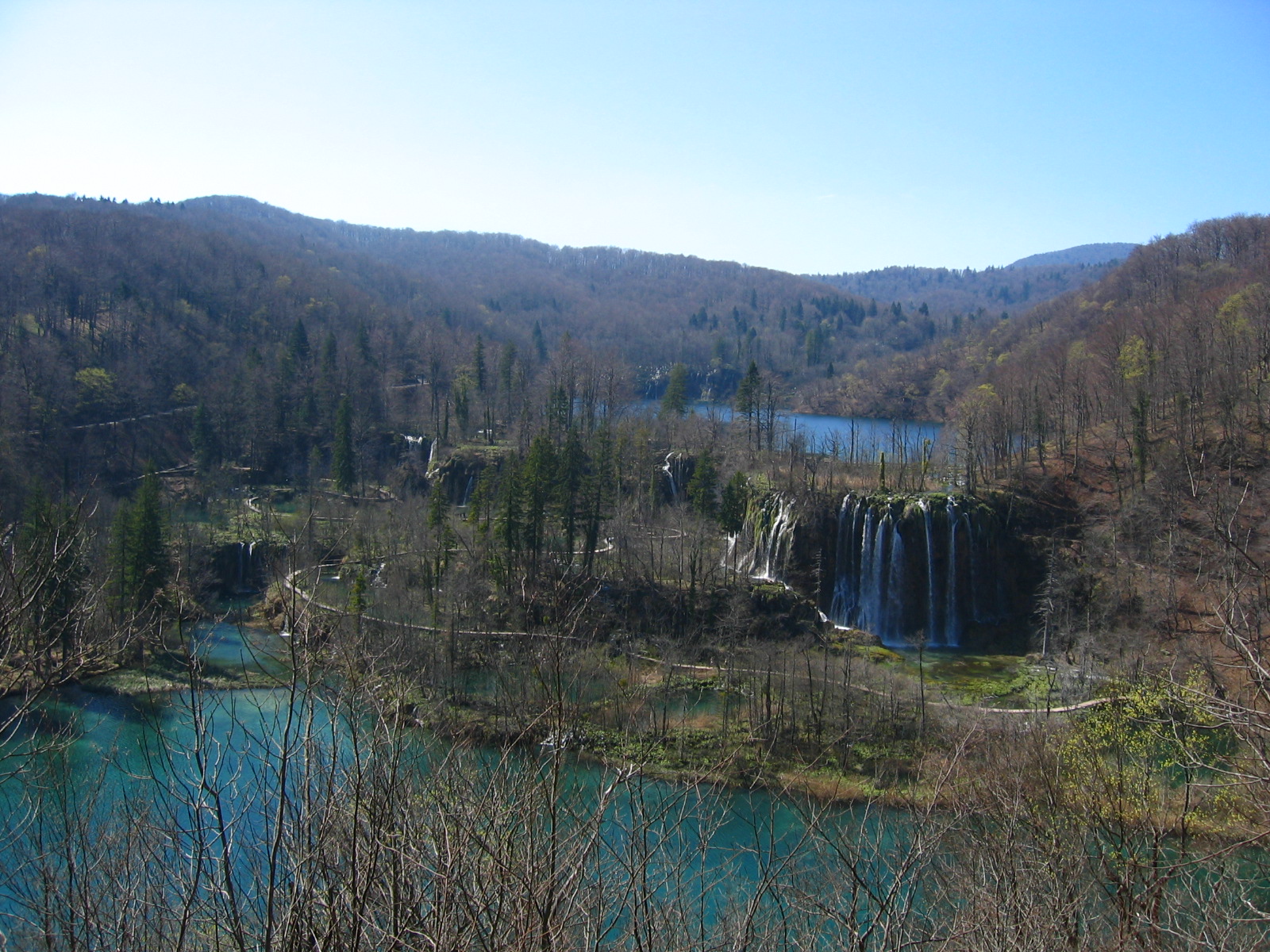
Malo jezero (Small Lake) is one of the Upper Lakes in Plitvice Lakes National Park in Croatia, a UNESCO World Heritage Site since 1979. Despite its name meaning "small lake," it forms an essential link in the chain of sixteen lakes that cascade into one another across a stretch of more than 5,460 meters.
Where exactly is Malo jezero located?
Malo jezero sits within the Upper Lakes group, between Veliko jezero (Large Lake) and Lake Vir. It lies at an altitude of roughly 604 meters above sea level, making it the sixth-highest lake in the entire system. Its neighbor Veliko jezero sits slightly higher at 607 meters, while Vir — the next lake downstream — sits lower at 598 meters. This gradual drop in elevation is exactly why the water flowing between the lakes forms so many small cascades and rapids along the way.
How big is this lake?
Despite what its name suggests, Malo jezero isn't the smallest body of water in the park — that title belongs to neighboring Vir. Malo jezero covers just over 1 hectare, stretches around 146 meters in length, and reaches a maximum width of about 80 meters. Its depth reaches 9.5 meters, which is notably deep for such a modest surface area — deeper, in fact, than the adjacent Veliko jezero, which maxes out at 8 meters.
What is there to see around Malo jezero?
The Upper Lakes, which include Malo jezero, differ from the Lower Lakes in both geology and appearance. They sit on dolomite rock rather than limestone, giving their shorelines a gentler, more sprawling shape compared to the dramatic, narrow limestone canyons found further downstream. The water here carries the same striking turquoise-green hue the park is famous for, and the heavily indented shoreline makes the lake feel like a series of small connected coves. Walking along the wooden footbridges that link the lakes, visitors can spot the natural travertine barriers separating one basin from the next — the very formations responsible for the park's cascading waterfalls.
How do you get to Malo jezero?
Plitvice Lakes National Park has two main entrances, Entrance 1 and Entrance 2. To reach the Upper Lakes area, including Malo jezero, Entrance 2 is generally the more convenient starting point, giving access to the marked hiking routes (labeled A through K) that follow the upper chain of lakes. Many of these routes combine walking with a ride on the panoramic tourist train or a boat crossing on Lake Kozjak, letting visitors cover more ground without excessive walking in a single day.
When is the best time to visit?
The park is open year-round, and each season shows off the lakes in a different light. Spring and summer bring the most vivid turquoise water and the strongest waterfalls, fed by melting snow and seasonal rain. Autumn wraps the surrounding forest in gold and copper tones, a favorite season among photographers. Winter can close some of the higher trails due to ice, but the frozen cascades create a rare, striking landscape that's worth the trade-off for those visiting outside peak season.
Frequently asked questions
Is Malo jezero the largest lake in the park? No — Malo jezero is actually one of the smaller lakes in the system, covering just over a hectare. The largest lake in the entire park is Lake Kozjak.
Can you swim in Malo jezero? No, swimming is prohibited in all the lakes of Plitvice Lakes National Park in order to protect the fragile ecosystem and the ongoing travertine-forming process.
How long does it take to see the area around Malo jezero? Passing by Malo jezero itself takes only a few minutes along the Upper Lakes trails, but exploring this whole section of the park properly, including several neighboring lakes, is best planned as a 2–3 hour visit.
Do I need to book tickets in advance? Yes, during the summer season it's advisable to book entry tickets online ahead of time, since daily visitor quotas can fill up quickly, especially around midday.
Nearby places

Earn badges for the places you visit
Download NextOnTrip, discover new places and check off your trails.