About this place
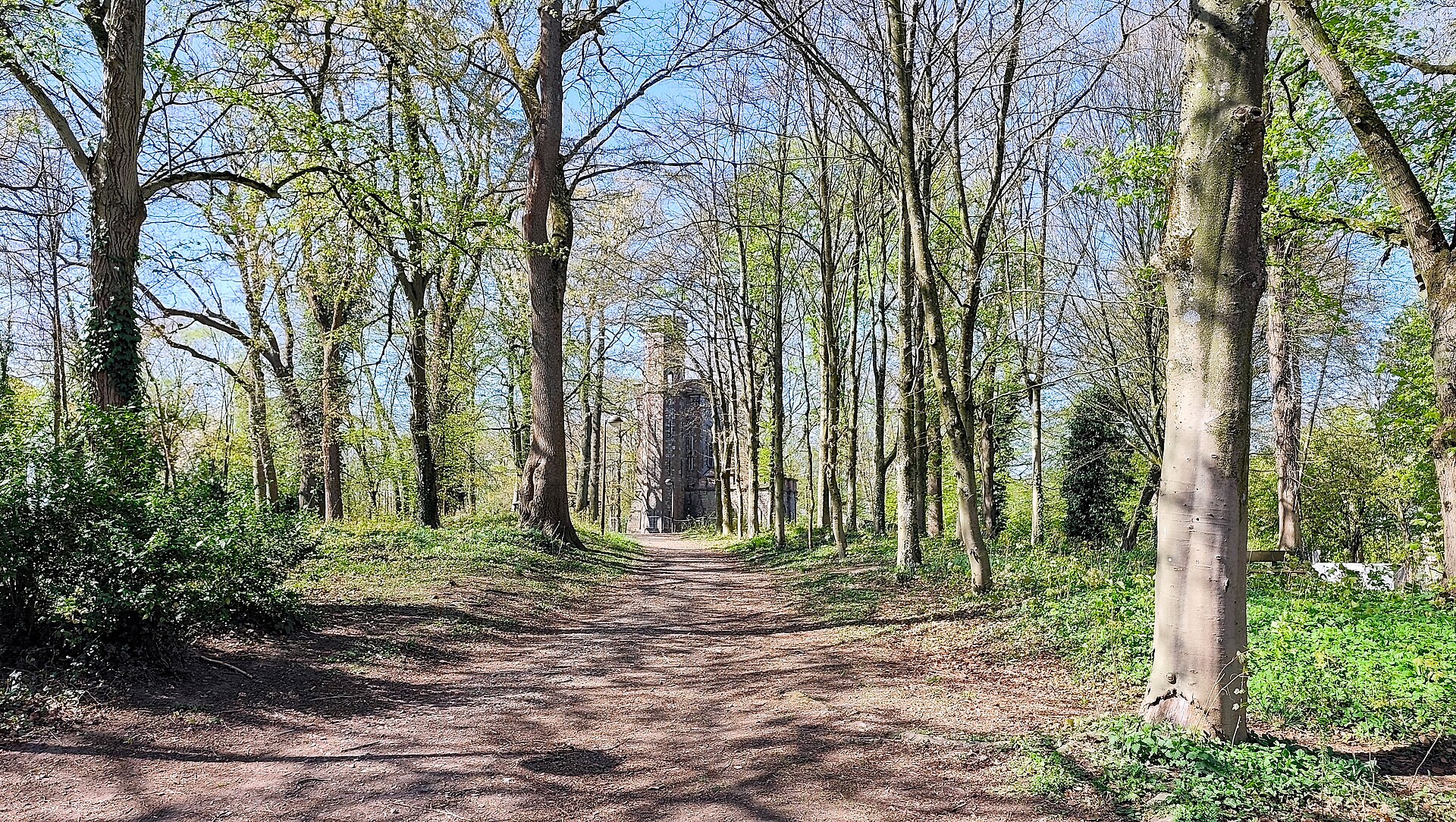
Parc de la Boverie is an urban park in Liège, spread across the island of Outremeuse, bordered on one side by the River Meuse and on the other by a diversion canal. It has been one of the city's favourite spots for a stroll since as early as the 14th century, though its present-day parkland form dates back to transformations carried out in the 19th century.
How did the park come to be?
The land along the Meuse served as a place of rest for the people of Liège for centuries, but it only began to resemble today's park in the second half of the 19th century. In 1874, G. Blonden decided to remove the booths, restaurants and animal cages that had previously stood on the site, replacing them with wide lawns and tree plantings. This gave rise to a park close to its current form, complemented by an acclimatisation garden (Jardin d'Acclimatation).
What can be found in the park?
Parc de la Boverie combines recreational, cultural and artistic elements across its grounds:
- A rose garden — an ornamental rosarium and one of the park's distinctive features.
- The Nicolas Schöffer Tower — a 52-metre cybernetic tower designed by French artist Nicolas Schöffer, regarded as one of the park's symbols.
- A modern pond, forming a water feature within the landscape.
- An aviary and numerous outdoor artworks scattered among the greenery.
- Sports and leisure spaces for visitors seeking more active pursuits.
- The Passerelle La Belle Liégeoise — a footbridge offering scenic views over the river and surroundings.
- The Palais des Congrès, a building whose long façade is reflected in the river, standing adjacent to the park.
Where does the La Boverie museum come from?
In 1905, the park hosted the Liège International Exposition (Exposition Universelle et Internationale de Liège), for which the grand Palais des Beaux-Arts was erected. The building has survived to this day and, after a thorough renovation, reopened its doors in May 2016 as the La Boverie museum. It combines the role of an international exhibition centre with that of a fine arts museum, showcasing both the historical collections of the City of Liège and contemporary creation. Its permanent collection includes works by artists such as Lambert Lombard, Gérard de Lairesse, Ingres, Gauguin, Chagall, Picasso, Evenepoel and Magritte.
Why is Parc de la Boverie worth a visit?
The park brings together several functions at once — it is a place for everyday walks for the people of Liège, a recreational space with gardens and a pond, and at the same time it sits right next to one of the region's most important art museums. Being bordered by water on two sides gives it a distinctive, island-like character rarely found in urban parks of comparable size.
Frequently asked questions
Where exactly is Parc de la Boverie located? The park lies on the island of Outremeuse in Liège, between the River Meuse and a diversion canal.
What is there to see in the park besides greenery? Notable features include the rose garden, the Nicolas Schöffer Tower, an aviary, and the La Boverie museum housed in the former Palais des Beaux-Arts.
When was the La Boverie museum established? The museum building was constructed for the 1905 international exposition, while the museum in its current form opened in May 2016 following renovation.
Can visitors do sports in the park? Yes, the park offers spaces dedicated to recreational and sporting activities for visitors.
Nearby places

Earn badges for the places you visit
Download NextOnTrip, discover new places and check off your trails.