About this place
Jardin botanique de Liège is a public park in the heart of Liège, in the former Bas-Laveu district, also known as the old botanical garden of the University of Liège. Today it functions mainly as a quiet green retreat, but its history stretches back to the early 19th century and is closely tied to the university's development.
How did the garden come to be?
The garden was founded in 1819, just two years after the University of Liège itself was established. It originally sat on the banks of the Meuse, roughly where Place Cockerill stands today, laid out by architect Jean-Noël Chevron. The riverside location soon proved impractical: the construction of infrastructure along the Meuse, including a towpath, steadily ate into the available space.
Why was it relocated?
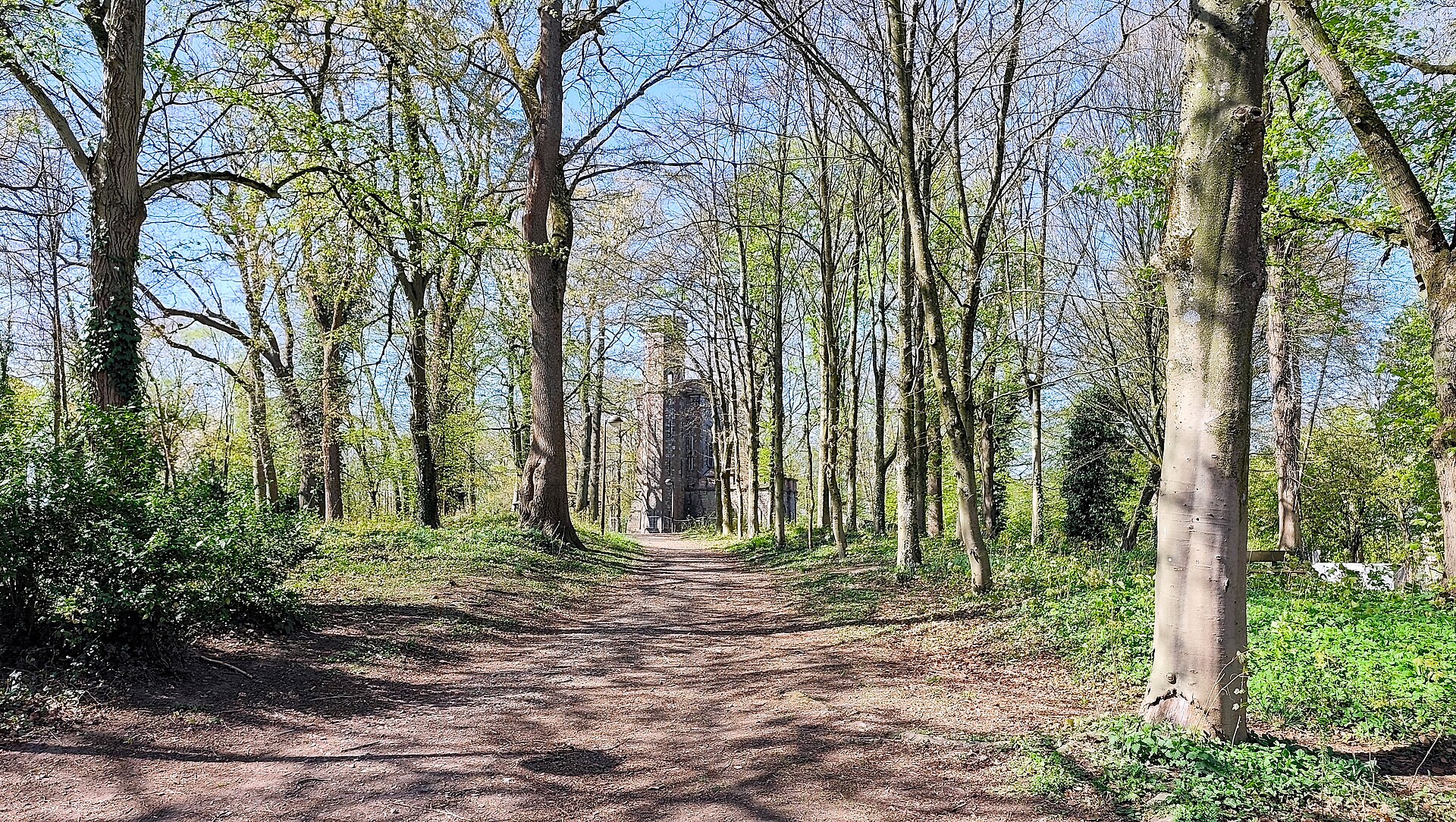
The push to move the garden came from Charles Morren, who served as both rector and director of the botany faculty. In 1838 the city of Liège acquired roughly 5 hectares of land in what was then the rural district of Bas-Laveu. The redesign was entrusted to city architect Julien-Étienne Rémont, whose travels in Britain left a clear mark on the result — the garden took on an English landscape style, visible today in its winding paths and informal plantings.
What makes it worth a visit?
The garden's Victorian-style greenhouses were completed in 1841 and proved influential enough to serve as a model for the greenhouses later built at the Bucharest Botanical Garden. In 1848 the grounds were enclosed with wrought-iron fencing, parts of which survive and still give the park its distinctly 19th-century character.
Today the former university botanical garden operates as a communal park of about 3 hectares, home to roughly 400 trees and shrubs. Some specimens, brought in from across Europe and beyond, are considered exceptional for their age or rarity. It's a compact space, but one that packs in a surprisingly varied collection of woody plants — a living record of the university's scientific ambitions two centuries ago.
It's worth noting that Liège is also home to a separate, more modern institution devoted to botany: the Observatoire du Monde des Plantes, a university facility with a large greenhouse of over 2,000 square metres split into distinct climate zones, housing thousands of plant species. That, however, is a different site entirely from the historic park in Bas-Laveu.
Frequently asked questions
Is entry to the garden free? The communal park that grew out of the old botanical garden is an open, publicly accessible green space in central Liège.
What's worth seeing on site? Mainly the mature tree collection — nearly 400 trees and shrubs, some originating from far-flung regions — along with surviving sections of the 19th-century ironwork fencing and the original English-style layout of the paths.
Is this the same as Liège's botanical greenhouses? Not quite — it's worth distinguishing this historic university park from the newer botanical greenhouses operating elsewhere in the city, as well as from the Observatoire du Monde des Plantes, both of which are separate sites.
Who is this place good for? It suits anyone looking for a calm, green break while exploring central Liège, as well as visitors interested in the history of landscape architecture and tree collections.
Nearby places

Earn badges for the places you visit
Download NextOnTrip, discover new places and check off your trails.