About this place
Panzerkampfwagen I is a German light tank from the 1930s, and a surviving example can be seen today in Burgos as part of the city's military heritage tied to Europe's turbulent 20th-century history. It's a modest but historically significant machine — one of the first tanks mass-produced by Nazi Germany — and its presence on the Iberian Peninsula connects to the Spanish Civil War, when Germany supplied Nationalist forces with military equipment, including this very type of vehicle.
What is the Panzerkampfwagen I?
The Panzer I, officially designated Sd.Kfz. 101, was designed as a light training and combat tank. It came in two main variants, A and B, and around 2,000 units were built in total between 1934 and 1939. It was small, lightly armored, and armed only with machine guns — limitations that quickly became apparent on the modern battlefield. Even so, it played an important role as a chassis platform for other military vehicles, forming the basis for self-propelled guns and command vehicles. Rarer versions, designated Ausf. C and Ausf. F, were built in small numbers, while the Ausf. D variant never advanced past the prototype stage.
Why is a tank like this found in Burgos?
During the Spanish Civil War, Burgos served as one of the main centers of the Nationalist side, and the wider region still holds traces of that period through museums, exhibits, and individual pieces of military hardware. German support for Franco's forces included shipments of armored equipment, which is how machines of this type reached the Iberian Peninsula and remained there long after the conflict ended — some surviving to this day as preserved pieces. The example on display in Burgos lets visitors examine up close a design that marked one of Germany's first steps toward mechanizing its armored forces before the Second World War.
What will you see on site?
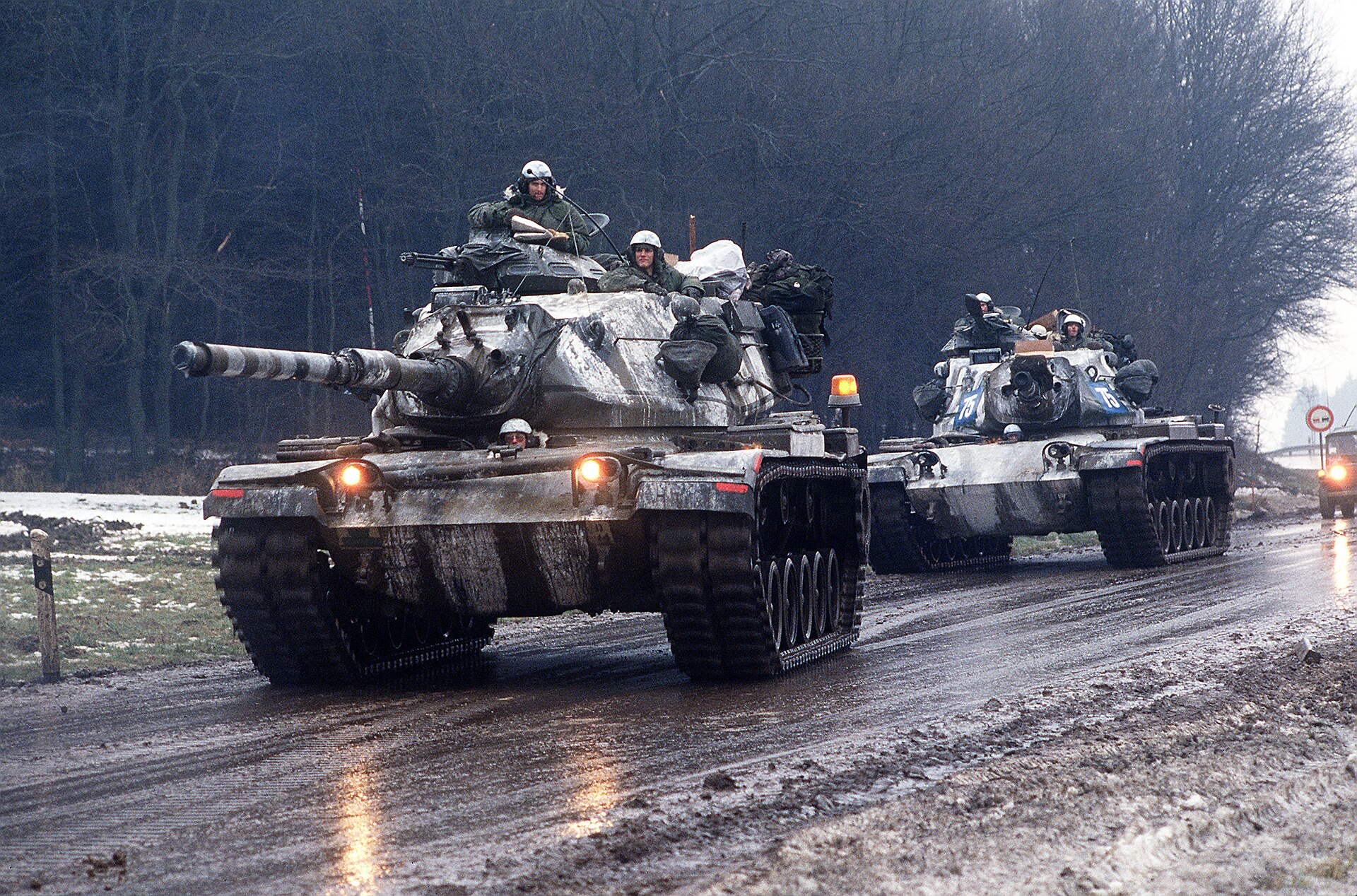
Visitors can inspect the tank's compact profile — its small turret, thin armor plating, and distinctive running gear with numerous road wheels. It's a good opportunity to appreciate how different early armored designs were from the medium and heavy tanks that would dominate battlefields just a few years later. The exhibit serves as a starting point for discussing the development of military technology in the 1930s and 1940s, including the tank's use in the invasion of Poland and the campaign in France.
How to get there and when to visit?
Burgos lies on the Camino de Santiago route and is well connected by train and bus from Madrid and Bilbao, making it easy to combine a visit to the exhibit with a wider tour of the city. Burgos itself, best known for its Gothic cathedral on the UNESCO World Heritage list, is most pleasant to visit in spring or autumn, when temperatures are milder than in peak summer. Seeing the military exhibit typically takes little time, so it pairs well with a walk through the city's historic center.
Frequently asked questions
Was the Panzer I used in the Spanish Civil War? Yes, Germany supplied this tank type to Nationalist forces as part of its military support for General Franco, linking the model to Spain's history in the 1930s.
How many Panzer I tanks were built? Around 2,000 units were produced in total between 1934 and 1939, mostly in the A and B variants.
How did the Panzer I differ from later German tanks? It was considerably lighter and less well armed, carrying only machine guns rather than a cannon, which made it obsolete almost as soon as the war began.
Is it worth combining the visit with other Burgos attractions? Definitely — the city offers its cathedral, old town, and the Camino de Santiago trail, so viewing the military exhibit fits naturally into a longer sightseeing plan.
Nearby places

Earn badges for the places you visit
Download NextOnTrip, discover new places and check off your trails.