About this place
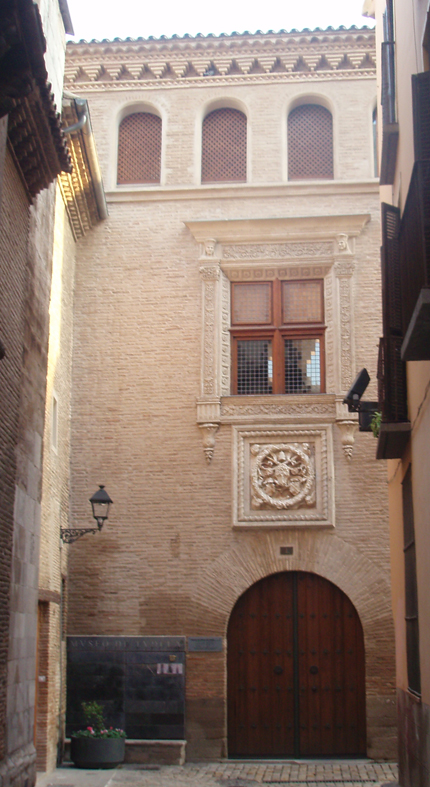
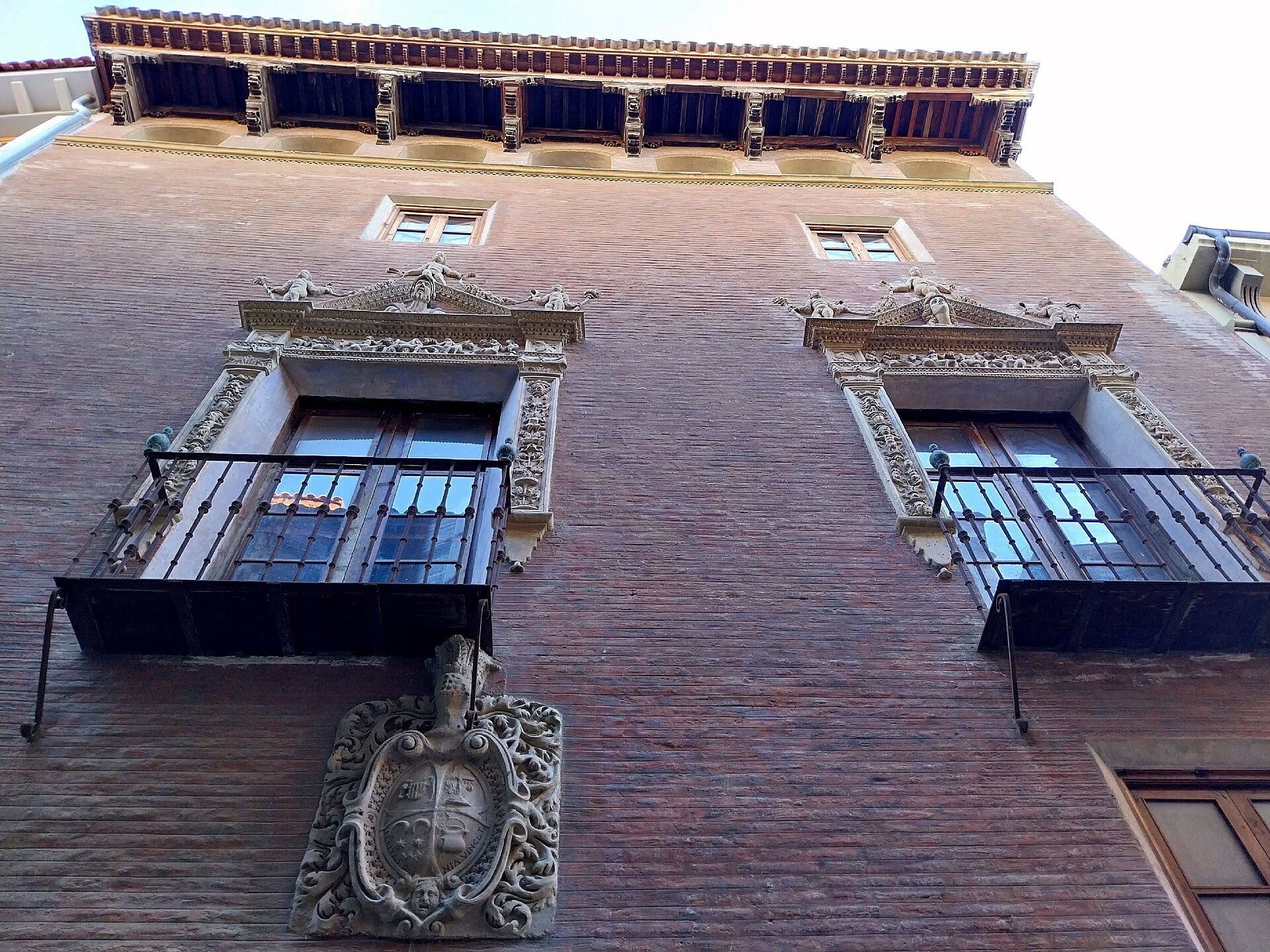
Palacio Decanal is a late 15th-century Gothic-Mudéjar brick palace standing in the heart of Tudela's old town, on La Merced street, right next to the Santa María Cathedral. For centuries it served as the residence of the dean, the city's leading church figure, and during periods when Tudela had its own bishop, it also functioned as the episcopal palace of the diocese.
What is the history behind the building?
Construction began in the second half of the 15th century, and the palace went through further work in the 16th, 18th and 19th centuries, which explains the mix of styles visible on its exterior today. Its most striking feature is the Renaissance facade, restored in 1515 under Dean Villalón. Carved in alabaster, it displays the dean's own coat of arms alongside that of Pope Julius II, a detail that signals both the personal prestige of its patron and the palace's ties to Rome.
The palace hosted Spanish monarchs travelling through Navarre, but its most notable guest was Pope Adrian VI, who stayed here shortly after his election, on his way to Rome for the official proclamation. Few buildings outside major cities can claim a papal visit tied to such a specific moment in church history.
What will you find inside?
The palace now houses the Museo de Tudela, run by the diocese. The permanent collection focuses on the region's religious art: sculptures, paintings, altarpiece fragments, liturgical vestments and objects, and goldwork gathered from churches across Tudela and the surrounding area. A separate section is dedicated to regional archaeology, covering finds from the wider Ribera de Navarra area.
A visit also unlocks something invisible from the street: access to the Romanesque cloister of the Santa María Cathedral. The cloister connects directly to the museum building, and it's one of the strongest reasons to spend more than a passing glance on this corner of Tudela's old town.
How do you get there, and when's the best time to visit?
Palacio Decanal sits within the old town, right beside the cathedral, so it's best explored on foot as part of a walk through Tudela's historic centre. Like most monuments in this part of town, it has no dedicated parking, but there are places to stop within easy walking distance of the main streets of the old quarter.
Since the building operates as a diocesan museum, entry depends on the museum's opening hours rather than being available around the clock like an exterior-only monument. Timing your visit for when the museum is open is worth it, since the cathedral cloister can only be reached through the museum itself.
Frequently Asked Questions
What is the Palacio Decanal in Tudela? It's a late 15th-century Gothic-Mudéjar palace that served as the dean's residence and the episcopal palace of the Tudela diocese, and today houses the Museo de Tudela.
Why is the palace's facade so distinctive? The Renaissance facade was restored in 1515 under Dean Villalón and carries alabaster coats of arms of both the dean and Pope Julius II.
Who stayed at the palace historically? Spanish monarchs lodged here, and its best-known guest was Pope Adrian VI, who stopped at the palace after his election on his way to Rome.
What can you see inside the museum? Collections of religious art (sculpture, painting, altarpieces, goldwork), a regional archaeology display, and the Romanesque cloister of the Santa María Cathedral, reachable only from inside the museum.
Nearby places


Earn badges for the places you visit
Download NextOnTrip, discover new places and check off your trails.