About this place
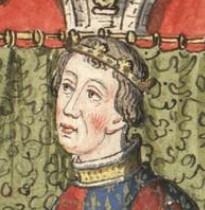
Charles III the Noble is honored with a bust in Tudela, a monument to the medieval king who shaped this Navarrese city's fortunes more than any other ruler. It stands in the historic quarter, close to a street that also bears his name, giving visitors a small but meaningful stop before exploring the old town further.
Who was Charles III the Noble?
Charles III reigned as King of Navarre from 1387 to 1425. He was the son of Charles II the Bad and Joanna, daughter of the French king John II the Good. Before inheriting the Navarrese crown he held the title of Count of Évreux (1387–1404) and later Duke of Nemours (1404–1425). His marriage to Eleanor, daughter of King Henry II of Castile, put an end to years of conflict between the two kingdoms, and the 1404 Treaty of Paris settled his disputes with France over the Navarrese crown's territories there. In 1423 he created the title of Prince of Viana for the heirs to the throne, first granted to his own son.
What ties this king to Tudela?
Charles III's reign marked a turning point for Tudela itself. On 20 May 1390 he formally granted the settlement the status of city, an act still preserved in the municipal archive and regarded as the moment that defined Tudela's identity. He also ordered a major rebuilding of Tudela's old castle, turning the fortress into a lavish royal residence. On 18 April 1407, while staying in the city, he established the merindad (administrative district) of Olite — a sign of how frequently the king made Tudela one of his bases.
What will you see at the monument?
The bust of Charles III the Noble is a modest but telling landmark in the old town's streetscape — worth a brief pause before heading deeper into Tudela's historic core. Nearby runs Calle Carlos III el Noble, named after the king, and from there it's an easy walk to the Santa María la Mayor cathedral, the former Jewish quarter (judería), and the banks of the Ebro River that trace the city's ancient urban layout.
How do you get to Tudela?
Tudela sits in southern Navarre, roughly 90 km from Pamplona and just under 80 km from Zaragoza. The easiest routes are the AP-15 motorway or the N-121 road, and travelers by train can use Tudela's station, served by connections to Pamplona, Zaragoza, and Madrid. From the station it's only a short walk of about fifteen minutes to the town center where the monument stands.
When is the best time to visit?
The Ebro valley is known for hot, dry summers, so spring and autumn bring the most comfortable conditions for exploring, along with a quieter old town. July draws crowds for the Fiestas de Santa Ana, one of the city's biggest celebrations, though visitors should expect both heat and heavier tourist traffic during that period.
Frequently asked questions
Who was Charles III the Noble? He was King of Navarre from 1387 to 1425, son of Charles II the Bad, remembered for reshaping his kingdom's administration and architecture.
Why is he honored specifically in Tudela? Because in 1390 he granted Tudela the status of city and converted its castle into a royal residence, decisions that shaped the town's development for centuries.
Is there an entrance fee for the monument? No — the bust stands in a public open-air space and can be viewed free of charge at any time.
What else is worth seeing nearby? The Santa María la Mayor cathedral, the former Jewish quarter, and the banks of the Ebro River are all within a short walk of the monument.
Nearby places
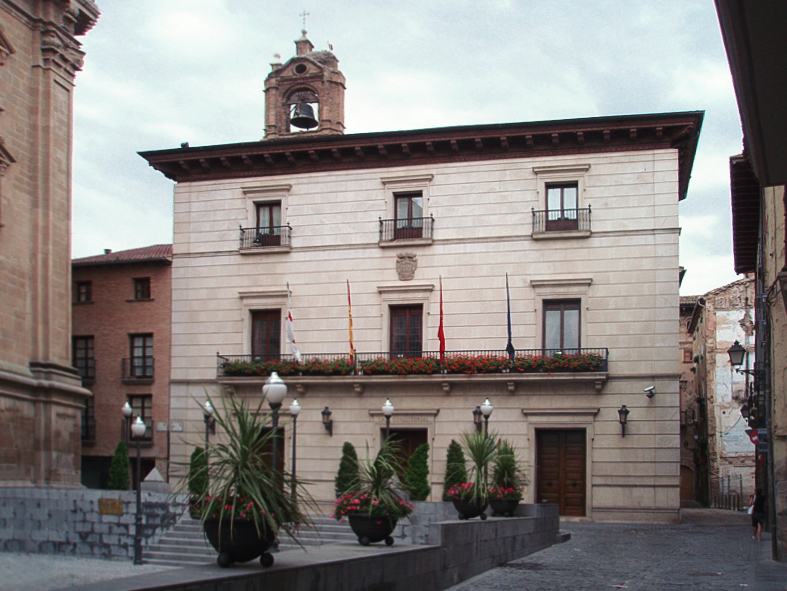
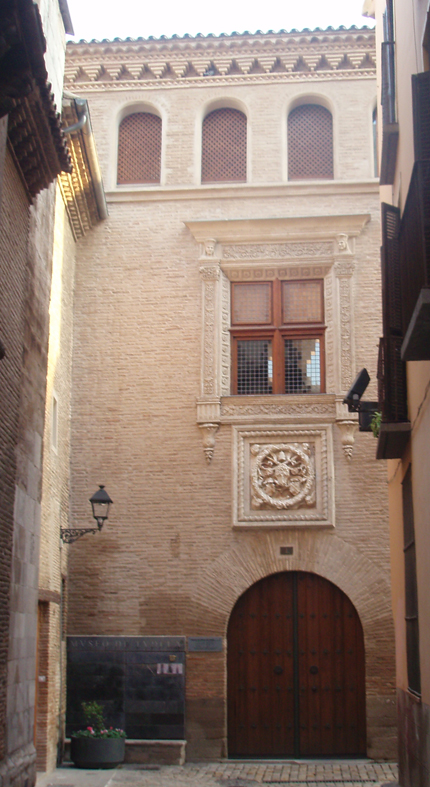
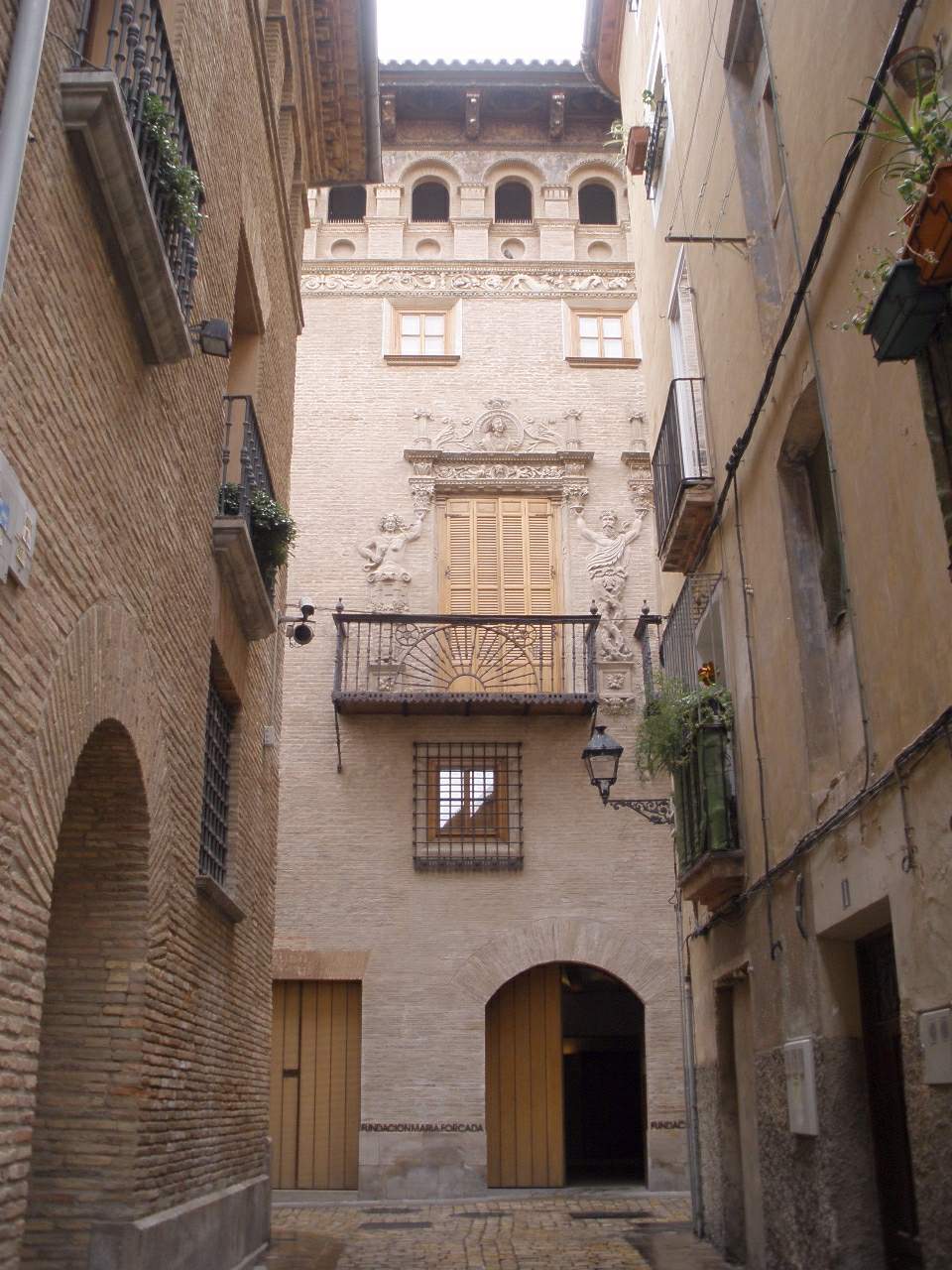

Earn badges for the places you visit
Download NextOnTrip, discover new places and check off your trails.