About this place
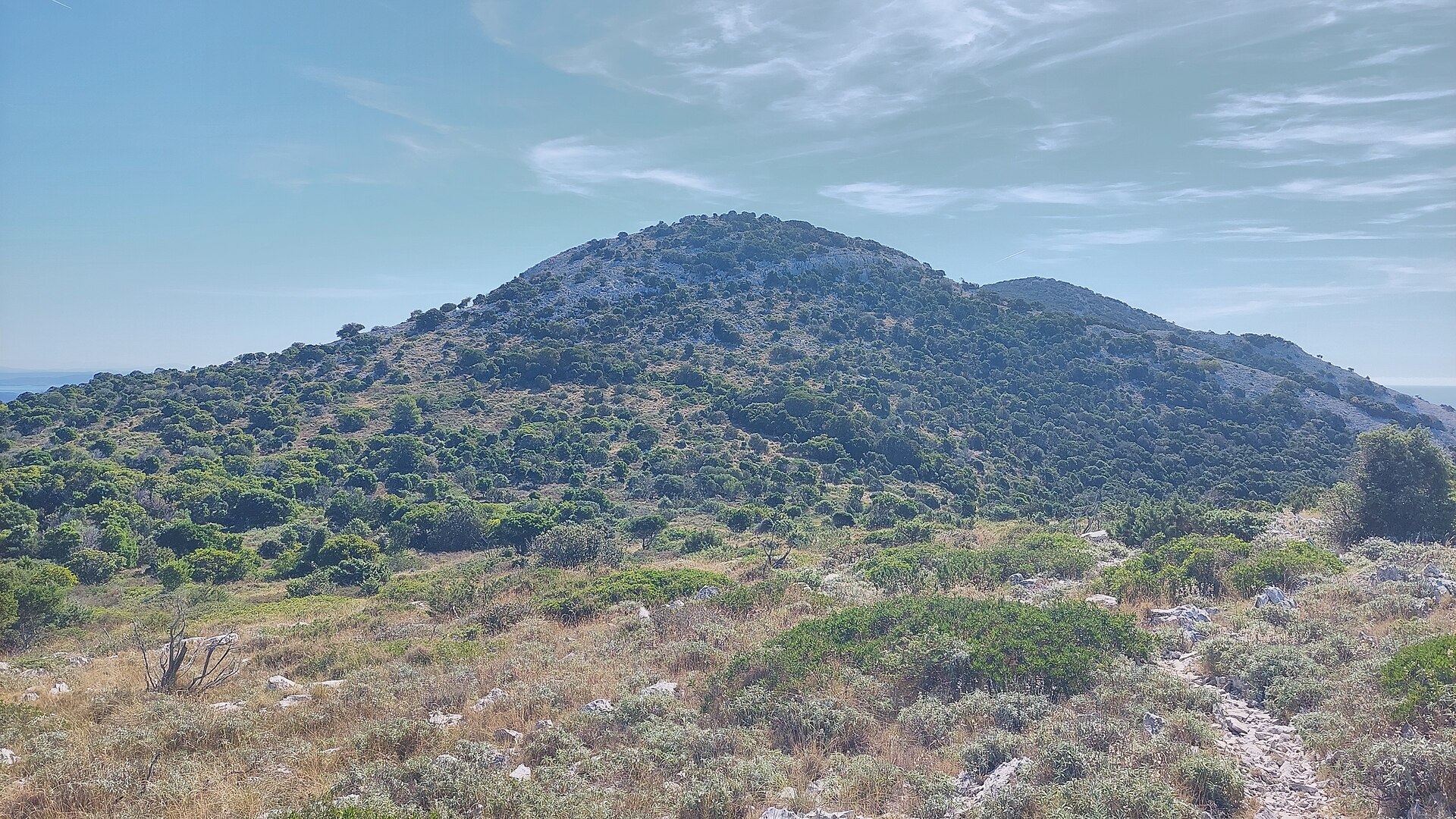
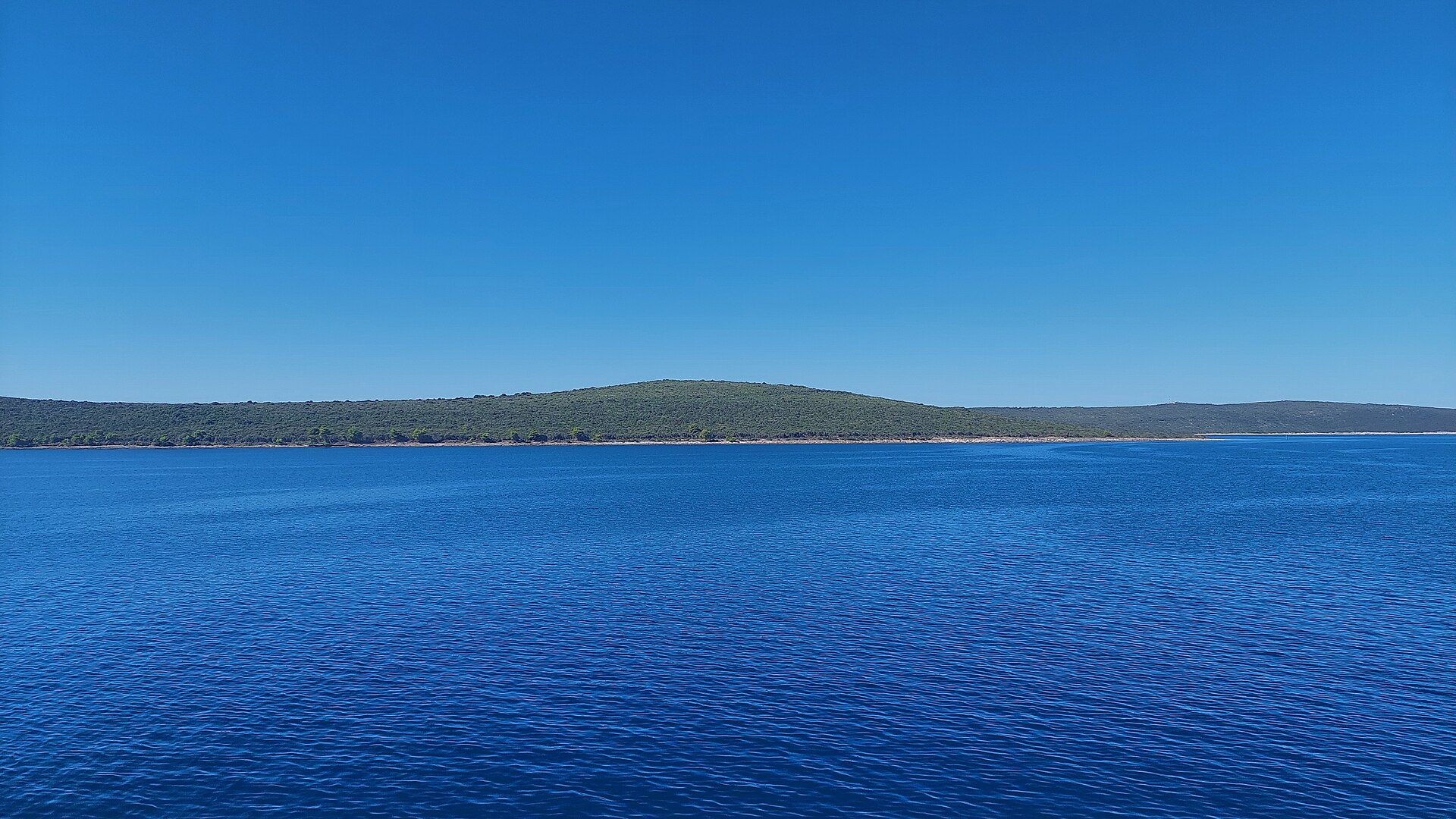
Orljak is a scenic hill on Dugi Otok island in Croatia, rising above the village of Luka, from where one of the most popular trails leads to the summit.
Where is Orljak and why climb it?
Orljak stands roughly 301 metres tall and is the second-highest point on Dugi Otok. The island's true highest peak, Vela Straža (around 337–338 m), has been off-limits to visitors since 2004 because a military radar station occupies its top. As a result, the Croatian Mountaineering Association designated Orljak as the official hiking target instead of the closed-off summit. In practice, that makes Orljak the highest point on the island an ordinary visitor can actually reach.
How do you get to the top?
A convenient starting point is Luka, a small village in the central part of Dugi Otok, tucked at the foot of the Vela Straža massif between Žman to the southeast and Savar to the northwest. The trail begins at around 110 metres above sea level and covers just 1.8 km, though an average gradient of 24% means it isn't entirely effortless. Most hikers cover it in well under an hour — about 47 minutes one way. The route follows an old goat path: a gentle climb toward a saddle, a short flatter stretch, and finally a steeper, rockier push to the summit. Waymarking is clear throughout, so even less experienced walkers shouldn't have trouble following it.
What will you see at the top?
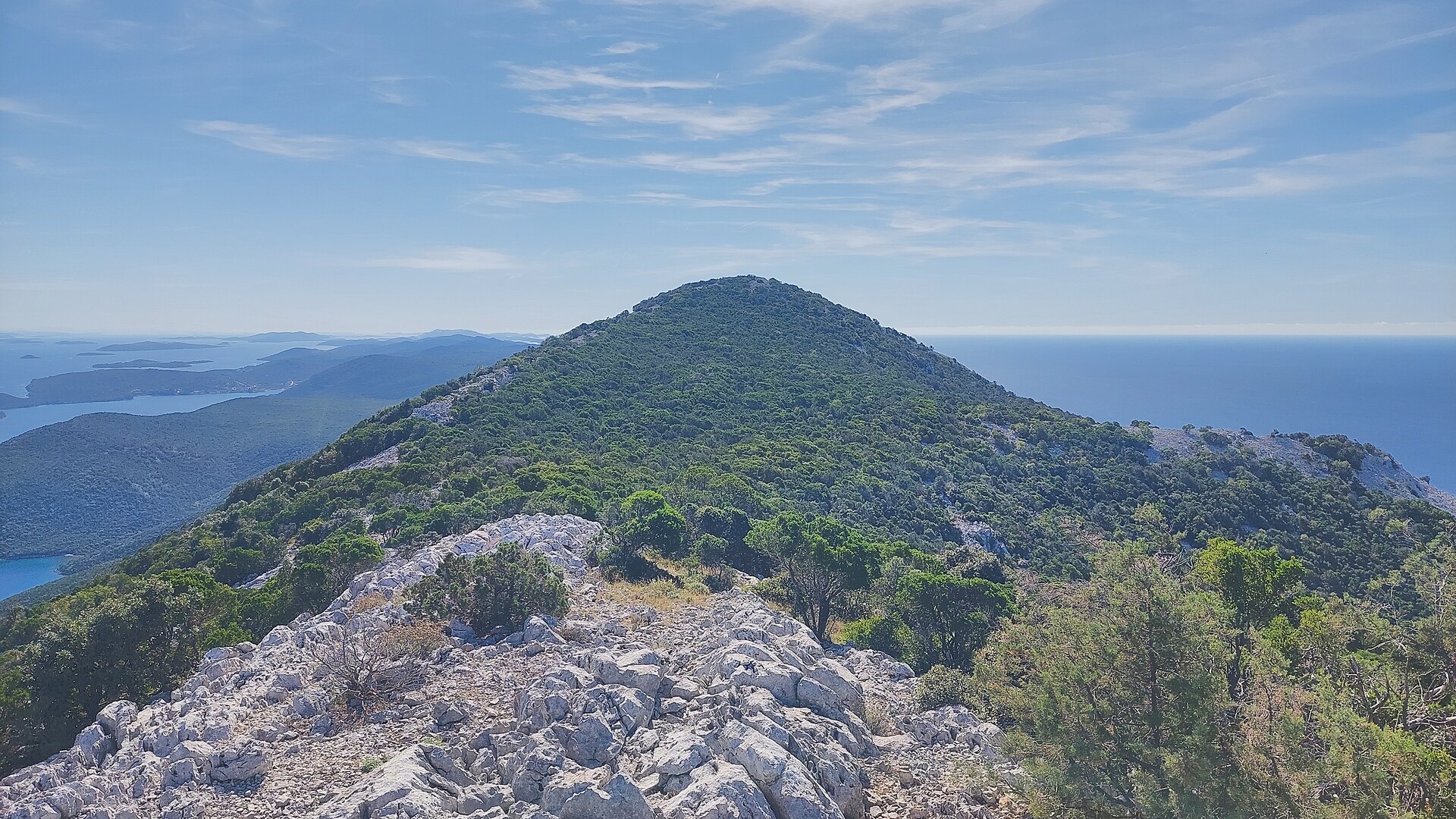
The summit is marked the traditional way — a small cairn of stones with a piece of dry wood wedged into it, alongside a stone bearing the peak's name and elevation. The real reward, though, is the view: from the top, the panorama opens across the whole island, its surrounding channels, and the neighbouring islands of the Zadar archipelago. It's a favourite spot for landscape photographers and for catching sunrise or sunset.
What's worth seeing in Luka itself?
Luka is one of the more picturesque settlements on Dugi Otok. It's first mentioned in writing in 1365 under the name Vallis Sancti Stephani, though traces of settlement here go back to Roman times. A larger wave of residents arrived in the 16th century, when people fleeing Ottoman incursions on the mainland sought refuge on the islands. Today the village counts only around a hundred permanent residents in winter, a number that multiplies many times over in summer. Worth doing while in Luka: a walk along its seaside promenade, whose origins trace back to the 14th century, and time spent at Zlatna Vala bay, known for its crystal-clear water. Nearby lies Bok bay, where a natural therapeutic mud can be found. Thanks to its sheltered bays, Luka is a popular anchorage for yachts and smaller boats. The village also keeps up its fishing traditions, which show up in a rich local food scene built around fresh fish and seafood. Every year on 2–3 August, Luka holds its traditional summer festa.
When is the best time to visit?
Spring (April to June) and early autumn (September to October) are the most comfortable seasons for climbing Orljak, offering milder temperatures than the height of summer and often clearer views thanks to less haze. In summer, it's best to set out early in the morning before the heat builds on the rocky, largely unshaded trail.
Frequently asked questions
How tall is Orljak? The hill rises to about 301 metres, making it the second-highest point on Dugi Otok after Vela Straža, which is closed to the public.
Where's the best place to start the hike? The village of Luka is the most convenient trailhead — a well-marked 1.8 km trail leads from there to the summit in around 47 minutes.
Is the trail difficult? It's short, but the average 24% gradient adds up, and the final stretch is rocky and steep, so proper hiking footwear is worth having.
What else is there to see besides the summit? In Luka, don't miss the historic seaside promenade, Zlatna Vala bay with its clear water, and the nearby Bok bay known for its therapeutic mud.
Nearby places

Earn badges for the places you visit
Download NextOnTrip, discover new places and check off your trails.