About this place
The Old Jewish Cemetery in Split is one of the quietest and most telling reminders of the city's historic Jewish community. It lies on the eastern slope of Marjan hill, above the port and the old town, among pines and Mediterranean greenery.
Where is the cemetery and how do you get there?
The cemetery sits on Marjan, the forested peninsula that serves as Split's natural city park. It is close to the Vidilica cafe, one of the best-known viewpoints on the hill. The easiest way is on foot from the old town, heading toward Marjan and climbing gradually up the slope. The walk is pleasant, but bring water and comfortable shoes, as parts of the route follow steps and shaded paths under the pines.
How did the Old Jewish Cemetery begin?
Most sources date the founding to 1573. At that time Split belonged to the Venetian Republic and had become an important trading point for the Balkans and the Levant. The effort to secure a burial ground for the Jewish community is linked to Daniel Rodriga, an influential merchant and promoter of Split's port. His request was granted, and Marjan received a cemetery that served successive generations of Split's Jews. In 1973 the local community published a book marking the cemetery's 400th anniversary.
What can you see there?
Around 700 gravestones stand on the site. The inscriptions are in Hebrew, and some stones show lettering associated with Sephardic tradition. Later stones carry Italian inscriptions, reflecting the multicultural character of old Dalmatia. Members of families from the Venetian period are buried here. A building beside the cemetery may once have served as a house for funeral preparations (a beit tahara).
The setting is modest: stone slabs among trees, moss, shade and a stillness broken only by wind. It is a place for reflection rather than hurried sightseeing.
The cemetery and the story of Marjan's forest
Marjan had been a communal forest since the 13th century. The cemetery is also part of the hill's reforestation story: in 1852 the first planting of Aleppo pine on Marjan took place on the cemetery grounds. Systematic afforestation followed in 1884 under Professor Juraj Kolombatovic. Today's green Marjan owes part of its look to this place.
Frequently asked questions
Is there an entrance fee? The sources consulted mention no fee; the cemetery lies within the freely accessible Marjan park.
How long does a visit take? The cemetery itself usually takes 20 to 40 minutes. If you combine it with a walk to Vidilica and its city views, allow about two hours.
Is it an active cemetery? It is a protected heritage site and a place of memory. Behave respectfully: do not sit on gravestones, do not move stones, and dress modestly.
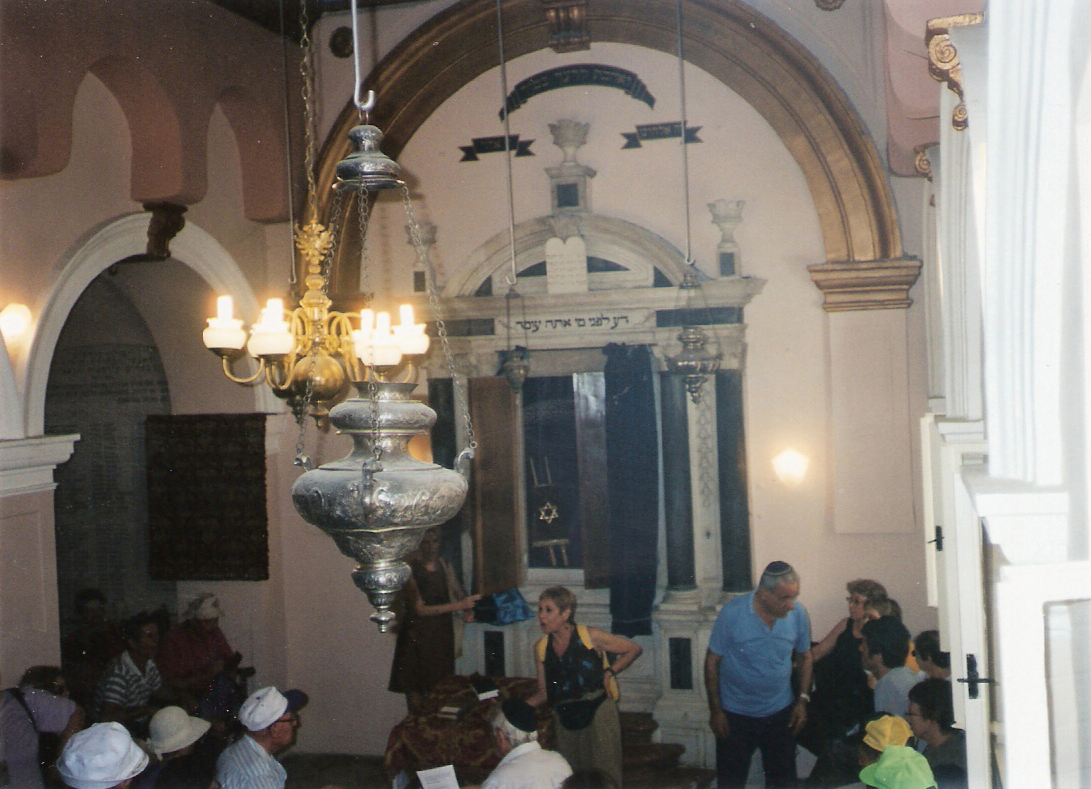
What pairs well with a visit? The Split Synagogue in the old town and a walk along Marjan's viewpoints are natural companions.
Which are the oldest graves? Sources give different dates for the oldest stones, so it is better to look at the stelae yourself than to hunt for one specific date.
Nearby places

Earn badges for the places you visit
Download NextOnTrip, discover new places and check off your trails.