- Sacred Monuments
- Religious monuments
Nuestra Señora de la Anunciación
About this place
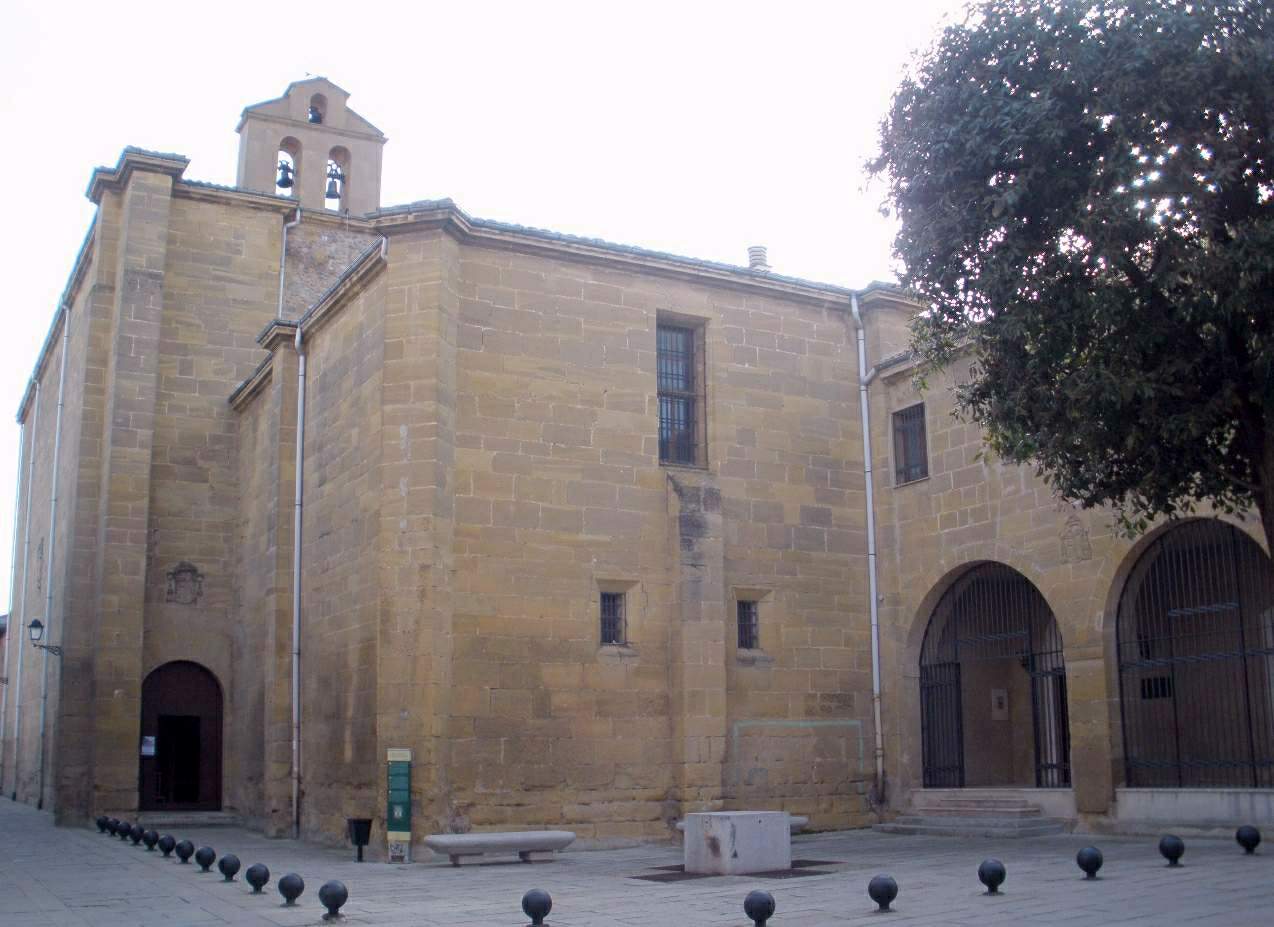
Nuestra Señora de la Anunciación is a Cistercian abbey in Santo Domingo de la Calzada, in Spain's La Rioja region, tucked along Calle Mayor in the heart of the old town. It remains an active convent, and its church and cloister are among the town's most rewarding — and least crowded — stops for anyone walking the Camino de Santiago through this stretch of the Camino Francés.
Who founded the monastery, and when?
The abbey was founded by Pedro Manso de Zúñiga, bishop of the diocese of Calahorra y La Calzada. Construction started in 1610 and wrapped up in 1621. The Cistercian nuns who settled here came from the Monastery of Santa María de los Barrios in Abia de las Torres, in Palencia province. For over two centuries the community answered to the powerful Abbey of Las Huelgas in Burgos, a dependency only lifted by a papal bull from Pius IX in 1873. What makes the place unusual is continuity: nuns have lived here without interruption since the 17th century.
What will you see inside?
The church was designed by architects Matías de Asteazu and Pedro de la Mata in a restrained classical style. It's built as a single nave in the shape of a Latin cross, with buttresses dividing the sides into chapels that hold the altarpieces. The showpiece is the main altarpiece, a mid-18th-century example of Riojan Baroque, with an image of Our Lady of the Annunciation — the monastery's namesake — set in the central niche. An alabaster tomb holds the founder alongside his two nephews, both bishops themselves, their effigies carved in recumbent pose. The cloister, dating to the 17th century, is a study in Cistercian austerity: plain lines, no ornament, built for quiet rather than display. The lower choir, used as a burial ground until 1960, holds the remains of more than 200 nuns.
How do you get there, and when should you go?
The monastery sits at Calle Mayor 31, right in the historic centre of Santo Domingo de la Calzada, a short walk from the cathedral and the main Camino Francés route — anywhere in the old town is a few minutes on foot. Regular visiting hours run through July, August and September; outside that window, visits can be arranged by phone year-round. Groups are kept small, so it's worth booking ahead. A small shop sells items made by the community, and pilgrims walking the Camino can stay for free in a restored 18th-century building attached to the monastery.
Why is it worth the stop?
Few monasteries along the Camino de Santiago have housed an unbroken religious community for four centuries, and here visitors get more than architecture — they get a living tradition still in practice. The contrast between the bare, disciplined cloister and the ornate Baroque altarpiece captures two very different instincts: Cistercian simplicity and 18th-century devotional excess, sitting side by side. For pilgrims specifically, it's also a practical stop, offering rest and a free bed steps from the route.
Frequently asked questions
Is the monastery open all year? No — regular visits run in July, August and September. Outside those months, you need to call ahead to arrange a visit.
Can pilgrims stay overnight here? Yes. Pilgrims walking the Camino de Santiago can use free lodging in a restored 18th-century building next to the monastery.
Who is buried in the monastery? The founder, Bishop Pedro Manso de Zúñiga, is buried in an alabaster tomb alongside his two nephews, also bishops. More than 200 nuns from the community are buried in the lower choir, used as a cemetery until 1960.
How far is the monastery from the town centre? Very close — it stands at Calle Mayor 31, the old town's main street, just a few minutes' walk from the Santo Domingo de la Calzada cathedral and the main Camino Francés route.
Nearby places

Earn badges for the places you visit
Download NextOnTrip, discover new places and check off your trails.