About this place
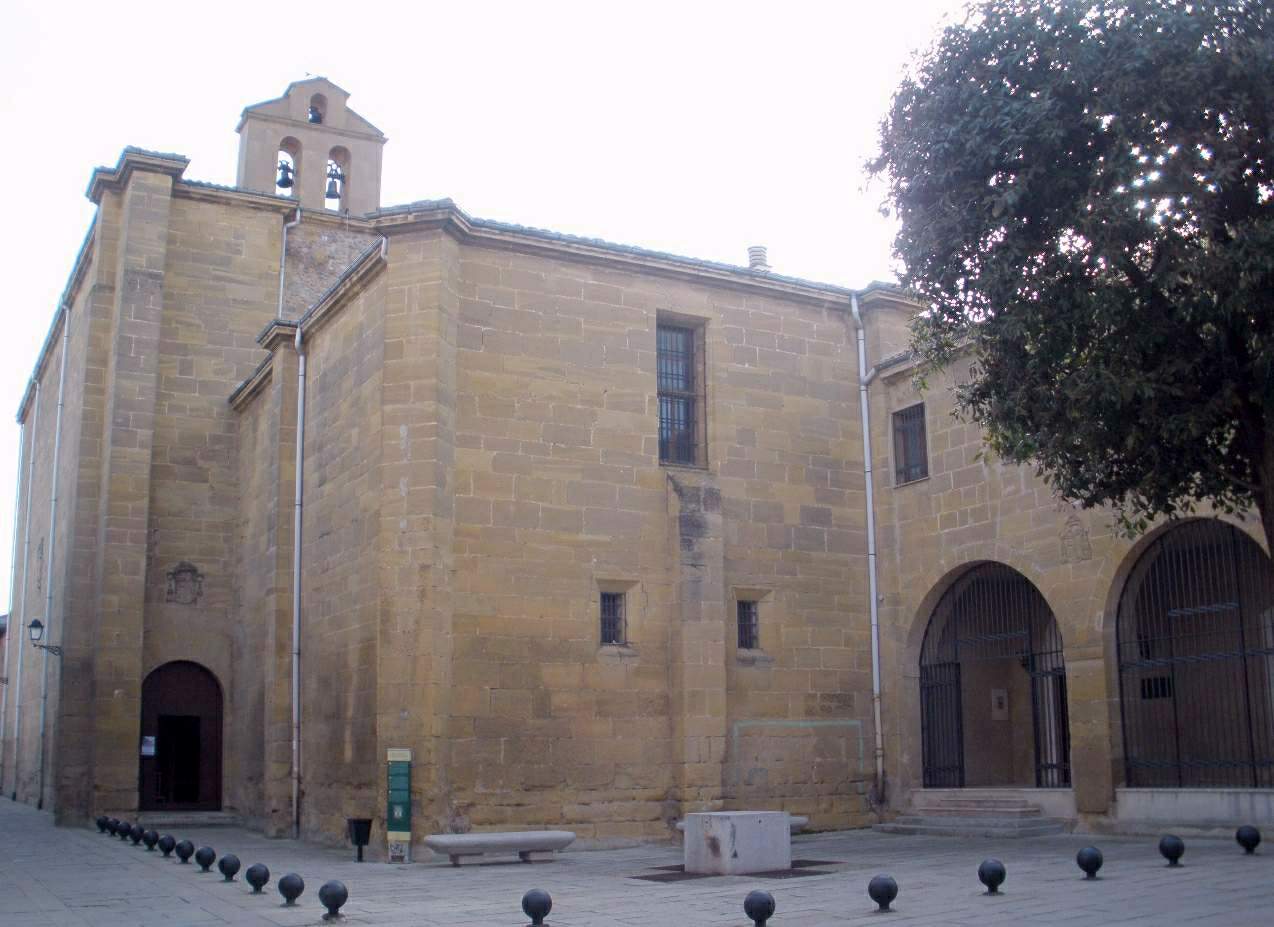
The Church of San Juan Bautista in Grañón is one of the most notable historic buildings along the Spanish stretch of the Camino de Santiago, standing in a small town in the La Rioja region. It rises right in the heart of the village, next to the town's famous pilgrim hostel, and has served as a landmark for travelers heading toward Santiago de Compostela for centuries.
What is the history behind the church?
The current building was raised in Gothic style between the 15th and 16th centuries, while the sacristy and tower date from the 17th and 18th centuries. Master builders involved in the construction included Master Fernando, who directed the works in 1537, and Juan de Huequel and Juan de Elgorriaga, who carried out work around 1573. The oldest surviving element, however, is a Romanesque baptismal font from the 12th century — the only remaining trace of the earlier monastery of San Juan that once stood on this site before the present church was built.
What does the architecture look like?
Inside, the church follows a nave divided into three sections, a presbytery, and an octagonal apse closed by three panels — a layout rarely found in churches of this region. A two-tiered ashlar-stone tower rises on the southwest side. The main entrance is marked by a rounded arch, a second entrance on the north side of the transept features six pointed archivolts, and a third, now sealed, opened on the south arm of the building.
What will you see inside?
The most valuable piece inside is the main altarpiece dedicated to the Holy Johns, created between 1545 and 1556. It is a richly ornamented plateresque work, its reliefs full of movement and expression. Together with the Romanesque font, it ranks among the finest pieces of religious art found along the La Rioja section of the Camino de Santiago. The church has been officially recognized as one of the 20 key milestones of the French Way.
What is the church's connection to the Camino de Santiago?
The church stands directly next to the well-known Albergue Parroquial San Juan Bautista, a pilgrim hostel that has operated since 1997 on the site of a former medieval pilgrim hospital. It is one of the most distinctive hostels along the entire route: pilgrims sleep on mattresses in large shared halls, and lodging, dinner, and breakfast are all offered on a donation basis. The hostel holds around 40 guests and sits at Plaza de la Iglesia 8. Many pilgrims describe the evening communal dinner and the shared prayer inside the church as one of the most moving experiences of the whole journey.
When is the best time to visit?
Grañón lies along the Camino Francés, so most visitors pass through during spring and summer, the peak pilgrimage season (April to September). Outside these months, the town is far quieter, making it easier to explore the church and its surroundings without the crowds.
Frequently asked questions
Can the church be visited without walking the pilgrimage? Yes, the church is open to all visitors to Grañón, not only to pilgrims walking the Camino de Santiago.
What is the oldest part of the church? The 12th-century Romanesque baptismal font, a remnant of the earlier monastery of San Juan that once stood on this same site.
Why is the church important to pilgrims? It stands next to the historic Albergue Parroquial, one of the most symbolic hostels on the entire Camino Francés, known for its traditional, donation-based Jacobean hospitality.
What makes the main altarpiece special? It is a plateresque work from 1545–1556 dedicated to the Holy Johns, considered one of the finest pieces of religious art along the La Rioja stretch of the Camino.
Nearby places
-
Nuestra Señora de la Anunciación
Santo Domingo de la Calzada
-

Church of Santa Cruz, Bañares
Bañares
-
Iglesia de Santa María de Villalba, Cerezo de Río Tirón
Cerezo de Río Tirón
-
Church of San Miguel
Cuzcurrita de Río Tirón
-
Antigua iglesia de San Nicolás
Belorado
-
St. Clare's Monastery, Belorado
Belorado
Earn badges for the places you visit
Download NextOnTrip, discover new places and check off your trails.