About this place
Habrůvecká bučina National Nature Reserve protects one of the finest surviving beech forests in the Moravian Karst, spread across the plateau and slopes east of the village of Habrůvka in the Blansko district, within the Moravian Karst Protected Landscape Area. Covering more than 85 hectares on the Rudická Plain in the central part of the karst region, the reserve rises around the Košův žlíbek hill (511 m above sea level) above the right bank of the Křtinský stream.
What makes this forest so valuable?
The heart of the reserve is a well-preserved, species-rich complex of natural beech and oak-beech woodland growing on limestone bedrock. The trees are between 150 and 200 years old, and beech alone accounts for roughly 94 percent of the stand. The understory and shrub layer remain sparse, typical of old, dense beech forest where little light reaches the forest floor. Elevations within the reserve range from 334 to 511 meters, so the protected area combines gently rolling plateau sections with steeper slopes.
What lies beneath the surface?
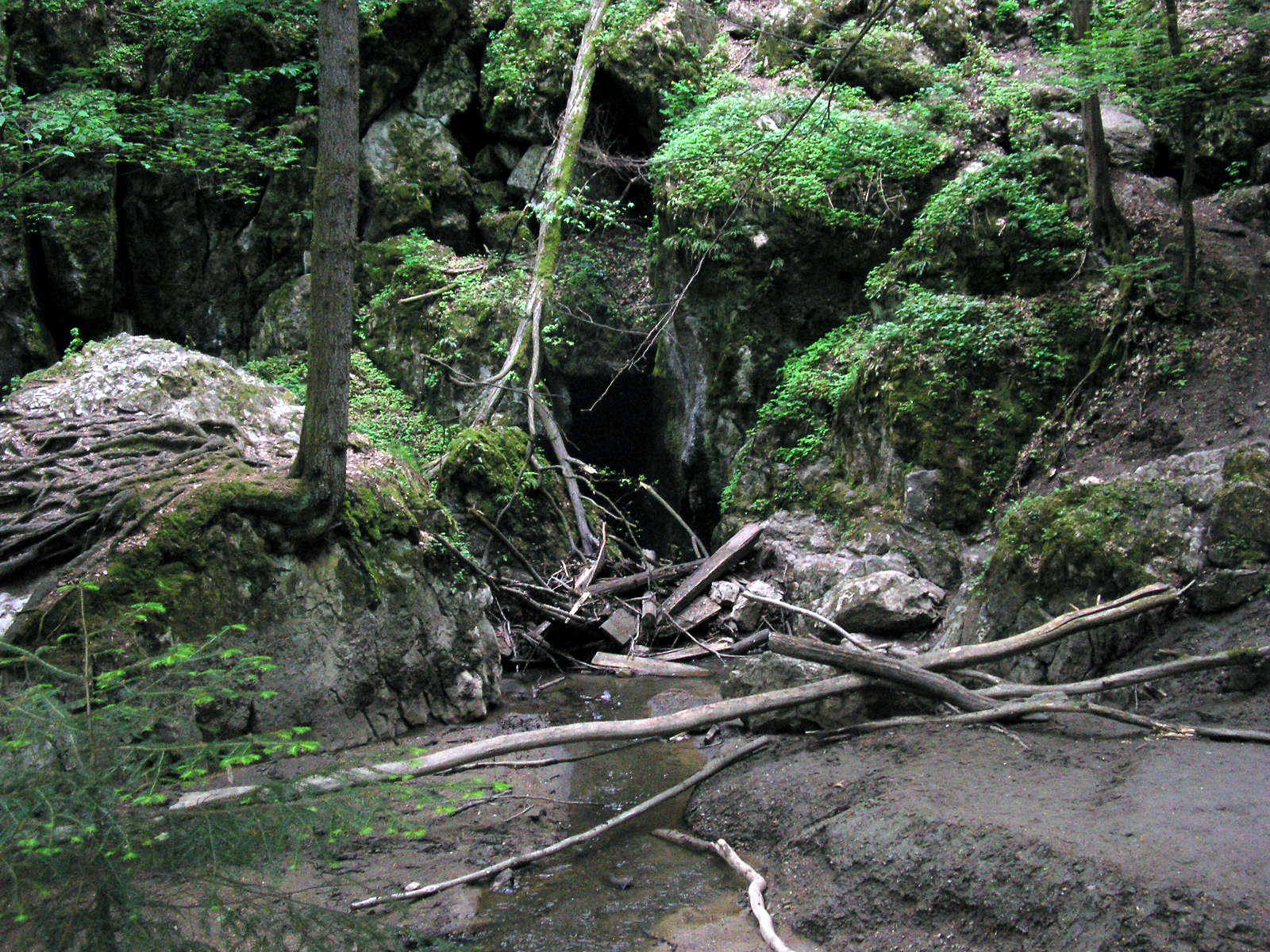
The bedrock here dates back to the Devonian, Jurassic and Cretaceous periods, and it is this geological mix that produces the reserve's striking karst phenomena — surface sinkholes and depressions above ground, and cave systems and other underground karst forms typical of the wider Moravian Karst below it. The reserve is also known for deposits of quartz geodes, some reaching up to 40 centimeters across, containing crystals of amethyst, citrine and clear quartz. Fossilized sea urchins and ammonites found in the rock record the area's distant past as an ancient seabed.
Which plants and animals live here?
The forest shelters several rare and threatened orchid species, including the red helleborine and coralroot orchid, along with the critically endangered ghost orchid. Notable birds recorded in the reserve include the ring ouzel, black stork and stock dove, all species tied to mature, undisturbed forest habitats. Mammals present include badger, fox, roe deer, wild boar and mouflon, while the invertebrate fauna is rich in beetle and snail species.
How has the area been protected over time?
The site was first declared a state nature reserve on 23 June 1975. It was elevated to National Nature Reserve status on 1 April 2008 by decision of the Czech Ministry of the Environment. Long before its protection, the land supported industrial activity: lime kilns and bloomeries dating from the 9th to 11th centuries point to early medieval ironworking, and iron ore extraction together with charcoal production continued in the area until mining finally ceased in the late 19th century.
What else can visitors explore nearby?
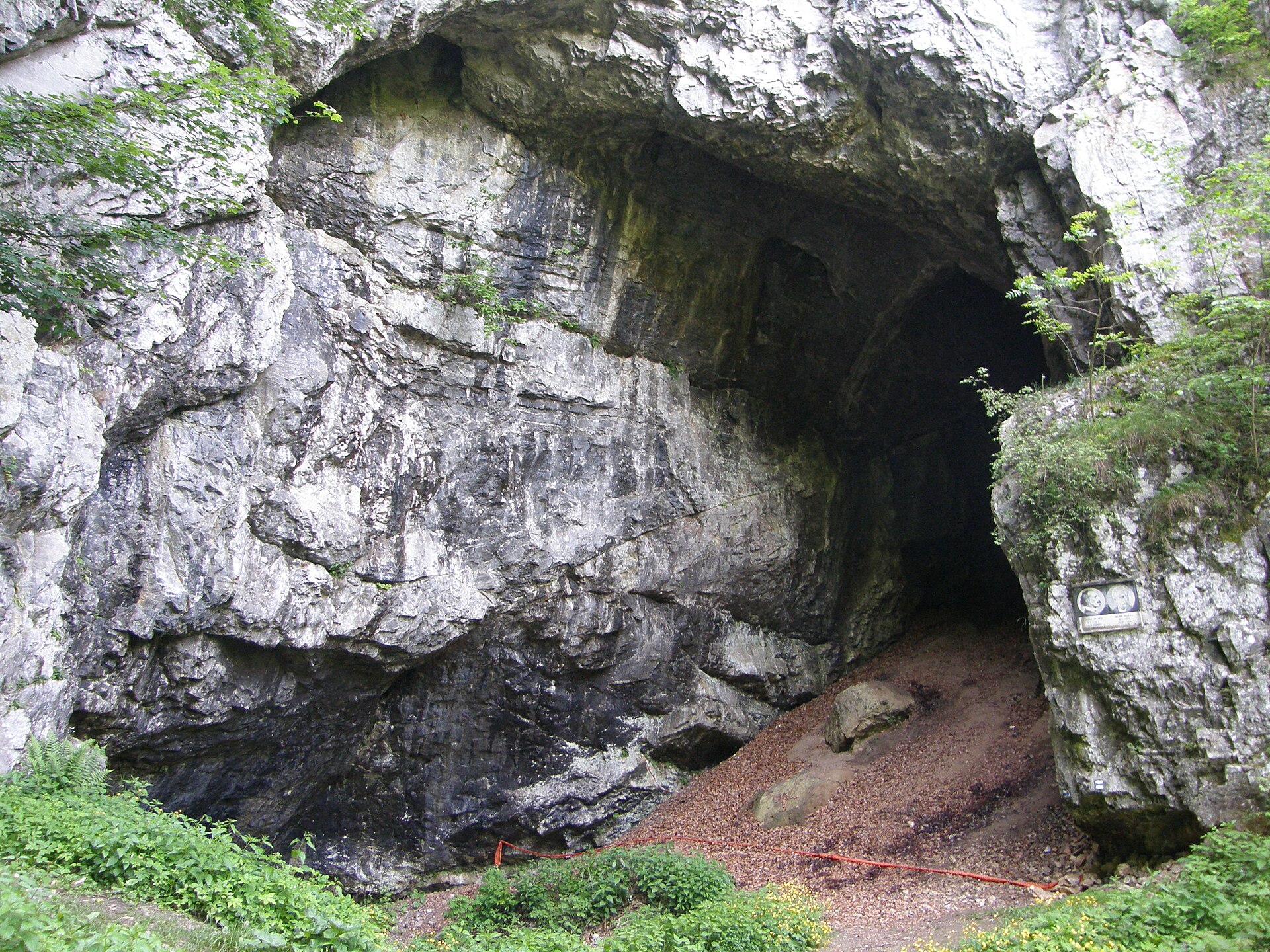
The reserve sits close to other landmarks of the Moravian Karst. The town of Adamov lies less than 4 km away via a hiking trail, and the area also gives access to the Býčí skála cave and the former ironworks site of Stará huť u Adamova, both linked to the region's long industrial history.
Frequently asked questions
Where exactly is the reserve located? East of the village of Habrůvka in the Blansko district of the South Moravian Region, within the Moravian Karst Protected Landscape Area.
How large is the protected area? The reserve covers more than 85 hectares of beech and oak-beech forest.
Can visitors see caves here? The reserve itself features numerous surface and underground karst phenomena, and the well-known Býčí skála cave lies nearby.
Why was this area protected? To preserve old-growth beech forest on limestone bedrock together with its distinctive karst features and quartz geode deposits.
Nearby places

Earn badges for the places you visit
Download NextOnTrip, discover new places and check off your trails.