About this place
Moravian Karst – the land of caves and the Macocha Abyss
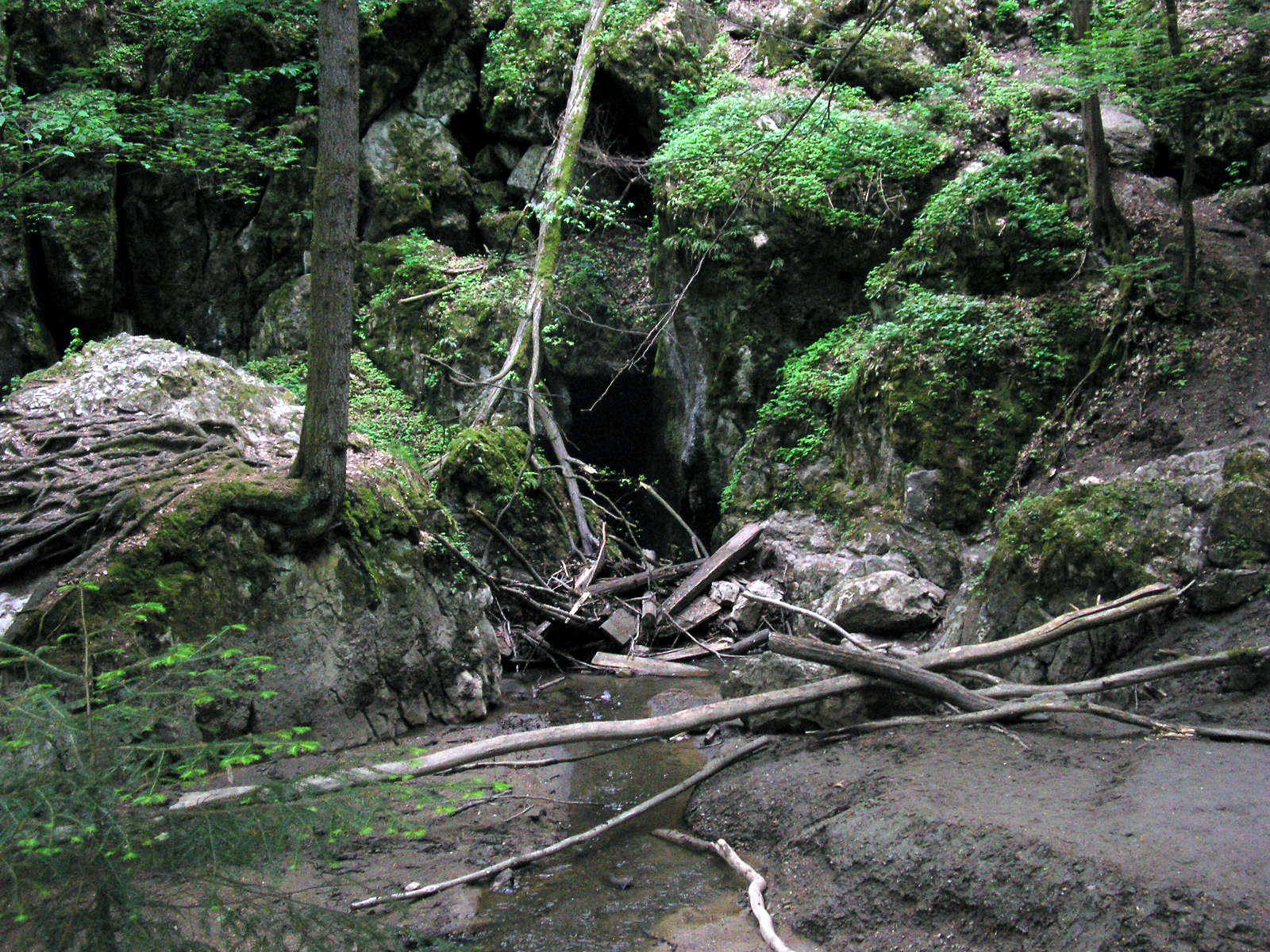
The Moravian Karst (Moravský kras) is a protected landscape area on the Drahany Highlands, a short drive north of Brno, covering roughly 92 km2 of limestone hills cut through by valleys, gorges and underground streams. The territory has been under legal protection since 1956, making it one of the oldest designated protected areas in the Czech Republic. The village of Habrůvka and its surroundings sit at the heart of the karst, with hiking trails leading visitors deep into the landscape.
What makes this area geologically remarkable?
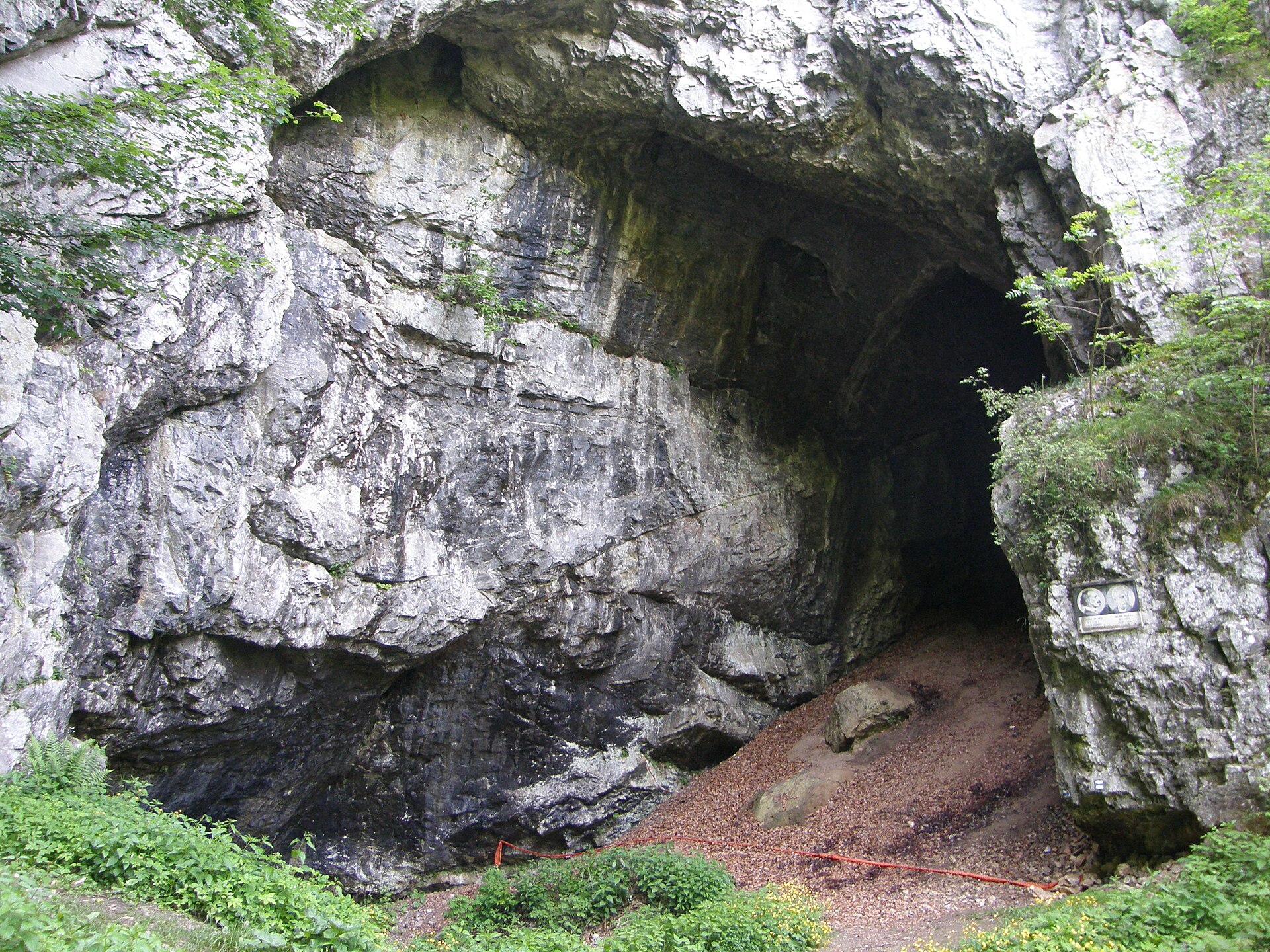
The limestone that forms the Moravian Karst dates back to the Middle Devonian through the Lower Carboniferous period. Water has been carving through this rock for millions of years, creating a dense network of underground passages. More than a thousand caves have been discovered here, five of which are open to the public as show caves. The longest known system, the Amateur Cave (Amatérská jeskyně), stretches over 40 kilometres and has been recognised as a Wetland of International Importance under the Ramsar Convention because of its ecological value.
What lies at the bottom of the Macocha Abyss?
The region's best-known landmark is the Macocha Abyss, a funnel-shaped sinkhole 138.7 metres deep, with a floor measuring 174 by 76 metres. Two public viewing platforms overlook the chasm: the upper platform, roughly 138 metres above the bottom, and the lower platform, about 48 metres beneath the upper rim. At the very bottom lie two small lakes — the upper one around 13 metres deep, the lower one reaching roughly 49 metres.
What does a visit to the Punkva Caves involve?
The most popular attraction in the area is the Punkva Caves (Punkevní jeskyně), discovered by Professor Karel Absolon, who was the first to reach the floor of the Macocha Abyss from below. The walking route passes through chambers decorated with stalactites and stalagmites before reaching the underground course of the Punkva River, where visitors board small boats for a ride between the rock walls that ends right at the bottom of the Macocha Abyss. The full visit takes about an hour. Visitors should note that during spring or after heavy rainfall, water levels in the Punkva can rise sharply, which shortens the boat section of the tour or leads to its cancellation altogether.
What traces of the past have survived in the caves?
Cave sediments in the Moravian Karst have preserved evidence that Neanderthals inhabited the area around 120,000 years ago. Bone carvings from the Magdalenian culture (roughly 13,000 to 10,000 BC) have also been found here and are counted among the most famous finds of their kind anywhere in the world. Alongside its geological features, this archaeological record is a major reason the region holds such a distinctive status.
What wildlife lives in the Moravian Karst?
Beyond the caves, the protected area shelters a rich variety of plant and animal life across its limestone slopes and beech-fir forests. Twenty-two species of bats roost in the caves and rock crevices, making the Moravian Karst one of the more important bat refuges in Central Europe.
Frequently asked questions
How many caves can be visited in the Moravian Karst? Over a thousand caves have been discovered, but only five are developed for guided visits, the most popular being the Punkva Caves.
How deep is the Macocha Abyss? It measures 138.7 metres deep, with an upper and a lower viewing platform offering views from different heights.
Do you need to book Punkva Caves tickets in advance? Yes — especially in summer, time slots fill up quickly, so booking well ahead is advisable.
Is the route accessible for wheelchair users? The dry sections of the caves are partly accessible, but this must be arranged in advance with the cave staff and is only offered on the first or last tour of the day.
Nearby places

Earn badges for the places you visit
Download NextOnTrip, discover new places and check off your trails.