About this place
Na Stříbrné is a small nature monument situated right next to the village of Český Šternberk, in the Benešov district of the Central Bohemian Region, Czech Republic. Covering just 4.82 hectares at an elevation of 320 to 382 metres above sea level, the site has been under legal protection since 9 March 1972.
What makes this reserve worth protecting?
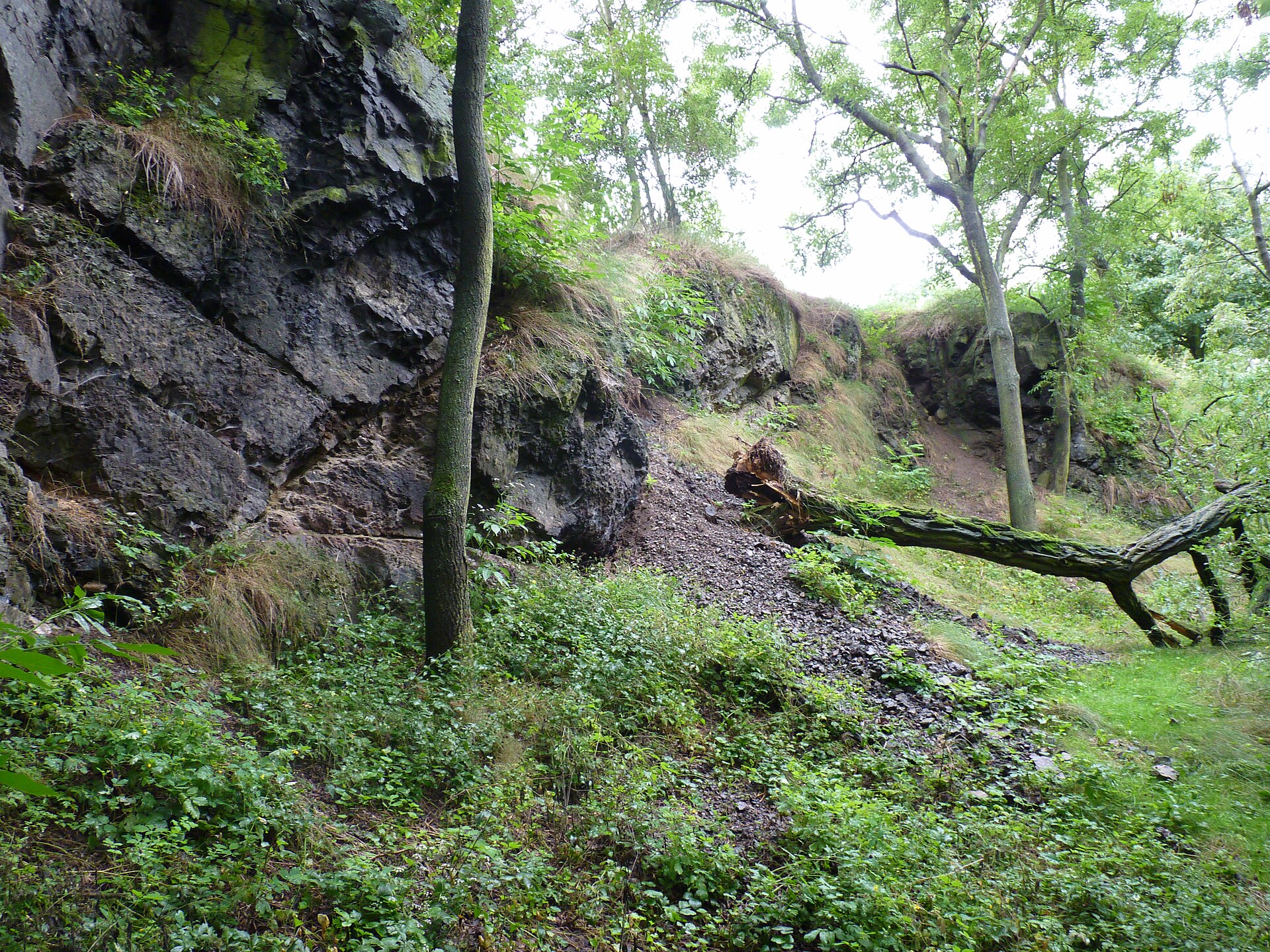
The core reason for protection is a patch of flowering beech forest hosting a notable population of daphne mezereum (mezereon), a highly poisonous shrub known for its pink blossoms that appear in early spring before the leaves unfold. A survey conducted in 2003 counted around 120 individual shrubs within the reserve and its immediate surroundings.
The site is also significant for its fungal diversity — more than 15 species found here are listed on the Czech Red List of threatened fungi, making the forest an important refuge for rare mycological life alongside its botanical value.
What is special about the geology here?
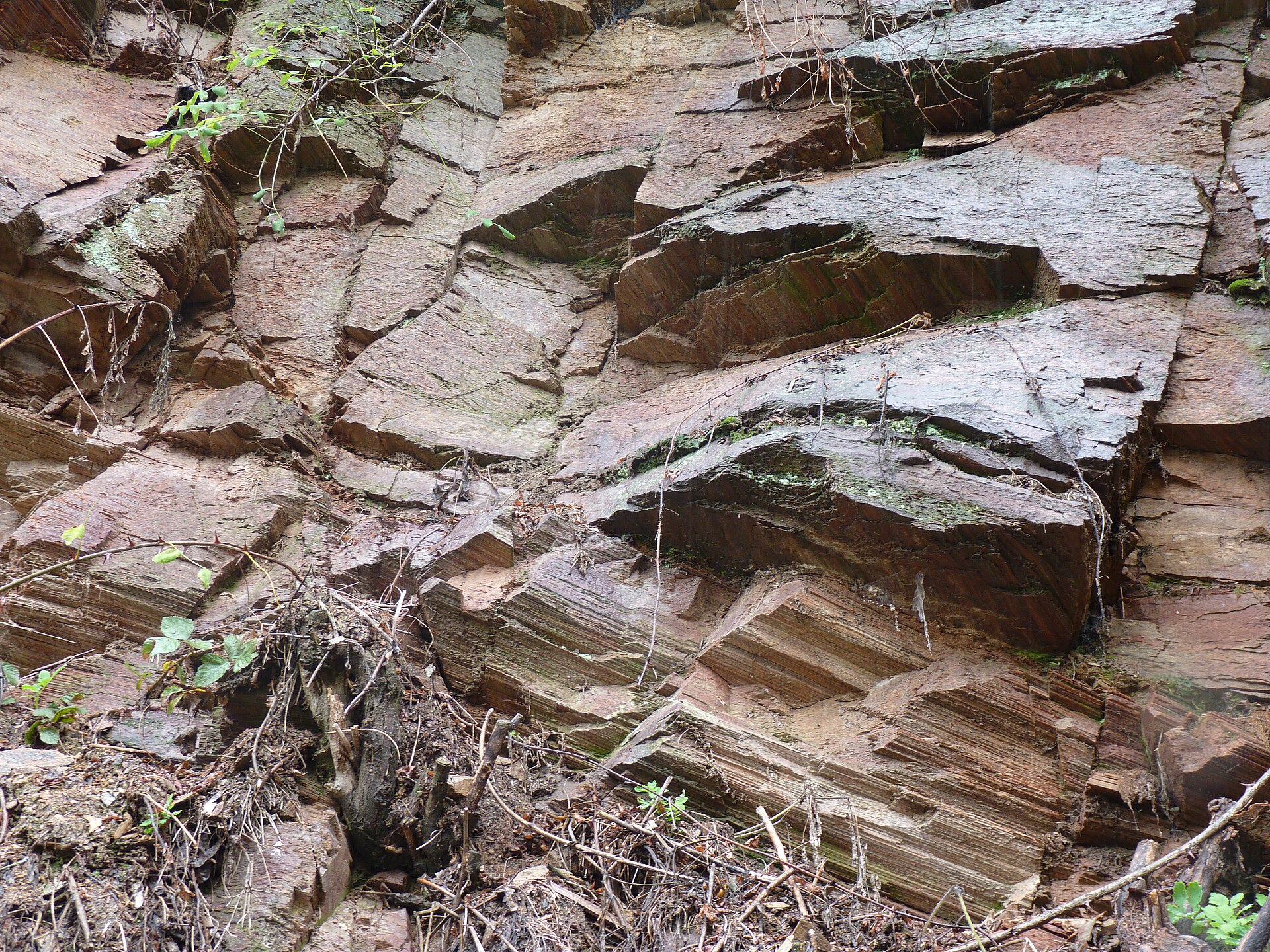
The bedrock of the reserve consists of dolomitic marble, formed through the metamorphism of limestone and dolomite, with paragneiss, amphibolite and granite also present in the surrounding area. In the 19th century, marble was quarried in the north-western part of the site, and traces of these old workings can still be found today.
The wider area also has a longer history of metal mining. Nearby lay the polymetallic Malovidy deposit, from which galena (lead ore), sphalerite (zinc ore) and tetrahedrite — a mineral that can contain silver — were once extracted. Silver mining was historically an important economic activity in this stretch of the Posázaví region.
Which animals rely on this small reserve?
At the northern edge of the protected area lies a former drainage adit (mining tunnel), which today serves as an important shelter for bats. The stable temperature and humidity inside the underground passage make it a valuable hibernation and resting site for several bat species living in the region.
Where exactly is Na Stříbrné located?
The reserve lies immediately next to Český Šternberk Castle, dramatically perched above the Sázava River. Its approximate coordinates are 49.816 N, 14.945 E. The site is registered under classification number 569 and falls under IUCN category IV, meaning it is managed specifically for the conservation of particular species or habitats.
Frequently asked questions
Can visitors pick the daphne mezereum growing here? No — every part of the plant is highly toxic, and the entire area is legally protected, so picking any vegetation is prohibited.
Are there marked hiking trails through the reserve? The reserve is very small and exists primarily for conservation purposes, so visitors should move carefully and respect the nature-protection rules in place rather than expect a developed trail network.
Why is the old mining adit important for wildlife? The abandoned underground passage provides a stable microclimate that bats use for winter hibernation and daytime shelter, making it one of the reserve's most valuable wildlife features.
How does the reserve connect to the region's mining history? The presence of marble and the nearby polymetallic Malovidy deposit meant that the area around Český Šternberk was historically mined for metal ores, including silver, leaving traces still visible in today's landscape.
Nearby places

Earn badges for the places you visit
Download NextOnTrip, discover new places and check off your trails.