About this place
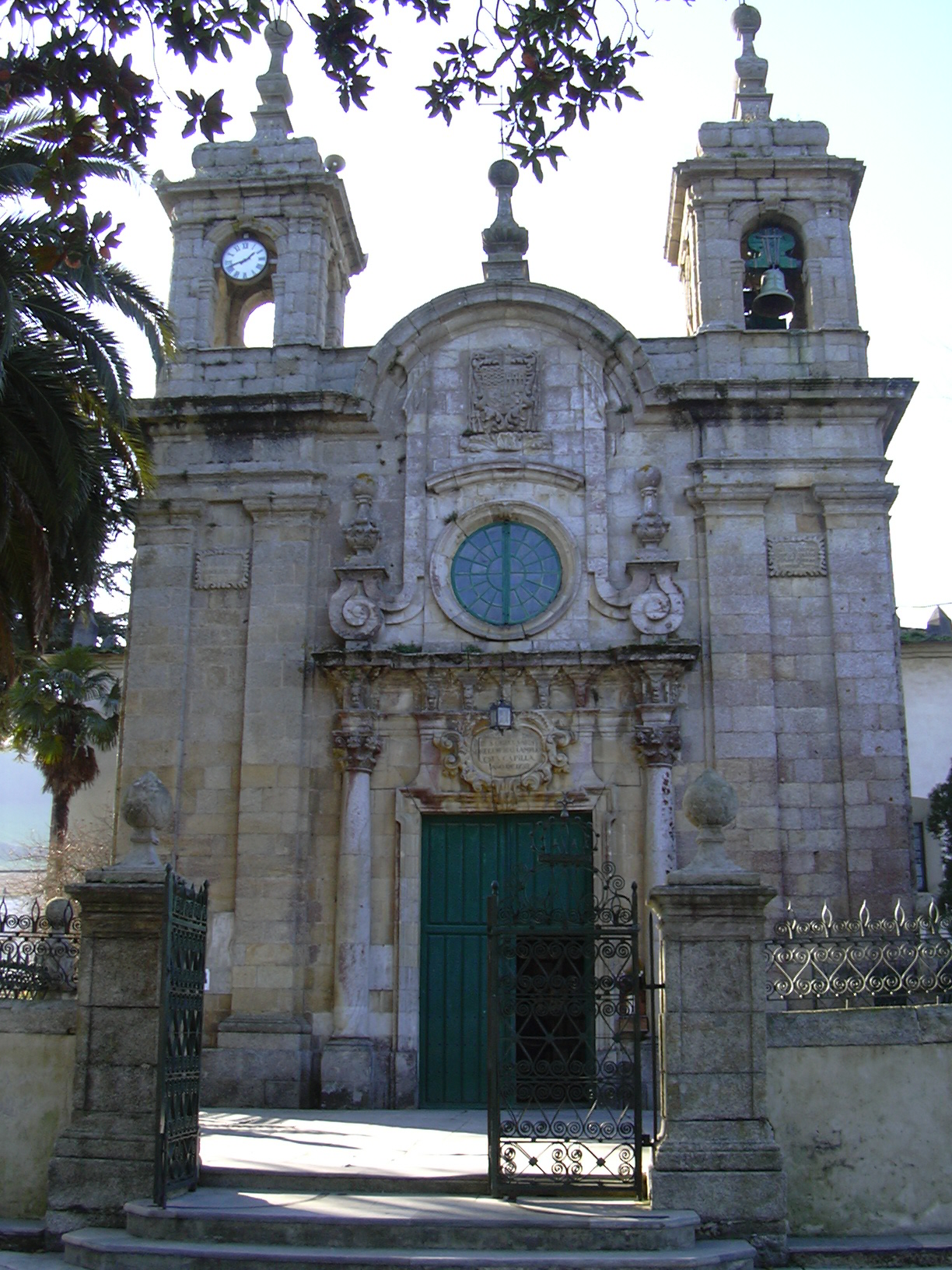
Museo Parroquial de San Martiño de Mondoñedo is a small parish museum in Foz, in the province of Lugo, attached to one of Galicia's oldest churches — the basilica of San Martiño de Mondoñedo. Despite the name recalling the nearby town of Mondoñedo, the church and its museum actually stand within the municipality of Foz, on the A Mariña Lucense coast.
How do you get there?
The site sits away from the main tourist circuits, which is part of its charm — visits tend to be quiet and unhurried. The easiest approach is by car from Foz or Lugo along local roads that wind through the rural hinterland of the coast. The nearest sizeable town is Foz itself, just a few minutes' drive from the church and museum. It pairs well with a broader trip along the A Mariña coastline, since the route crosses some of Galicia's most scenic farmland.
What will you see?
At the heart of the site is the basilica, considered one of the oldest surviving churches in Spain. Its roots go back to a modest 10th-century building, itself raised over an even earlier pre-Romanesque monastic settlement from the 9th century. According to tradition, the site is linked to Christians who fled the Roman province of Britannia in the 6th century and settled in this area, giving rise to the region later known as Bretoña. By the 9th century the settlement held a double episcopal seat, uniting the community of Britons with the former diocese of Dumio.
The building as it stands today was largely raised in the final quarter of the 11th century and the early 12th century: a three-nave church with a transept and three semicircular apses, showing mature Romanesque forms layered over the earlier pre-Romanesque structure. The façade dates from the 12th century. Until the early 1100s, the church served as the cathedral and episcopal seat of the diocese of Mondoñedo — it was only by order of Queen Urraca that the bishopric relocated to the present-day town of Mondoñedo, after which the Foz church retained its status as a parish.
Inside the basilica and in the parish museum, visitors can see surviving wall paintings from the 14th and 15th centuries — some of which scholars regard as among the oldest Romanesque murals preserved in Galicia. Of particular note is a depiction of the Tree of Jesse, considered the oldest surviving example of this iconographic motif in Spain. The museum also gathers liturgical objects and furnishings tied to the parish's long history, offering insight into how a small rural church once stood at the centre of an episcopal see.
When should you visit?
Spring and early autumn are the best times, when the weather along the A Mariña coast is mild and visitor numbers are lower than in summer. It's worth checking the museum's opening hours in advance, since as a parish-run space it may keep limited hours or require arranging access with the parish beforehand.
Frequently Asked Questions
Is San Martiño de Mondoñedo located in the town of Mondoñedo? No. Despite the name referencing the historic diocese of Mondoñedo, the church and museum physically stand in the municipality of Foz, several kilometres from the town of Mondoñedo, to which the episcopal seat moved in the 12th century.
Why is this site sometimes called "the oldest cathedral" in Spain? Because until the early 12th century it served as the seat of a bishopric, before the office relocated to Mondoñedo on the orders of Queen Urraca — hence its traditional description as a former cathedral.
What is the main highlight inside? The medieval wall paintings from the 14th and 15th centuries, including a depiction of the Tree of Jesse regarded as one of the oldest of its kind in the country.
Is it worth combining with other sights nearby? Yes — the A Mariña Lucense region offers cliffs, beaches and rural landscapes, making the church and museum a natural stop on a longer route along the Lugo coastline.
Nearby places

Earn badges for the places you visit
Download NextOnTrip, discover new places and check off your trails.