About this place
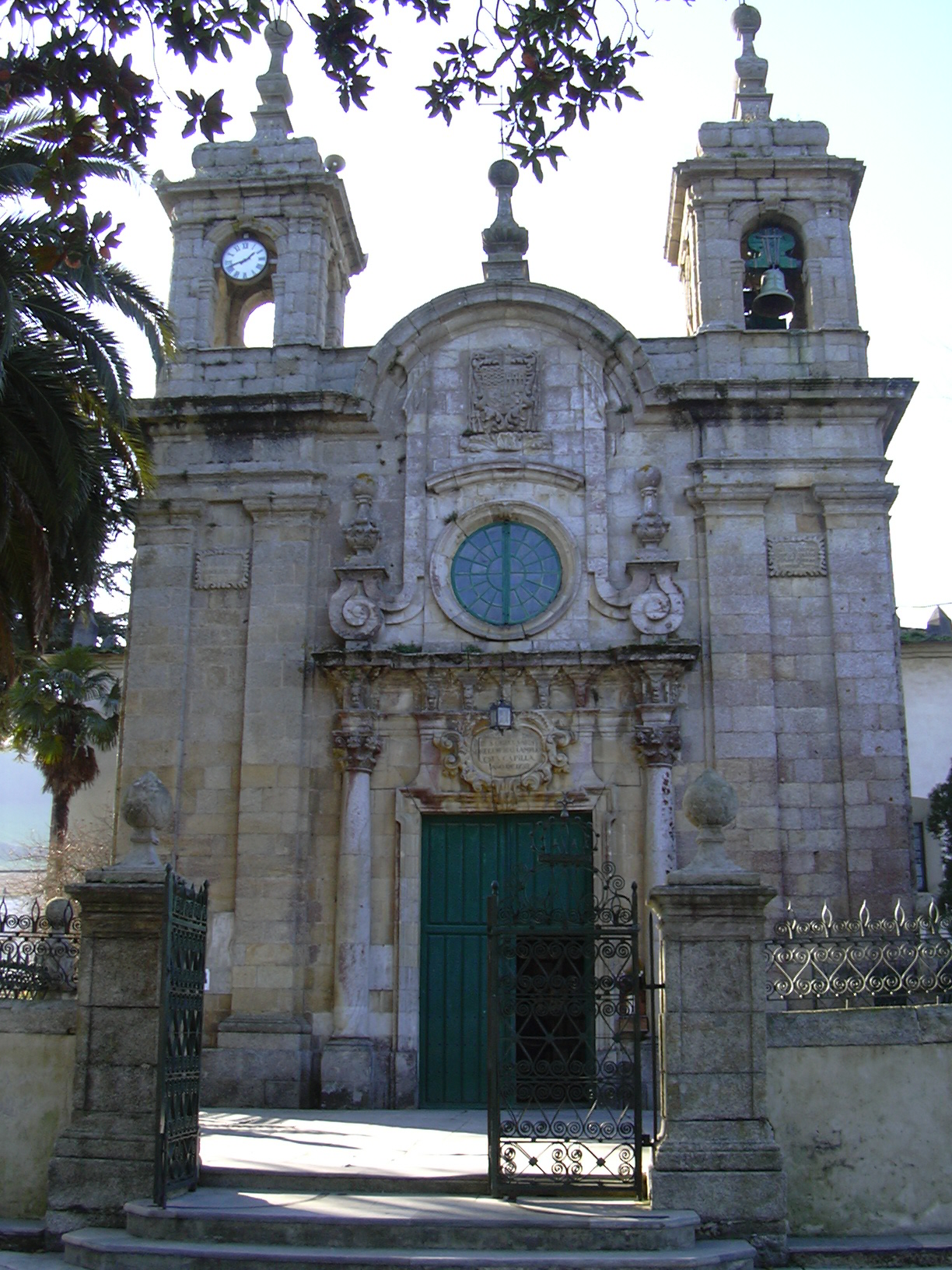
Igrexa de Santa María de Viloalle is a small rural parish church in Viloalle, part of the municipality of Mondoñedo, in the province of Lugo, Galicia. It sits on a slope overlooking the valley of the Masma River near its confluence with the Figueiras River, and its bell tower with a distinctive espadaña gable is visible from a distance to anyone heading toward nearby Mondoñedo.
How do you get there?
Viloalle lies just a few kilometres from the centre of Mondoñedo, a town famous for its Gothic cathedral and historic old quarter. The easiest way to reach the church is by car, following the local road that runs along the Masma valley — the building's elevated position makes it visible well before you arrive. Notably, the church stands directly on a branch of the Camino de Santiago: the maritime variant of the Camino del Norte, known locally as the Ruta Cultural das Catedrais. For pilgrims walking toward the cathedral in Mondoñedo, it functions as a recognisable landmark on this stretch of the route.
What will you see?
The current church building dates from 1924, built during the episcopate of Bishop Juan José Solís y Fernández. The parish of Viloalle only became independent relatively late — it split off from the parish of Santiago de Mondoñedo in 1895, having belonged to it for centuries before that. Before the present church was built, parish duties were carried out by a much older chapel dedicated to San Ramón, also known as the chapel of the Virxe da Pastoriza. That chapel dates back to 1726 and was founded by a local clockmaker, Francisco de Valoría — an unusual detail that ties the village's religious history to its craft traditions.
Next to the church stands an old parish cemetery, established in 1758 during a visit by Bishop Carlos Riomol y Quiroga on 14 April of that year. Enclosed by a tall stone wall, the cemetery has not been used for burials for many years, which has left it with a quiet, weathered character. It is arguably the spot where the long continuity of religious life in this small community is most tangible.
The parish of Viloalle itself is made up of six population entities: Cabana, Casal, Ferrería, Iglesia, Penamoura and Vilar, and it borders the parishes of Couboeira to the north, Nosa Señora dos Remedios de Mondoñedo to the south, Masma to the east, and Figueiras and Adelán to the west — a fairly typical example of the Galician parish system, where each parish functions as both a religious and an administrative unit.
When should you visit?
Spring and early autumn are the best seasons, when northern Galicia's mild climate makes for pleasant walks through the Masma valley and along the Camino del Norte. In summer, the area sees more foot traffic from pilgrims heading to Santiago de Compostela, which makes for good company on the trail but also means busier paths. In winter, the valley often turns misty and austere, giving the church a more contemplative atmosphere, though trail conditions can be demanding at that time of year.
Frequently asked questions
Is Igrexa de Santa María de Viloalle part of the Camino de Santiago? Yes. The church stands on the maritime variant of the Camino del Norte, along the route known as the Ruta Cultural das Catedrais, which leads pilgrims toward the cathedral in Mondoñedo.
How old is the church? The current building dates from 1924, but the site's religious history goes back much further, to the 1726 chapel of San Ramón, which served the parish before the present church was constructed.
Is there an old cemetery near the church? Yes, an adjacent cemetery dating from 1758 stands beside the church, enclosed by a stone wall; it has not been used for burials for a long time.
Which municipality does Viloalle belong to? Viloalle is a parish within the municipality of Mondoñedo, in the province of Lugo, Galicia, bordering several neighbouring parishes, including that of Mondoñedo itself.
Nearby places

Earn badges for the places you visit
Download NextOnTrip, discover new places and check off your trails.