About this place
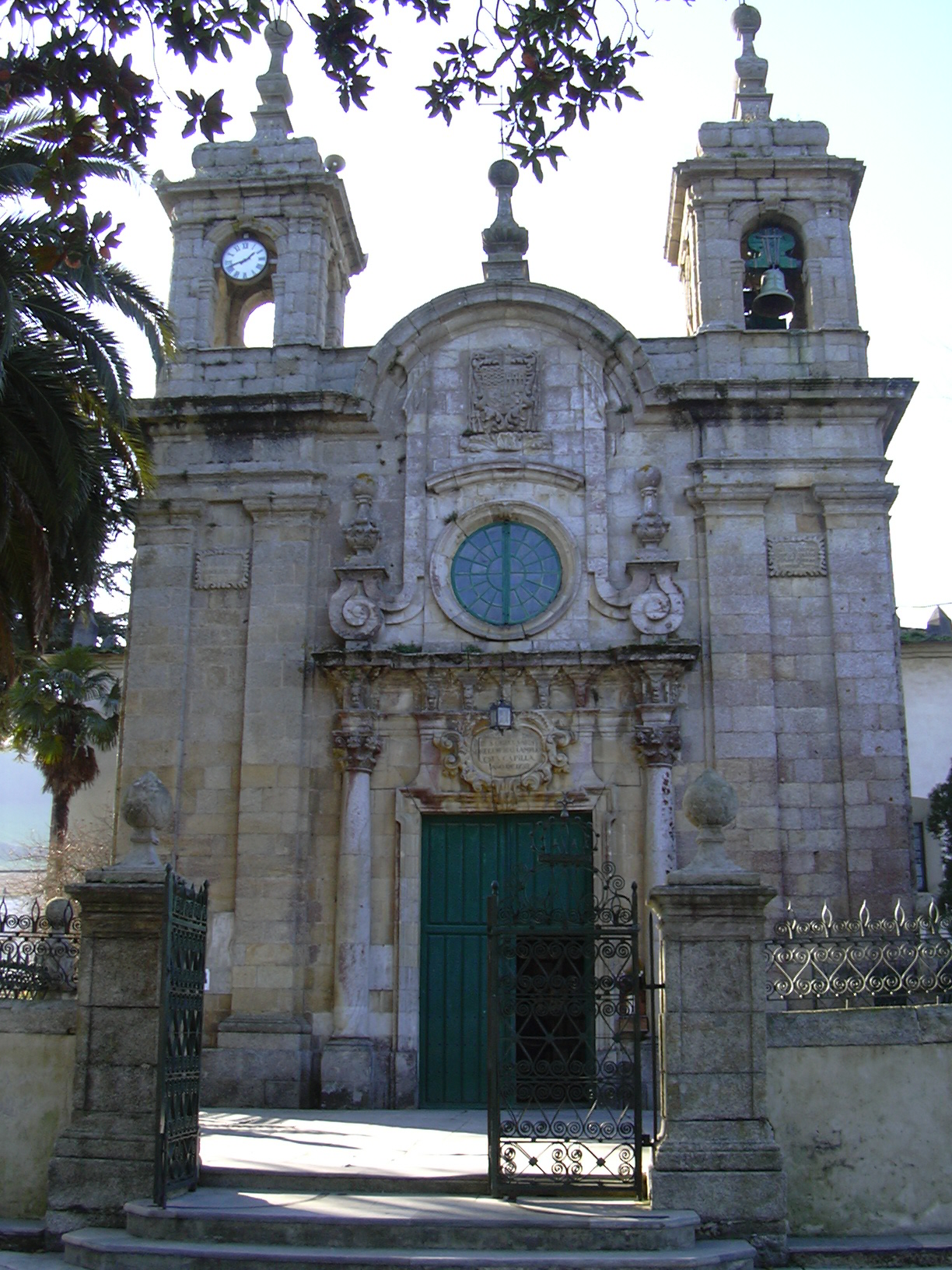
Monastery of San Salvador de Lourenzá is a Benedictine monastic complex in Vilanova de Lourenzá, the main town of the Lourenzá municipality in Lugo province, Galicia. It stands among the region's most significant baroque religious buildings and lies directly on the Camino del Norte, the northern branch of the Camino de Santiago.
How do you get there?
Vilanova de Lourenzá sits inland from the Rías Altas coast, roughly 20 minutes by car from the coastline and from the town of Mondoñedo. Driving is the easiest option, using local roads that connect Lugo with the coastal strip. Pilgrims walking the Camino del Norte pass through the town directly, on the stretch between Ribadeo and Mondoñedo. The nearest larger transport hubs are Lugo and Ferrol, from where you continue by local bus or taxi.
What is there to see inside?
The complex brings together a church, the former abbey building, several chapels, two cloisters and an inner courtyard. The church interior holds one of the richest collections of sacred art found along Galicia's network of Camino de Santiago routes, with altarpieces, paintings and sculpture accumulated across the monastery's history. Part of the old monastic library survives on site, holding around four thousand volumes that can still be viewed today. The monastery now houses the Museum of Religious Art, displaying liturgical objects, vestments and church furnishings gathered over the centuries. Inside the church, look for the stone sarcophagus: a Paleochristian piece from the 6th century, brought from Aquitaine, which holds the remains of the monastery's founder.
What is the history behind it?
The monastery was founded in the 10th century by Osorio Gutiérrez, known as the "holy count," who was buried after his death in that same early Christian sarcophagus. It began as a family-run religious foundation, then in the 12th century came under the authority of the Benedictine order, joining the Congregation of San Benito de Valladolid in the early 16th century. Most of the building standing today dates from the 17th and 18th centuries. Construction was begun in 1735 by the monk and architect Juan Vázquez de Samos and completed by Fernando de Casas y Novoa, the same architect behind the baroque façade of Santiago de Compostela Cathedral, the Obradoiro. That shared authorship is a large part of why the monastery is regarded as one of Galicia's key baroque landmarks. It was declared a historic-artistic monument in 1974.
When is the best time to visit?
Inland Galicia sees frequent rain for much of the year, so late spring through summer (May to September) offers the most reliable weather and longer daylight for exploring the complex. This is also when most pilgrims pass through Lourenzá on the Camino del Norte, bringing more activity to the town but also busier stretches around the monastery. Autumn and winter suit travelers who prefer a quieter visit without the pilgrim traffic.
Frequently asked questions
Who founded the monastery in Lourenzá? It was founded in the 10th century by Osorio Gutiérrez, known as the "holy count," who was later buried in the church inside a 6th-century sarcophagus.
What makes the building architecturally significant? The current structure is the work of two architects: Juan Vázquez de Samos, who began construction in 1735, and Fernando de Casas y Novoa, designer of the façade of Santiago de Compostela Cathedral. It ranks among Galicia's most important baroque monuments.
What can visitors see inside? A church with an extensive collection of sacred art, two cloisters, part of the old monastic library holding around four thousand books, and the Museum of Religious Art with the monastery's liturgical collections.
Is the monastery on the Camino de Santiago route? Yes. Vilanova de Lourenzá lies on the Camino del Norte, between Ribadeo and Mondoñedo, making the monastery a natural stop for pilgrims walking that route.
Nearby places

Earn badges for the places you visit
Download NextOnTrip, discover new places and check off your trails.