- City Parks
- Recreation and entertainment
Monsanto Park
About this place
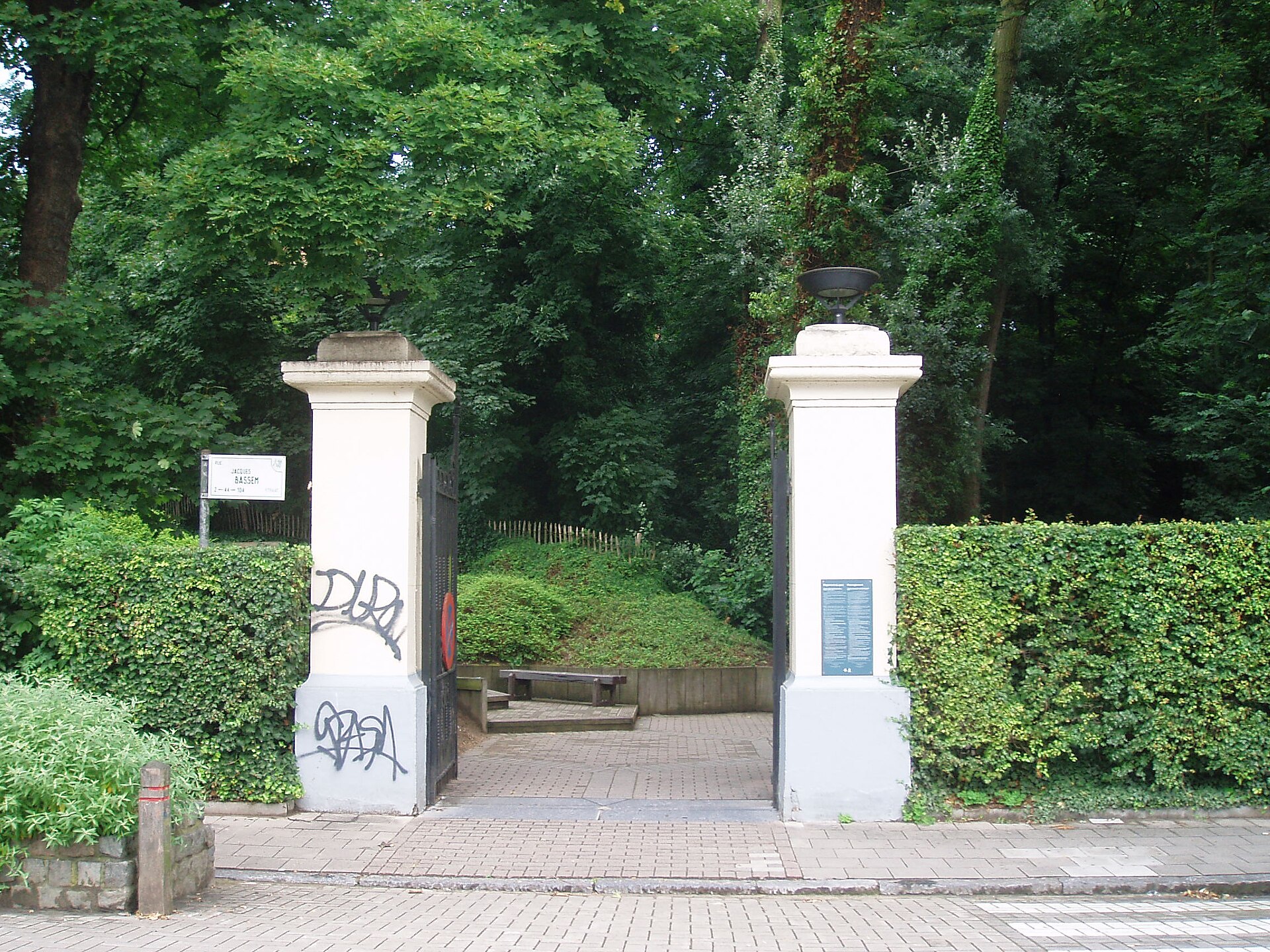
Monsanto Park (officially renamed Jardin des Franciscaines, or Garden of the Franciscans) is a small, intimate park in the municipality of Woluwe-Saint-Pierre in eastern Brussels, occupying the former grounds of a Franciscan convent. Although it received its new official name in 2017, locals still commonly refer to it by its older name, taken from the company that once controlled part of the land.
Where does the name Monsanto come from?
The site's history begins with a convent of Franciscan sisters, who owned a 75-are plot of land between Avenue de Tervueren and Rue François Gay. In 1973, the religious community sold this land to the municipality of Woluwe-Saint-Pierre, which in turn transferred it to the company Monsanto, whose offices were located nearby at number 270 on the same avenue. The condition of the transfer was that the lower part of the site would remain open to the public. This arrangement is the origin of the name under which the park was known for decades.
Why was the park renamed?
In recent years, the name "Monsanto" became increasingly controversial, as the company is widely associated with contested practices in the agrochemical and pesticide industry — a reputation many residents felt was at odds with a public green space. In 2014, the municipality launched a call for renaming proposals, inviting residents to suggest a new name. The park was eventually renamed Jardin des Franciscaines, honoring the Franciscan sisters who had owned and cared for the land for generations. The park was officially inaugurated under its new name, together with a new playground, in May 2017.
What can visitors see in the park?
The site received landscape protection status on 8 November 1972, even before it was transferred to Monsanto. Covering 75 ares, the park forms a harmonious blend of small woodland patches, grassy areas, and modest orchards. Its tree cover is dominated by Northern Red Oaks (Quercus rubra) and European beeches (Fagus sylvatica), species that give the park a distinctive, richly colored appearance, especially in autumn.
One notable feature is a grotto, which was given to the convent by the religious congregation as a gift to the Mother Superior for her silver jubilee, marking 25 years of service. It remains one of the few physical traces of the site's former monastic character, having survived despite changes in ownership and purpose over the decades.
Who is this place for?
Given its modest size, Monsanto Park is not a sprawling recreational area but rather a quiet green pocket tucked into a densely built, residential part of Woluwe-Saint-Pierre. It is well suited for a short walk, a rest under the trees, or letting children play on the playground opened in 2017. Thanks to its history and protected landscape status, the park also offers an interesting example of how former religious properties in Brussels have been transformed and reclaimed their identity over time.
Frequently asked questions
Are Monsanto Park and Jardin des Franciscaines the same place? Yes, they are exactly the same park — it was officially renamed from Monsanto to Jardin des Franciscaines (Garden of the Franciscans) in 2017, though the older name is still widely used.
Why was the site previously named after the company Monsanto? Because in 1973 the municipality transferred the land to Monsanto, whose offices were located nearby, on the condition that part of the site remain open to the public.
How large is the park? The park covers an area of 75 ares, making it a small, intimate green space.
What trees grow in the park? The park is dominated by Northern Red Oaks (Quercus rubra) and European beeches (Fagus sylvatica), along with small orchard areas.
Nearby places

Earn badges for the places you visit
Download NextOnTrip, discover new places and check off your trails.