About this place
The Monastery of Santa Catalina in Talavera de la Reina is one of the town's most valuable yet still under-visited monuments in Castile-La Mancha. Also known as San Jerónimo, the complex belonged to Hieronymite monks for centuries and is now slowly reopening to visitors after a long closure.
Why is it also called San Jerónimo?
The foundation goes back to the 14th century, when Archbishop of Toledo Pedro Tenorio intended the building for the canons of the nearby collegiate church of Santa María la Mayor. The clergy refused to move in, so the site was handed over instead to Hieronymite friars from the monastery of La Sisla — hence the alternative name. Over time the monks expanded the complex and turned it into one of the wealthiest religious houses in the city.
What can you see inside?
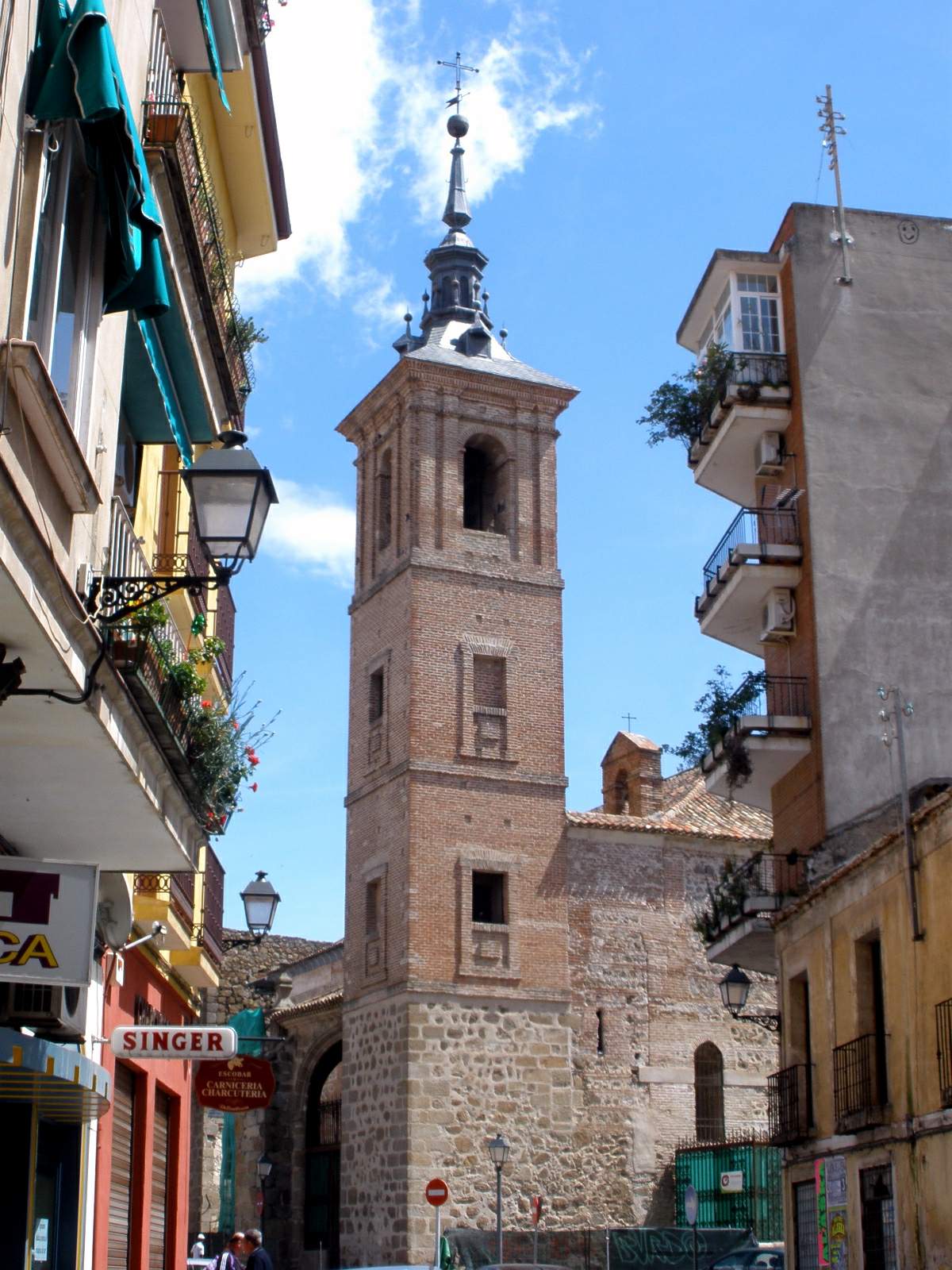
The centerpiece is the church of Santa Catalina, built in stages between the 15th and 17th centuries, which explains its mix of styles: Gothic-Mudéjar foundations sit alongside a Renaissance main chapel designed by architect Alonso de Covarrubias, plus later Herreran and Baroque additions. The real highlight is a spiral cantilevered staircase from 1551, built by master craftsman Guerra — a construction technique rarely found elsewhere in Spain. It climbs to the choir, where a 16th-century parchment songbook has survived, and continues up to a viewpoint known as the Mirador de la Reina, the "Queen's Viewpoint." From there you can see the Sierra de Gredos on one side, the Montes de Toledo on the other, and the Tagus river with its bridges below.
Besides the church and cloister, the complex includes the former House of the Canons. Part of the building now houses the town's Ethnographic Museum, which displays a former oil mill and tannery once run by the monastery.
What is the history behind it?
The monastery's story mirrors the turbulent history of Spanish religious orders. A first wave of secularization hit in 1821, during the Liberal Triennium; the monks returned briefly in 1823, only to leave for good in 1835 under Mendizábal's secularization decrees. The building then stood closed and neglected for decades, which eventually led to its inclusion on the Red List of Endangered Heritage kept by the Hispania Nostra foundation. After more than 40 years shut, it was restored and reopened to the public in 2018, alongside the neighboring Colegiata church.
How do you get there, and when should you go?
The monastery sits in the historic center of Talavera de la Reina, in Toledo province, close to the Tagus river — a convenient base for exploring the town's other landmarks, including its famous Talavera ceramics. Visits are often combined with the neighboring Colegiata, since both buildings reopened to the public together after restoration. It's worth checking current opening days and hours before visiting, as access to the interior is sometimes limited to specific days of the week.
Frequently Asked Questions
How is the Monastery of Santa Catalina different from the Colegiata in Talavera? They are two separate buildings in the town center that reopened to visitors around the same time after restoration — the Colegiata is the parish church, while Santa Catalina is the former Hieronymite monastery complex.
Can you climb the monastery's tower? Yes. A 16th-century spiral staircase leads up to a viewpoint called the Mirador de la Reina, offering views over the town and the surrounding mountain ranges.
Why was the monastery closed for so long? Secularization in the 19th century, culminating in Mendizábal's 1835 decrees, stripped the monks of the building. Decades of neglect followed, landing it on a list of endangered heritage sites before restoration finally began.
What else is there to see in the same complex? Part of the former monastery now houses the Ethnographic Museum, with a reconstructed oil mill and tannery that once operated on the site.
Nearby places

Earn badges for the places you visit
Download NextOnTrip, discover new places and check off your trails.