About this place
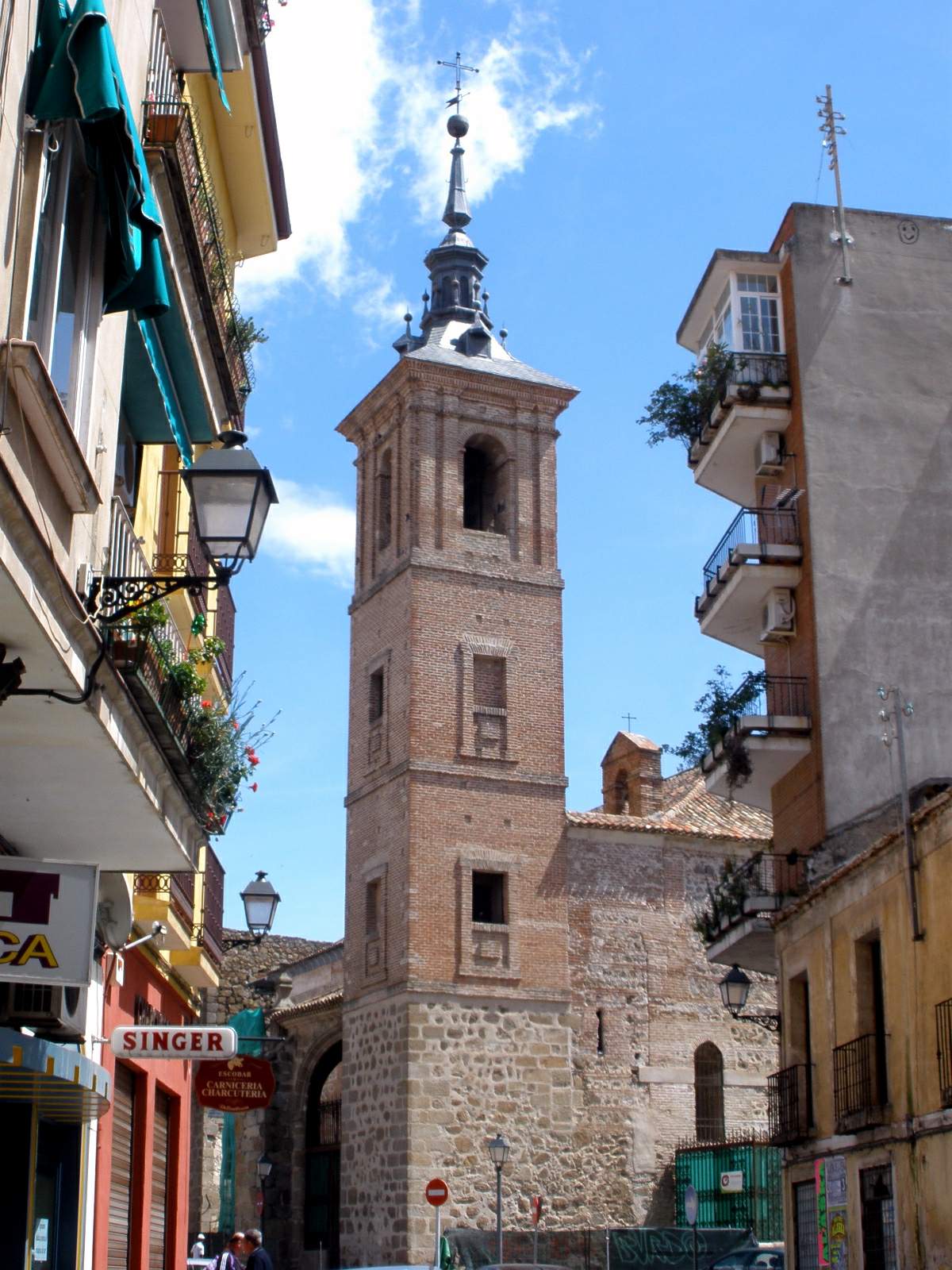
The Church of El Salvador (Iglesia de El Salvador, in full Iglesia de El Salvador de los Caballeros) is a Gothic-Mudéjar temple in Talavera de la Reina, one of the oldest surviving religious buildings in the town.
What is the history behind the church?
The earliest documented references to the building date back to 1145 and 1205, although its current structure took shape gradually from the 12th century onward. According to local tradition, the church was founded by Talaveran knights (caballeros), which is why it carries the additional name "de los Caballeros." A document from 1204 shows that the building also served as the seat of a Castilian tribunal, a place where justice was dispensed to residents under that jurisdiction. This overlap of religious and judicial roles was common in medieval Castilian towns, where parish churches often doubled as centers of public life for their district.
What does the church's architecture look like?
The building is built in Gothic-Mudéjar style, characteristic of the Toledo and Talavera de la Reina region, where Christian and Islamic brickwork traditions overlapped for centuries. Its most recognizable feature is the brick apse, decorated on the second and third tiers with interlacing arches forming narrow, lobed arcades — a typical Mudéjar decorative motif also found in other churches of the region.
How was the church expanded and altered over time?
The building underwent several rounds of expansion and modification. In 1487, Juan de Arévalo founded the Chapel of Las Nieves, adding a further element to the original structure. In 1570, thanks to a donation from Miguel Ruiz de Herrera, a Talavera native who had made his fortune in the Americas, a wooden coffered ceiling (artesonado) was built — a feature typical of Spanish Mudéjar architecture of the period. The spire on the church tower is the work of Vicente Beltrán, completed in 1783.
What is the church used for today?
The church was deconsecrated in 1981 and remained out of use for the following 34 years. After an extensive restoration, the building reopened its doors in 2015, this time as the El Salvador Cultural Center, run by the Talavera de la Reina town council. Today the space hosts exhibitions and cultural events while remaining one of the town's key examples of Gothic-Mudéjar architecture.
Why is it worth visiting the Church of El Salvador?
For anyone interested in Mudéjar architecture, this is one of the key examples of the style in Talavera de la Reina — a town best known for its ceramics but also home to a rich religious heritage. The conversion of the historic church into a cultural center means visitors can now enter a building that was inaccessible for decades and see the brick apse and coffered ceiling up close.
Frequently Asked Questions
Why is the church called "de los Caballeros"? According to tradition, the church was founded by Talaveran knights (caballeros), which is reflected in its full name.
Is the church still used for religious services? No. It was deconsecrated in 1981, and since 2015 it has operated as the El Salvador Cultural Center, managed by the Talavera de la Reina town council.
What is the most distinctive architectural feature? The brick apse, with its interlacing, lobed arches on the second and third tiers — a hallmark detail of Gothic-Mudéjar style.
How old is the church? The earliest references date to 1145 and 1205, with the structure built up from the 12th century onward and later additions from the 15th, 16th, and 18th centuries.
Nearby places

Earn badges for the places you visit
Download NextOnTrip, discover new places and check off your trails.