About this place
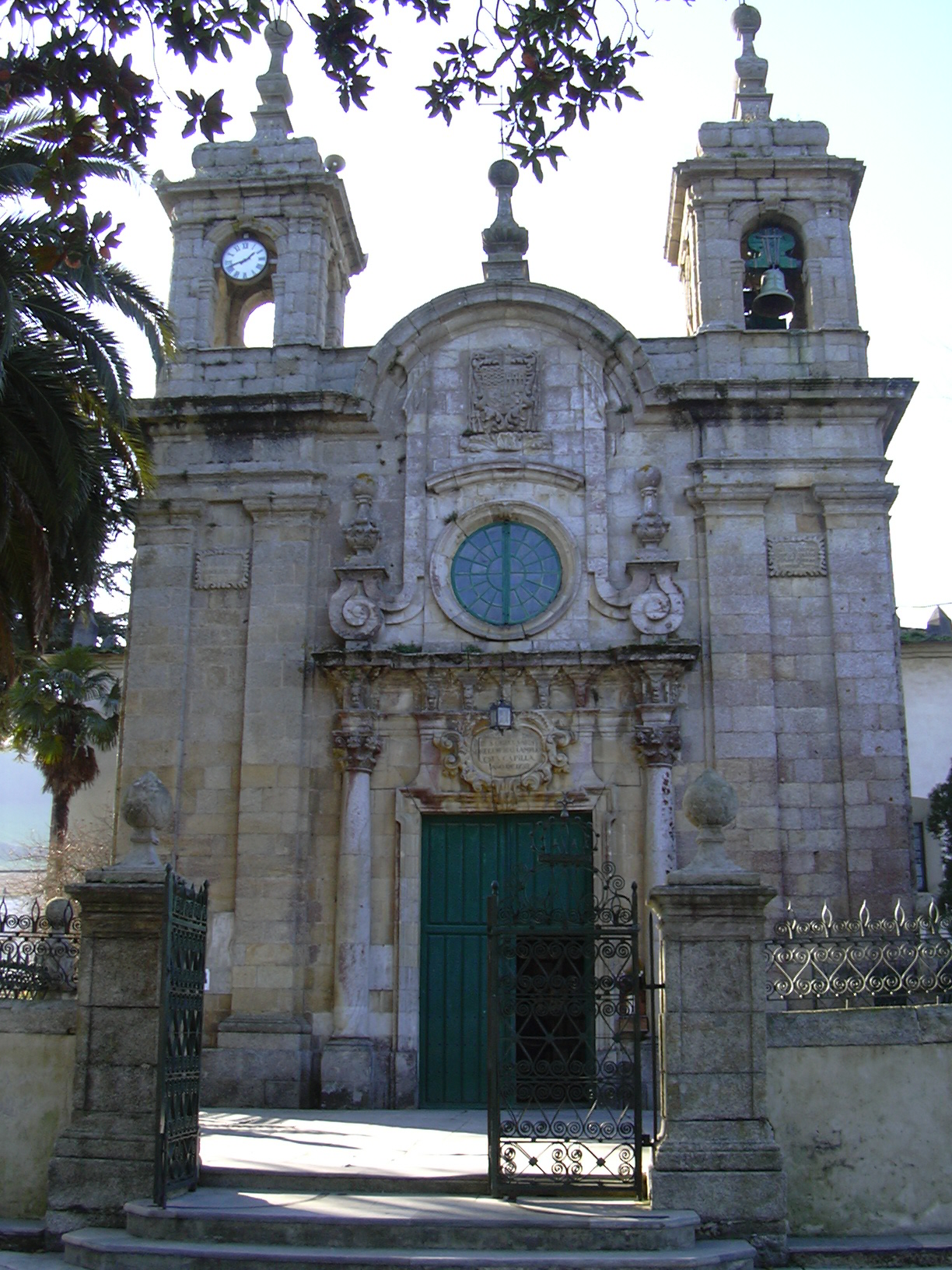
The Monastery of la Concepción is a 17th-century convent standing in the upper part of the old town of Viveiro, in the Lugo province of Galicia.
What is the history behind the monastery?
The stone building went up in the 1600s, commissioned by María de las Alas Pumariño, who became its founder and benefactor. Her tomb still lies inside the monastery church, one of the few interior spaces visitors can glimpse, since the complex remains home to a community of cloistered Conceptionist Franciscan nuns.
The convent follows a Renaissance layout, with a ground floor plus several upper stories. Behind the main building, an old orchard stretches back toward the town's historic walls and the Porta do Valado, one of Viveiro's old gates. Perched at the highest point of the old town, the monastery is one of the most visible landmarks on the city's skyline.
What will you see there?
The convent's façade sits directly across from the Romanesque apse of the Church of Santa María del Campo, creating one of Viveiro's most striking architectural contrasts — a plain Romanesque wall facing a Renaissance monastery front. Inside the church, a single nave covered by a barrel vault leads to a dome supported by four transverse arches over the chancel.
Outside, next to the convent, a grotto modeled on Lourdes in France was built in 1925, reflecting the Marian devotion popular in Spain at the time. It's a small extra stop worth including on a walk through the highest streets of the old town.
Why does this site matter historically?
Since 1982, the Monastery of la Concepción and its immediate surroundings have been listed as a site of cultural interest within Spain's catalog of historical heritage. That recognition covers both the building itself and its urban setting, right where the old defensive walls meet the oldest part of Viveiro.
How do you get there?
The monastery sits within Viveiro's walkable old town, so the simplest approach is on foot from the town center, heading uphill toward the upper streets. Because the resident community lives a cloistered life, access to the interior can be limited — it's worth checking locally for the church's current opening hours before planning a visit.
When is the best time to visit?
Spring and early autumn are the most comfortable seasons for exploring Viveiro's hilly old town, thanks to the region's mild Atlantic climate. Summer tends to be busier, as the wider Mariña Lucense coastal area draws more visitors during that season.
Frequently asked questions
Can visitors go inside the monastery? Access is mainly limited to the monastery church, since the cloistered areas are the nuns' living quarters. It's best to check locally for current opening hours.
Who founded the monastery? María de las Alas Pumariño, whose tomb is inside the monastery church.
When was the building constructed? It was built in the 17th century, in stone, in a Renaissance style.
What stands out about its surroundings? The contrast with the Romanesque apse of the Church of Santa María del Campo across the street, and the 1925 Lourdes grotto next to the convent.
Nearby places

Earn badges for the places you visit
Download NextOnTrip, discover new places and check off your trails.