About this place
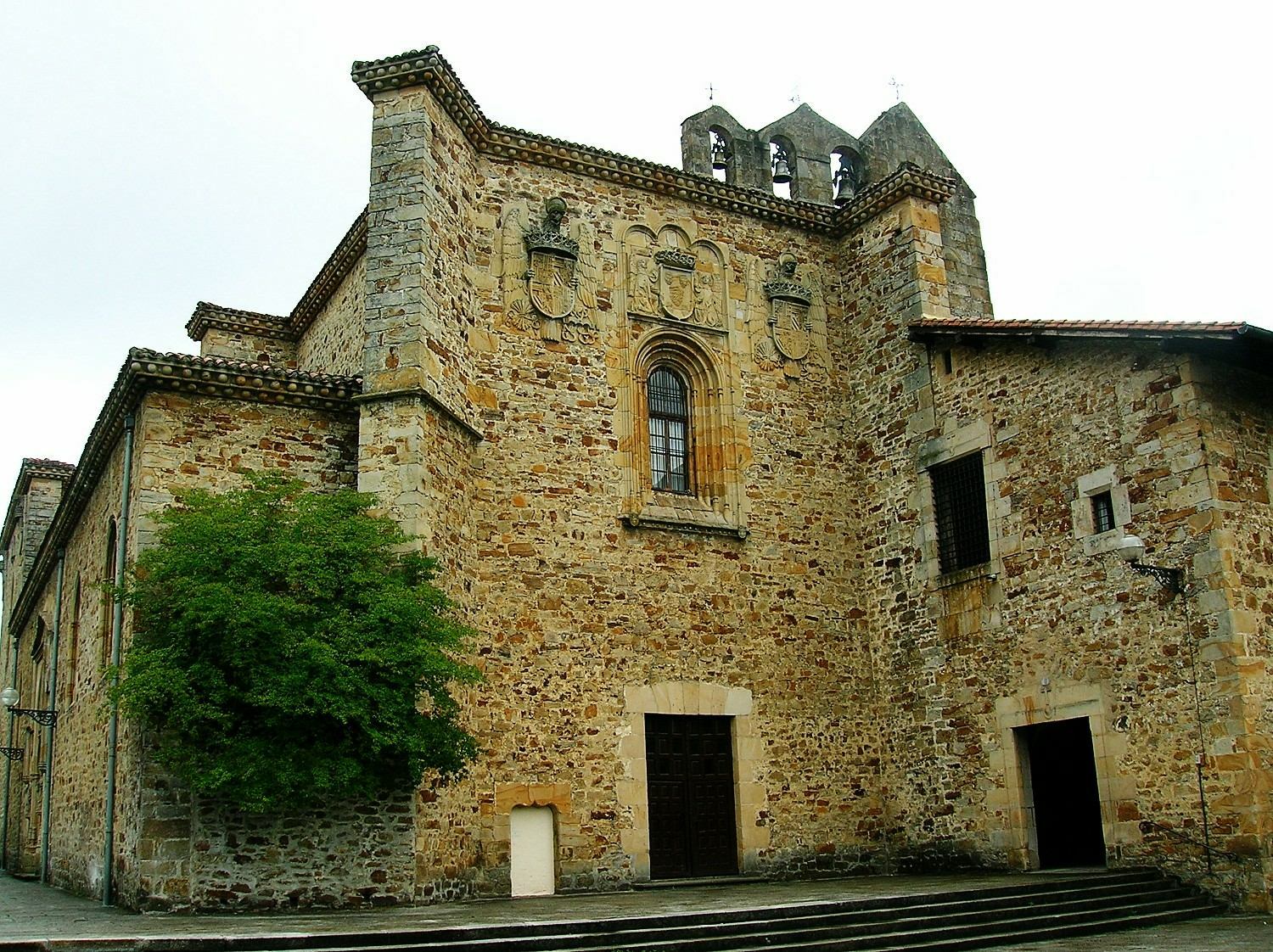
The Monastery of Bidaurreta is a historic convent complex in Oñati, in the Basque Country, sitting just outside the town's old center.
Who founded the monastery, and when?
The founders were Juan López de Lazarraga, a nobleman from Oñati who served as a trusted secretary at the court of the Catholic Monarchs, and his wife Juana de Gamboa. They established the monastery in 1510, intending it as their own burial place. Lazarraga was born in Oñati in 1440 and died in Madrid in 1518; the confidence he earned at the Castilian royal court gave him the standing to fund a religious institution of real significance for the region. Bidaurreta holds the distinction of being the first women's convent founded in Gipuzkoa, which places it at the start of an entire chapter of monastic history in this part of the Basque Country.
What architectural styles show up in the building?
The complex blends three artistic periods — Gothic, Mudéjar, and Renaissance — with Renaissance elements dominating the overall character. The most valuable feature inside is a plateresque altarpiece, arranged on two levels and dated to 1533, carved by Juan de Olazaran, a woodcarver born in Oñati. Chronologically, it is considered one of the earliest Renaissance works produced in Gipuzkoa, which adds considerable historical and artistic weight to the whole complex. The church's main altarpiece takes a completely different direction: built between 1751 and 1753 in a Baroque style already leaning toward Rococo, its wooden structure was left ungilded, giving it a plainer, more restrained look than the heavily gilded altarpieces typical of that era.
Is the monastery still in use by nuns today?
Yes, Bidaurreta remains an active religious community. The building is home to cloistered nuns of the Poor Clares (Franciscan) order, which means part of the monastery stays off-limits to visitors — this is a working place of prayer and monastic life, not simply an architectural monument. That unbroken continuity of purpose, from its founding to the present day, is unusual among similar buildings in the region and is one reason the site has kept so much of its original character.
What unusual discovery was made at the monastery?
In 2008, the oldest known plan of Seville Cathedral was found among Bidaurreta's archives. The discovery drew attention from architectural historians and conservators, since it provided fresh evidence about the early construction phases of one of the world's largest Gothic cathedrals. The fact that a document of this importance survived inside a small monastery on the opposite end of the Iberian Peninsula says a great deal about how important a religious and cultural archive Bidaurreta has been over the centuries.
Visitors to Oñati should set aside time to view the monastery from the outside and, access permitting, step into the church section to see both altarpieces described above. It pairs well with a visit to the town's historic center, known for its university and its concentration of religious landmarks.
Frequently Asked Questions
Where is the Monastery of Bidaurreta located? In Oñati, in the province of Gipuzkoa, in the Basque Country, northern Spain.
Who founded the monastery? Juan López de Lazarraga and his wife Juana de Gamboa, in 1510.
What architectural style dominates the monastery? Renaissance, though Gothic and Mudéjar elements are also present.
Can visitors tour the monastery? The building is inhabited by cloistered nuns, so access to the interior can be limited — it's worth checking locally before visiting.
Nearby places

Earn badges for the places you visit
Download NextOnTrip, discover new places and check off your trails.