About this place
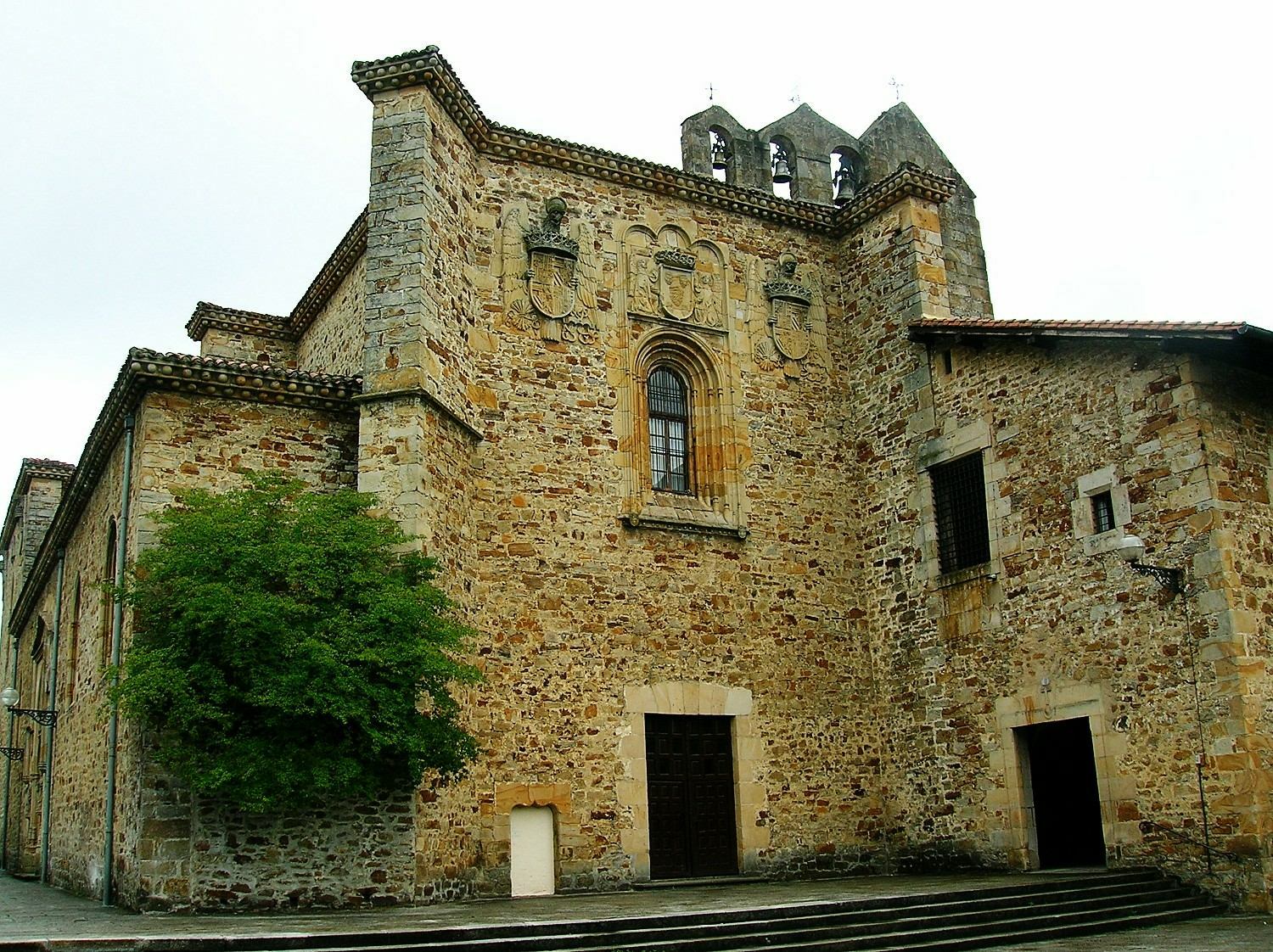
Convent of Santa Ana, in the Basque town of Oñati, is a 16th-century religious complex that has quietly shifted from convent life into the everyday cultural life of the town.
How to get there?
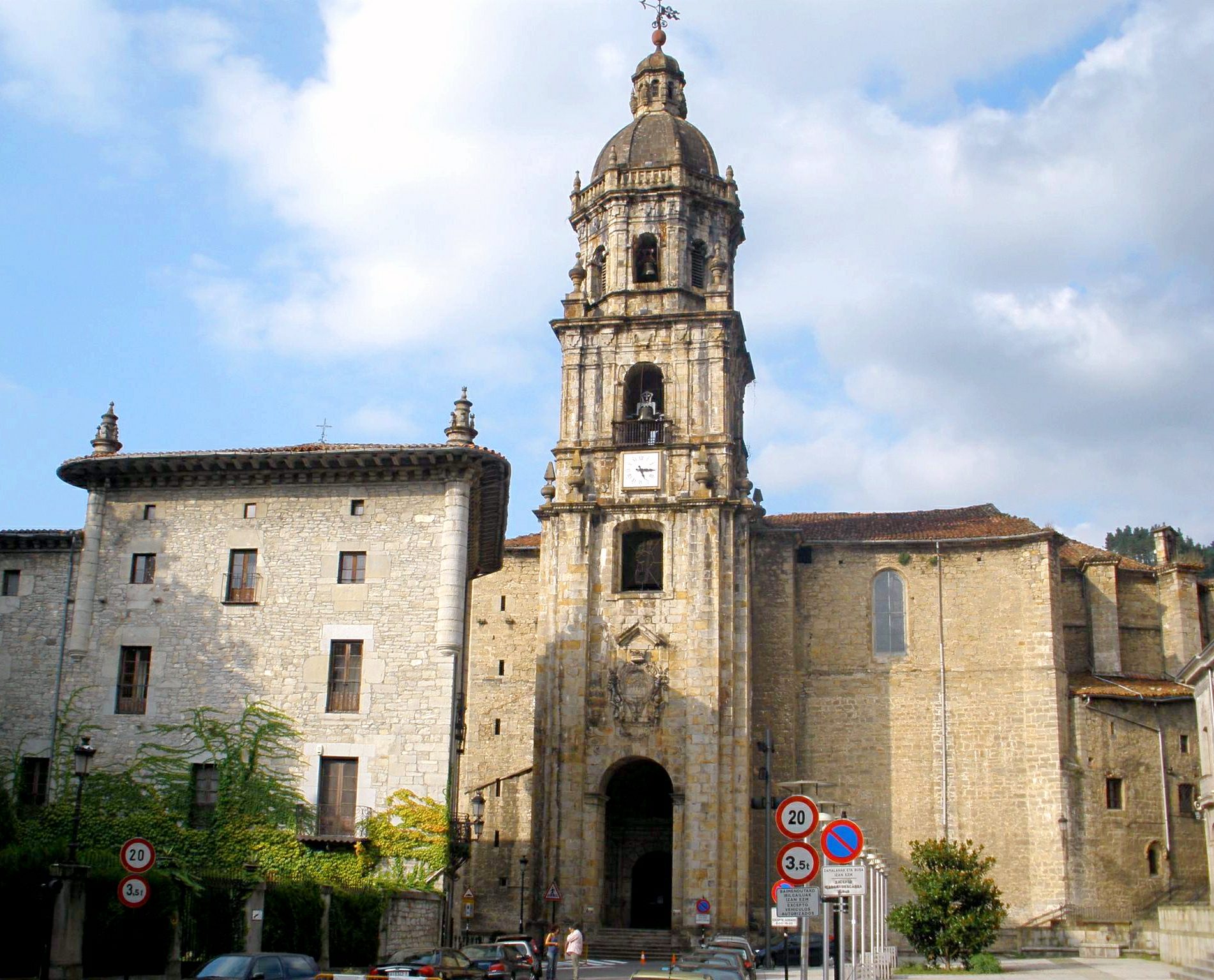
Oñati sits in the province of Gipuzkoa, in the Basque Country, roughly 45 minutes by car from both San Sebastián and Vitoria-Gasteiz. The town is known for its old quarter (Casco Histórico), where Renaissance townhouses stand alongside the church of San Miguel and the former university building of Sancti Spiritus. The Convento de Santa Ana sits right in this historic core, so the easiest approach is to drive or take a regional bus into central Oñati and cover the rest on foot — the old town is compact, with its landmark buildings only a few minutes' walk apart.
What will you see?
The convent was founded in 1500 by Domingo de Verganzo, his wife María de Ocáriz, and a group of other benefactors. It became the first beaterio in all of Gipuzkoa — a community of laywomen living a religious life without taking formal monastic vows.
The convent church was built in the Baroque style on a Latin-cross floor plan, with a barrel-vaulted ceiling and lunettes marking the points where the arches meet. A two-tier Baroque bell tower crowns the building, raised in the 17th century alongside the rest of the church.
Inside, the main altarpiece draws the eye: built in a classical, Greco-Roman style, it centers on a statue of Saint Anne attributed to the sculptor Gregorio Hernández. The altarpiece itself dates to 1660–1662, designed by Juan de Sagués with sculptural work by Martín de Zatarain — both craftsmen from nearby Tolosa. The old refectory still holds the pulpit from which Saint Francis Borgia is said to have delivered his spiritual talks, one of the more concretely documented traces of his presence in the region.
Today the building serves a secular purpose: it houses the Basque-language school Ikastola Txantxiku, while the former chapel now works as the town's theatre and cinema venue, hosting Oñati's cultural events.
When should you visit?
Spring and early autumn are the best times to explore Oñati, when Basque Country weather is mild and visitor numbers are lower than in summer. Since the former chapel now functions as a performance venue, it's worth checking the local cultural calendar before a visit — catching a play or a film screening there is one of the few ways to actually step inside the building rather than just admiring it from the street.
Frequently asked questions
Can you go inside the Convent of Santa Ana? The building is currently used by the Ikastola Txantxiku school, so access to the interior depends on the school's schedule and on cultural events held in the former chapel.
Who founded the convent, and when? It was founded in 1500 by Domingo de Verganzo and his wife María de Ocáriz, together with other benefactors, establishing the first beaterio in all of Gipuzkoa.
What is the most notable artwork inside the church? The Baroque main altarpiece from 1660–1662, centered on a statue of Saint Anne attributed to Gregorio Hernández — considered one of the region's significant pieces of religious sculpture.
What is the building used for today? Besides housing a Basque-language school, the former chapel now operates as the town's cinema and theatre, blending Baroque-era architecture with Oñati's present-day cultural life.
Nearby places

Earn badges for the places you visit
Download NextOnTrip, discover new places and check off your trails.