About this place
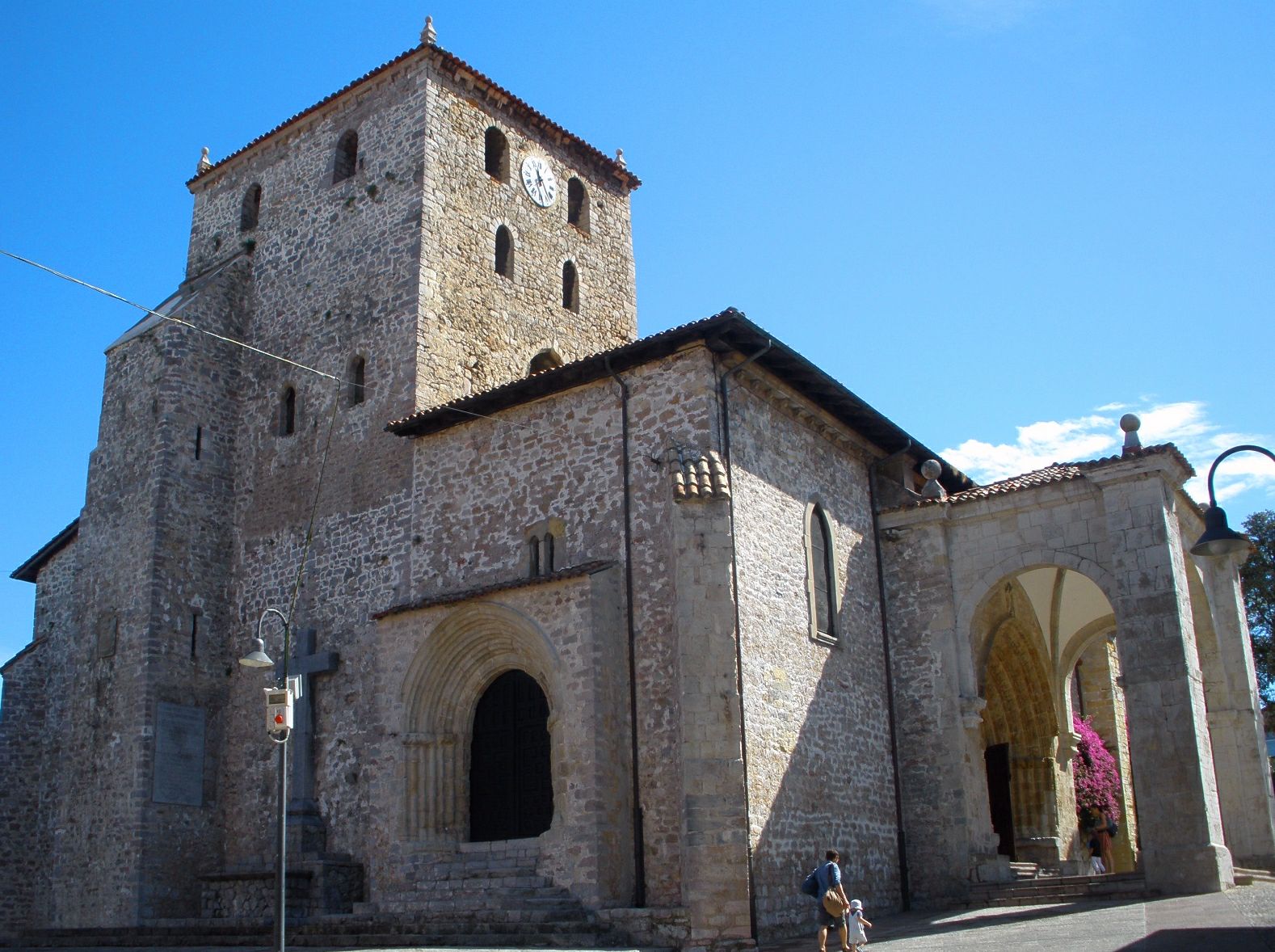
Monasterio de San Salvador is a former Benedictine monastery in Celorio, a small village in the municipality of Llanes, on the Cantabrian coast of Asturias. The building sits on a clifftop directly above the local beaches, at a point long crossed by pilgrims walking the Camino de Santiago.
What is the history behind the monastery?
The monastery was founded in the 11th century by the Asturian nobles Alfonso Suárez and his wife Cristilde. Its first documented abbot, Pedro Suárez, appears in records as early as 1112, showing that the community was already well established by then. Through donations and land acquisitions, the monastery built up considerable wealth across the 13th and 14th centuries, becoming one of the more important religious houses on this stretch of coast.
Decline set in during the 15th century, and it was only reversed in 1531, when the monastery joined the Benedictine Congregation of Valladolid. The following centuries brought a slow but permanent end: the building was occupied by troops during the Peninsular War against Napoleon, and in 1835 Spain's nationwide dissolution of religious orders closed the community for good.
What happens at the monastery today?
After passing into private ownership, the property was bought by the Jesuits in 1919, who still own it today. It now operates as a retreat house (casa de ejercicios), hosting spiritual retreats and courses, while also renting out space for both religious and secular gatherings. The building is a living, working site rather than a museum ruin, so access to the interior depends on the retreat house's current schedule.
What can you see around the monastery?
The setting is the main draw: the monastery stands on a cliff overlooking the sea, with a viewpoint next to the building that opens onto a wide panorama of the coastline. At the foot of the cliff lie two of Celorio's town beaches, Palombina and Las Cámaras, both known for white sand and the rocky outcrops typical of this part of the Cantabrian coast.
At low tide, Las Cámaras beach connects directly to Playa de los Curas (also called Playa de los Frailes), which takes its name from the monks who once used this stretch of shore to reach the sea without walking through the village. The same coastal path forms part of the Camino de Santiago route, which continues south past the monastery grounds.
How do you get to the monastery?
Celorio lies a few kilometres west of central Llanes, the main town in this part of Asturias. The easiest way there is by car or the local bus connecting Llanes and Celorio, a ride of around fifteen minutes. From the village parking area, both the monastery and the beaches are within easy walking distance.
When is the best time to visit?
The monastery and beaches can be visited year-round, but summer (June to September) is the most practical season, since good weather lets you pair a visit with a swim in the sea. Spring and early autumn suit travellers who prefer fewer crowds and quieter views from the cliff.
Frequently asked questions
Can you go inside the monastery? The building operates as a Jesuit-run retreat house, so interior access depends on the current schedule of retreats and events — it's worth checking ahead of a visit.
Are there beaches near the monastery? Yes, Palombina and Las Cámaras beaches sit directly below the cliff, and Playa de los Curas becomes accessible at low tide.
How far is the monastery from central Llanes? Celorio, where the monastery stands, is a few kilometres west of Llanes town centre, roughly a fifteen-minute drive or bus ride.
Is the monastery connected to the Camino de Santiago? Yes, the building has long stood along the pilgrimage route to Santiago de Compostela and once offered shelter to pilgrims passing through.
Nearby places

Earn badges for the places you visit
Download NextOnTrip, discover new places and check off your trails.