About this place
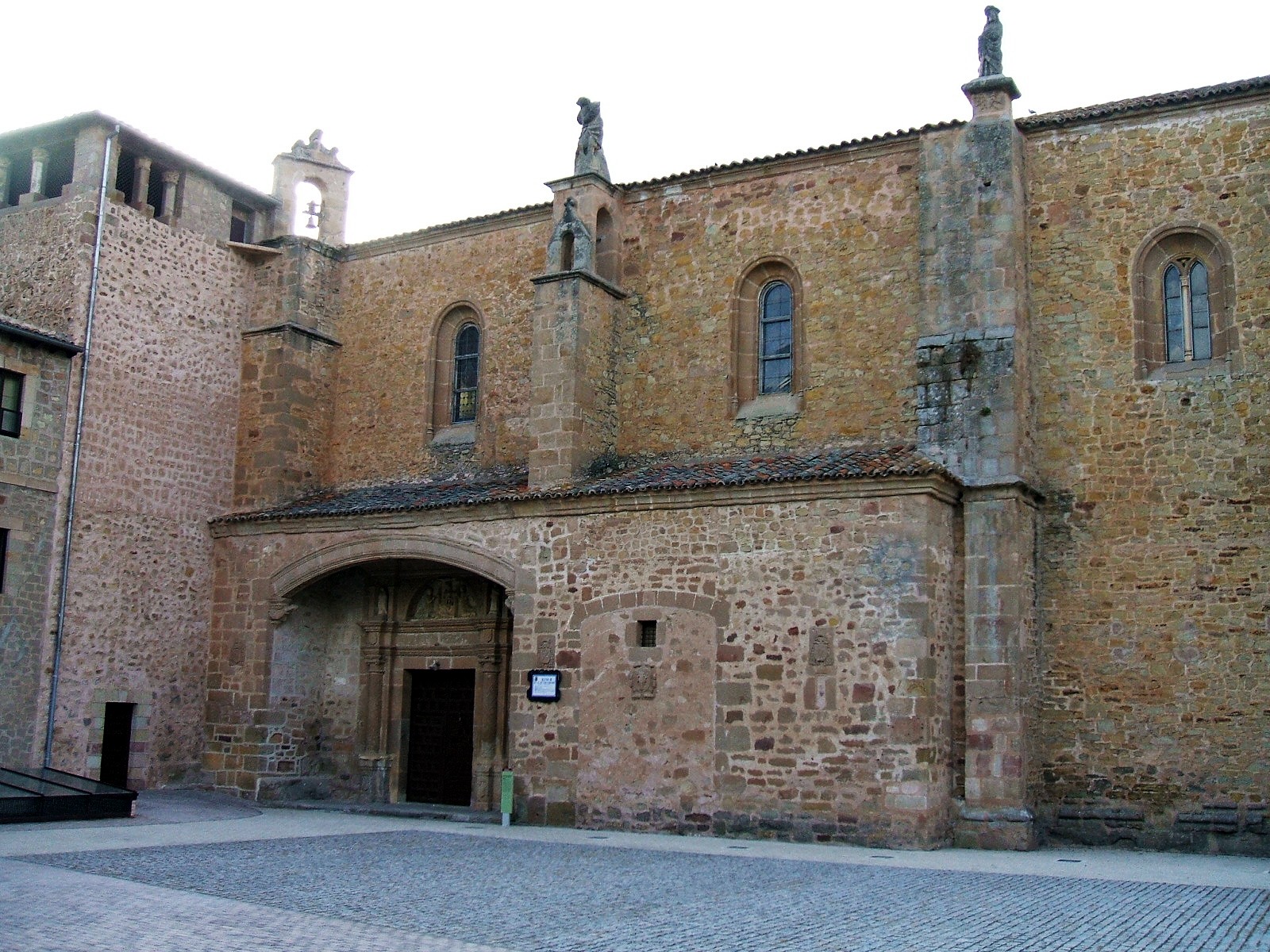
Monasterio de San Blas is a historic Dominican convent linked to the town of Cifuentes, in the province of Guadalajara, in the Alcarria region. Few visitors today associate the name with a single standing building nearby, yet its story goes back to the mid-14th century and is tied to one of the most colorful figures of medieval Castile.
Who founded the convent, and when?
In 1346, Infante Don Juan Manuel — a Castilian nobleman, grandson of Ferdinand III, and one of medieval Spain's most notable writers, later celebrated as the author of a landmark collection of moral tales — founded a Dominican convent for nuns known as San Blas del Tovar. He chose to build it beside a chapel dedicated to Saint Blaise, raised on the spot where tradition placed the saint's martyrdom. To give the foundation proper standing, Juan Manuel secured two papal bulls from Pope Clement VI: one formally approving the new convent, the other granting indulgences to pilgrims who visited the saint's tomb.
Where exactly did the original convent stand?
The first community settled near Gárgoles de Arriba, a village right next to Cifuentes, beside the chapel of Saint Blaise itself. Before the nuns arrived, local beatas — devout laywomen — had long cared for the relics and kept the saint's cult alive. The Dominican sisters took over that tradition and led a contemplative life there for most of the Middle Ages.
What happened to the convent afterward?
At some point the nuns left their original home near Gárgoles, and the site was occupied by monks for a time. The women's community then moved closer to the heart of local life, into the town of Cifuentes itself. That was not the end of the journey, though: not long after, the nuns of Tovar relocated much further away, to Lerma in the province of Burgos, where a grand new convent building was raised for them in the early 17th century. It is there, still under the name San Blas, that the community continues today.
Why does this history matter for visitors to Cifuentes?
Exploring Cifuentes and the neighboring villages of the Alcarria, it is worth knowing that one of Spain's historically significant Dominican convents traces its roots to this area — a community now mostly associated with Lerma, but born in the shadow of a local chapel dedicated to Saint Blaise. It is a good starting point for thinking about how noblemen like Juan Manuel helped shape networks of monasteries across the Castilian provinces, and about how some medieval religious foundations were surprisingly mobile, shifting location more than once over the centuries.
How to plan a visit to the area?
Cifuentes sits at the heart of the Alcarria, near the Cifuentes river, surrounded by the limestone hills and valleys typical of the region. It makes a good base for exploring nearby villages, including Gárgoles de Arriba, where the convent's earliest history unfolded. Pairing the story of San Blas del Tovar with a broader walk through the region's medieval heritage is worthwhile — Cifuentes and its neighboring towns still hold plenty of traces of their medieval past.
Frequently asked questions
Who founded the Monasterio de San Blas in Cifuentes? The convent was founded in 1346 by Infante Don Juan Manuel, a Castilian nobleman and writer, who obtained papal approval from Pope Clement VI for the project.
Where exactly was the original convent located? Near Gárgoles de Arriba, right beside Cifuentes, next to a chapel dedicated to Saint Blaise, at the site traditionally linked to his martyrdom.
Is the convent still active in Cifuentes today? No — the community left the Cifuentes area, moving first into the town itself and later, in the early 17th century, to Lerma in the province of Burgos, where it still operates under the same name.
What was the purpose of the papal bulls Juan Manuel obtained? One formally approved the founding of the convent, while the other granted indulgences to pilgrims who visited Saint Blaise's tomb at the chapel.
Nearby places

Earn badges for the places you visit
Download NextOnTrip, discover new places and check off your trails.