About this place
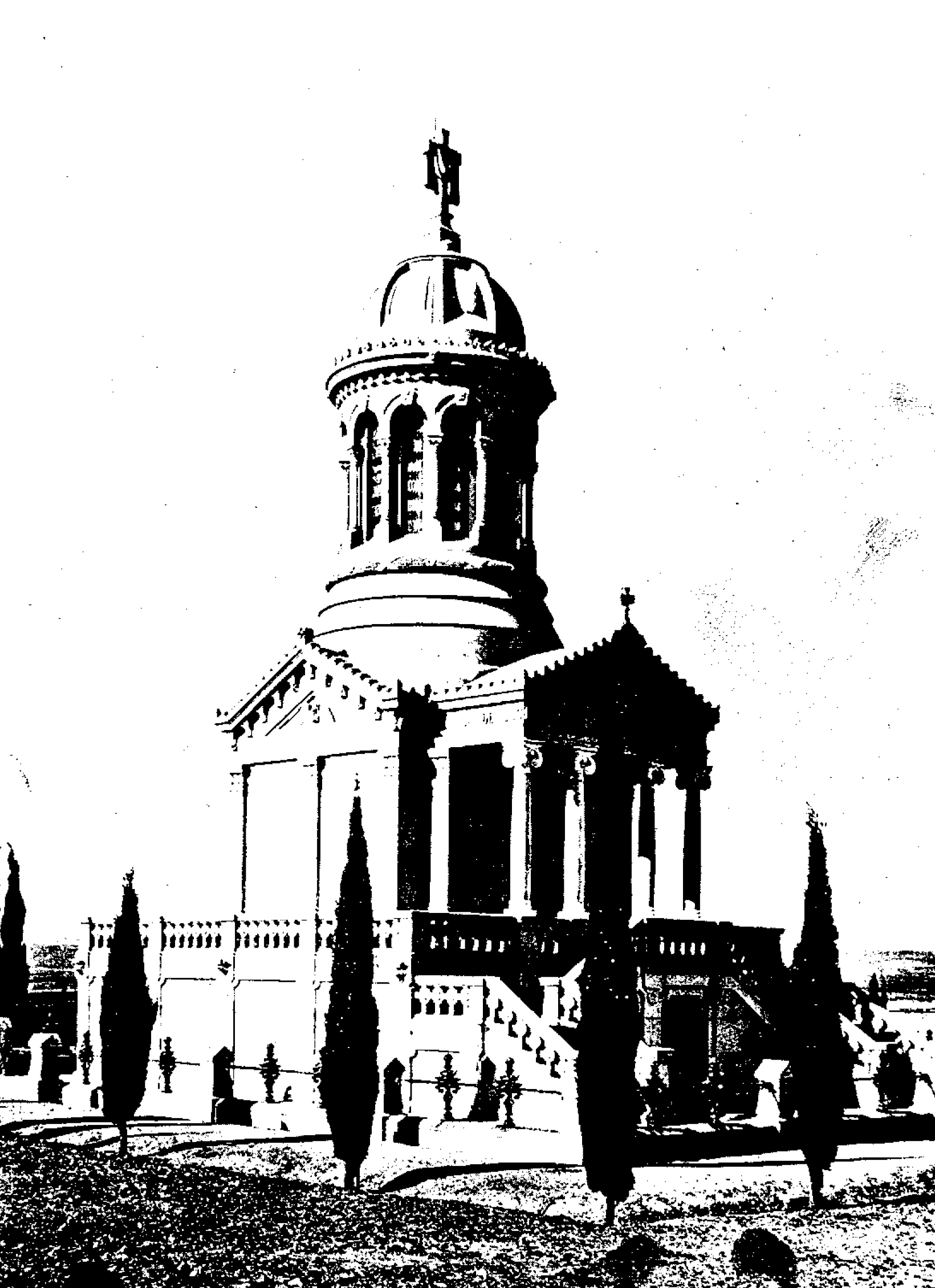
Panteón de la Duquesa de Sevillano is a historic mausoleum in Guadalajara, Spain, tucked away inside a working school complex run in part by Adoratrix nuns. From the outside it is easy to walk past, but the interior holds one of the most unexpected sacred spaces in the Castilla-La Mancha region.
Who commissioned the pantheon?
The building was commissioned by María Diega Desmaissières y Sevillano, Countess of Vega del Pozo and Duchess of Sevillano. She had it built in memory of her father and other deceased family members. Construction ran from 1882 to 1916, making it one of the longer-running private funerary projects in Spain around the turn of the twentieth century.
Who designed the building?
The project was entrusted to Ricardo Velázquez Bosco, an architect best known for his restoration work on the Mosque-Cathedral of Córdoba. That background shows in the pantheon, where he brought together several stylistic traditions rarely combined in funerary architecture of the period.
What architectural style does the pantheon follow?
The facades draw on Romanesque-Lombard tradition, while the interior surprises visitors with Byzantine mosaics covering the walls and vaults. The capitals of the interior columns are carved in Mudejar style, blending Islamic motifs with Christian iconography. The whole structure is topped by a distinctive dome covered in ornamented glazed ceramic, visible from a distance and one of the building's defining features.
How is the interior laid out?
The building follows a Greek-cross floor plan and is organized over two levels with different functions. The upper floor is set aside for worship and contains a wooden painting depicting the crucifixion. The lower level holds the burial chamber, where the Duchess of Sevillano rests alongside her closest relatives.
Where exactly is the pantheon located?
The mausoleum stands within an educational complex in Guadalajara that runs classes from primary through secondary level. A small community of Adoratrix nuns is also based on site, which explains the building's religious character despite its otherwise secular, educational surroundings.
Can visitors go inside?
Because the pantheon sits within an active school, access to the interior can be limited and usually requires arranging a visit in advance or joining an organized tour. It is worth checking current visiting arrangements before planning a trip, since they can shift depending on the school's own schedule.
Why is this pantheon worth seeing?
The Panteón de la Duquesa de Sevillano stands out among Spain's funerary monuments for its unusual mix of styles — few other buildings pair a Romanesque-Lombard exterior with Byzantine mosaics and Mudejar ornamentation in the same space. It is also a testament to the ambition of its patron, who spent more than three decades seeing her family memorial through to completion.
Frequently Asked Questions
Who funded the Panteón de la Duquesa de Sevillano? It was commissioned by María Diega Desmaissières y Sevillano, Countess of Vega del Pozo and Duchess of Sevillano, to honor her father and other deceased relatives.
When was the pantheon built? Construction took place between 1882 and 1916, spanning more than thirty years.
Who designed the building? Ricardo Velázquez Bosco designed it, an architect also known for restoration work on the Mosque-Cathedral of Córdoba.
Where exactly does the pantheon stand? It is located within a school complex in Guadalajara that is run with the involvement of a community of Adoratrix nuns.
Nearby places

Earn badges for the places you visit
Download NextOnTrip, discover new places and check off your trails.