About this place
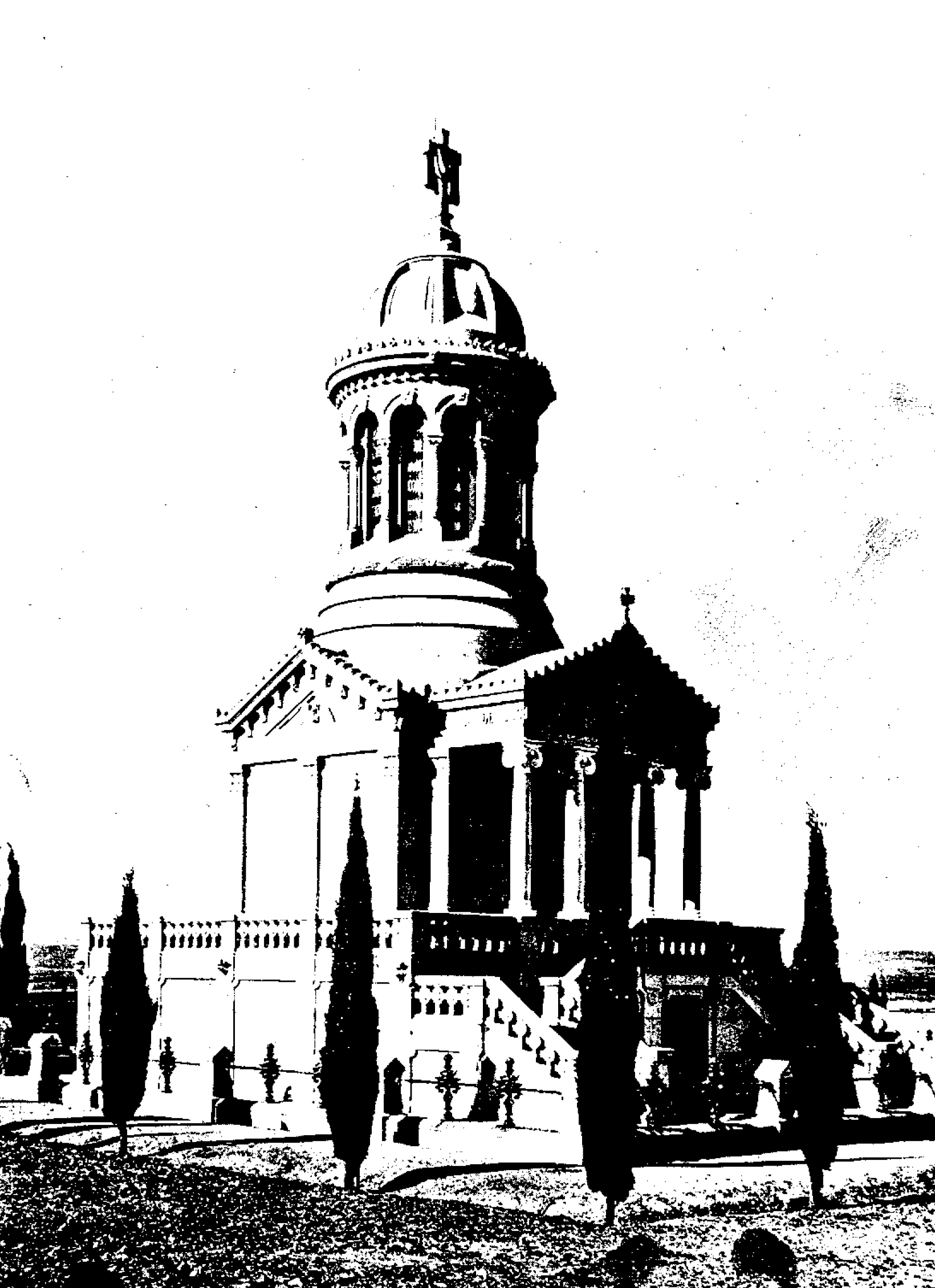
The Chapel of Luis de Lucena is a small religious monument in Guadalajara, a city in central Spain roughly an hour northeast of Madrid. In 1914 it was declared a Bien de Interés Cultural, Spain's highest category of heritage protection, reserved for sites considered especially significant to the country's history and art.
What should you know before visiting?
Being listed as Bien de Interés Cultural means the chapel is under strict conservation oversight — both local and national authorities treat it as part of Spain's national heritage rather than a minor local curiosity. For travelers interested in Spanish religious architecture and history, that status is a useful signal that the chapel deserves a stop on a Guadalajara itinerary, even though it is modest in size compared to the city's cathedral or palaces.
It's worth noting that this Guadalajara is the original Spanish city, not the larger Mexican city that shares its name. The chapel sits in the Spanish Guadalajara, in the Castilla-La Mancha region, part of a compact historic city with a notable concentration of protected monuments.
How do you get there?
Guadalajara lies close enough to Madrid to make it an easy day-trip destination for anyone based in the Spanish capital. The city has good rail and road connections to Madrid, so reaching it doesn't require complicated planning. Once in Guadalajara's center, the chapel sits within the historic old town, so the most practical way to see it is on foot, combined with the city's other landmarks.
Anyone planning to see several historic sites in Guadalajara should set aside at least half a day — the city is small, but its old center packs in a dense cluster of monuments.
What will you see there?
The Chapel of Luis de Lucena represents the kind of small-scale religious architecture typical of Spanish provincial cities — a building that survived for centuries and earned formal recognition as a cultural asset as early as the start of the 20th century. The fact that it received protected status in 1914 shows that local authorities and communities recognized its value long before Spain's modern heritage-protection framework took shape.
Travelers often value places like this precisely for their authenticity: unlike large, crowded tourist attractions, small historic chapels allow for a quieter, more intimate encounter with local history.
When is the best time to visit?
Like most cities in central Spain, Guadalajara is most comfortable to explore in spring and autumn, when temperatures are mild and the summer heat typical of the region doesn't get in the way of walking around the old town. In summer, it's best to plan sightseeing for the morning or late afternoon, avoiding the hottest hours of the day.
Frequently Asked Questions
Where exactly is the Chapel of Luis de Lucena located? In Guadalajara, a city in central Spain's Castilla-La Mancha region, close to Madrid.
What does Bien de Interés Cultural status mean? It's Spain's highest heritage protection category, granted to sites of particular historical, artistic, or cultural importance to the country. The chapel received this status in 1914.
Can the Chapel of Luis de Lucena be visited as a day trip from Madrid? Yes, Guadalajara's proximity to Madrid makes it convenient to visit the city and its monuments, including the chapel, as part of a day trip.
Are there other historic sites near the chapel worth seeing? Guadalajara has a compact historic center with several protected monuments, so it's worth pairing a visit to the chapel with a walk through the surrounding old town.
Nearby places

Earn badges for the places you visit
Download NextOnTrip, discover new places and check off your trails.