About this place
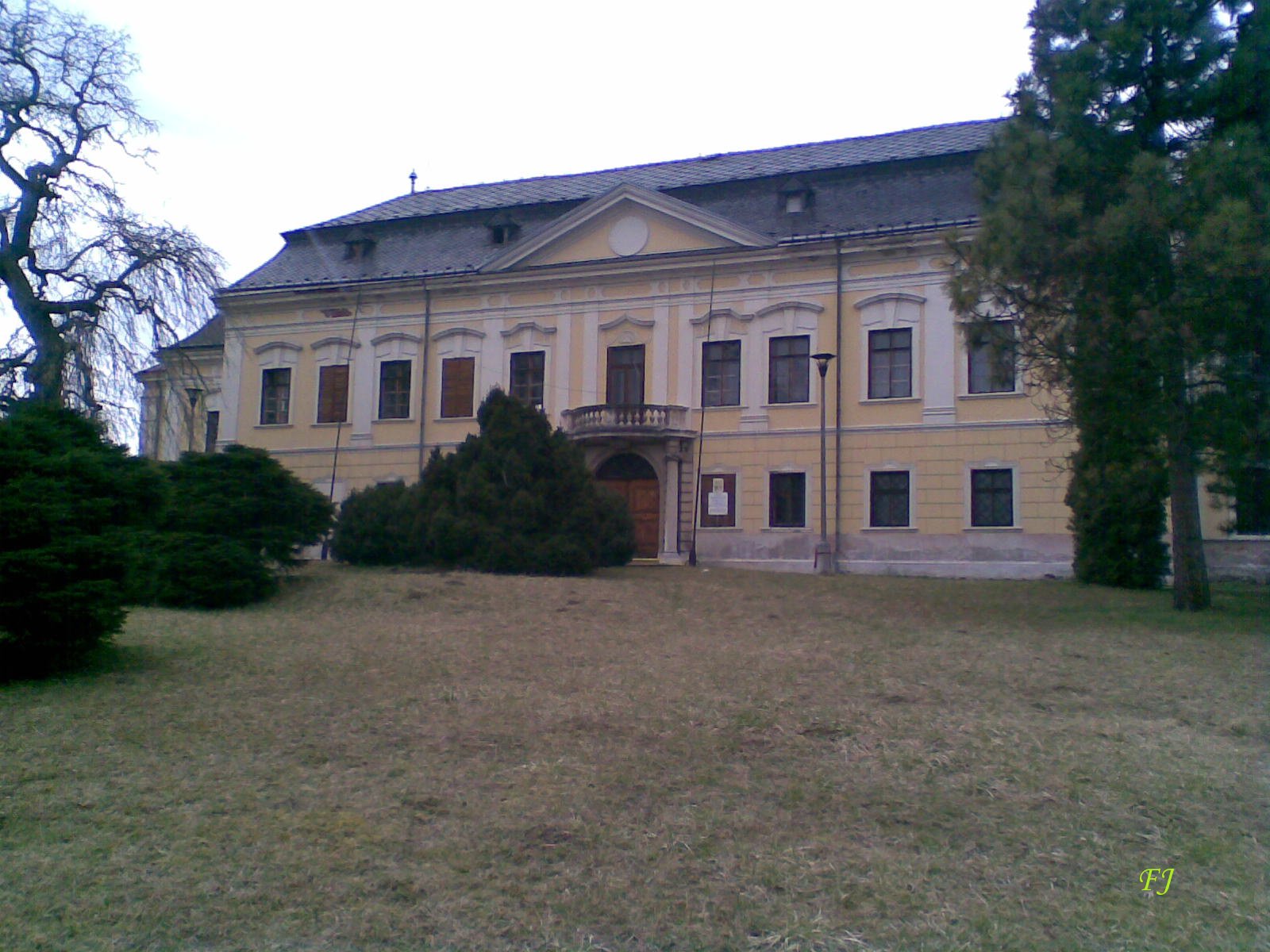
Mírov Castle stands on a rocky outcrop above the village of Mírov in Moravia, in the Šumperk district, roughly 5 km from Mohelnice. For centuries it has served as a prison, and today it holds some of the Czech Republic's most closely guarded inmates — an unusual past that makes it one of the more intriguing sights in Central Moravia, even if you can't walk in whenever you like.
Who built the castle and why?
The castle was founded by the Bishop of Olomouc, Bruno of Schauenburg, with construction dating no later than 1258–1266. It began life as a hunting lodge and a stronghold for the bishopric. After 1320 it was substantially expanded, and it later ranked among the most important episcopal castles in Moravia. Over the following centuries it occasionally served as a residence for the Archbishops of Olomouc, though it was never their primary seat.
How did a castle turn into a prison?
The turning point came in the 18th century. In 1741, Prussian troops plundered the castle, stripping it of much of its military value and pushing the bishopric to repurpose the site. From the mid-1700s onward, Mírov functioned as an ecclesiastical prison, holding clergy convicted of offenses. In 1848 (some sources say 1850), the bishopric sold the castle to the state, which carried out a neo-Gothic reconstruction and converted it into a proper state prison.
What happened at Mírov in the 20th century?
The castle's modern history is grim. During the Nazi occupation, the Gestapo ran a prison here that held inmates including those suffering from tuberculosis, and some prisoners were executed on site. After the communist takeover in 1948, Mírov became a detention site for members of the post-war resistance, and for the following four decades it held political prisoners opposed to the regime.
Can visitors go inside Mírov today?
Not in the usual castle-tourism sense. Mírov remains an active high-security prison, including a unit for inmates serving life sentences, and it is closed to the public on a day-to-day basis. That said, the prison administration occasionally opens its gates for special public tour days — demand is so high that tickets tend to sell out almost immediately. On these visits, guests can see the first courtyard, the Church of St. Margaret within the complex, a view of the second courtyard, the cellars housing a reconstructed model cell, and the castle's old fortifications. Anyone hoping to attend should watch for announcements from the prison or local tour organizers, since open days aren't scheduled on a fixed calendar.
Frequently asked questions
Is Mírov still a working prison? Yes. It operates as a high-security correctional facility, including a section for inmates serving life sentences, and ranks among the most tightly guarded prisons in the Czech Republic.
Can you actually enter the castle grounds? There's no regular tourist access, but the prison periodically holds public open days that let visitors see parts of the complex, including the church and the cellars with a model cell.
How exactly did the castle become a prison? From the mid-18th century it served as an ecclesiastical prison; after the bishopric sold it to the state in the mid-19th century, a neo-Gothic rebuild turned it into a regular state prison.
What happened here during WWII and the communist era? The Gestapo operated a prison at Mírov during the occupation, with executions carried out on site, and after 1948 it held political opponents of the communist regime for roughly four decades.
Nearby places

Earn badges for the places you visit
Download NextOnTrip, discover new places and check off your trails.