About this place
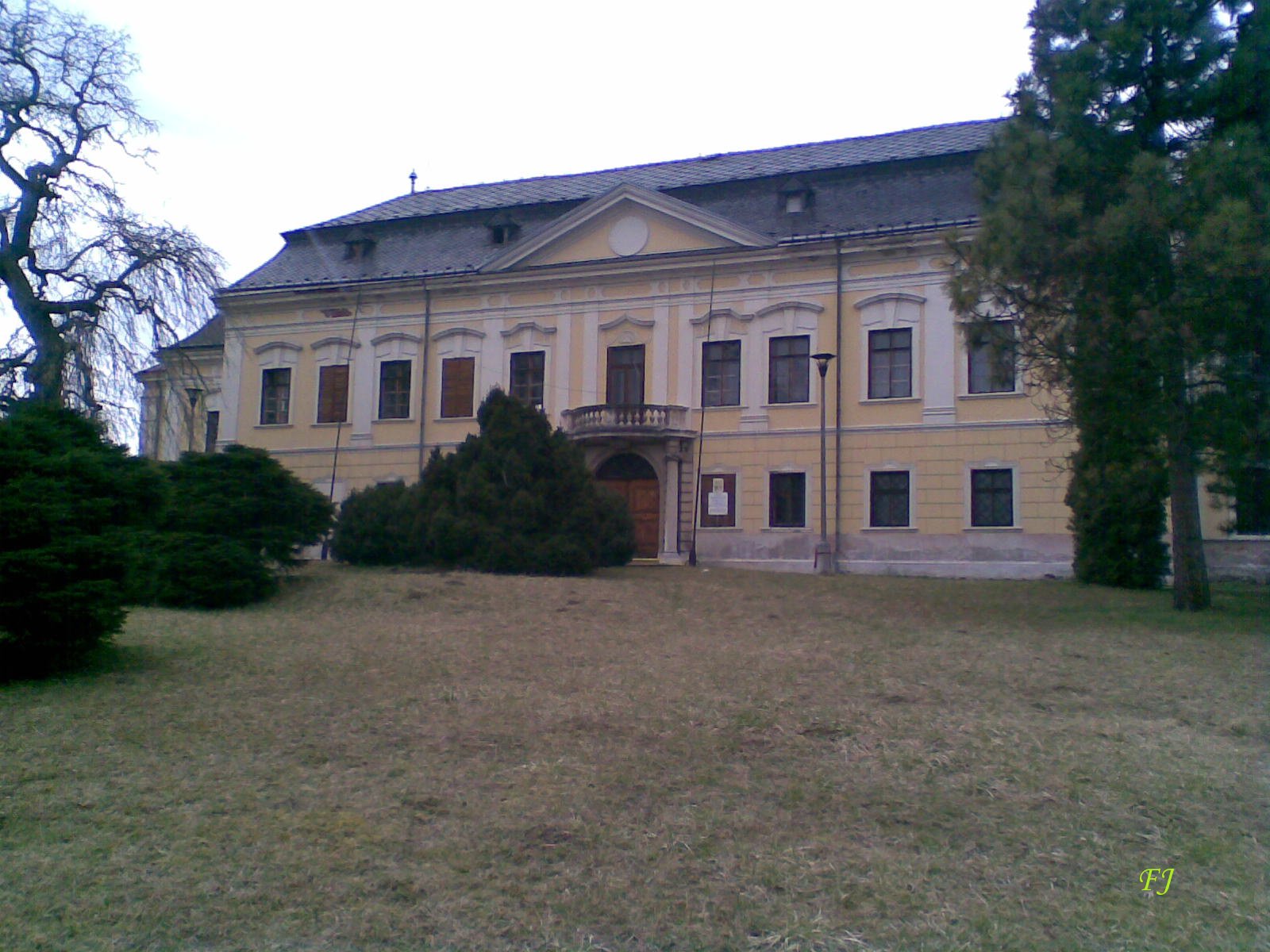
Vranová Lhota Castle is a former fortified manor turned Renaissance chateau in the village of Vranová Lhota, in the Svitavy district of the Pardubice Region in Moravia. For six centuries the building has shadowed the village's fortunes, and today, after decades of neglect, it is slowly being brought back to life with a new cultural purpose.
Why was a stronghold built in this village?
The first written record of a fortified seat at Vranová Lhota dates to 1406, when it appears in the land registers as a tvrz belonging to the lords of Vildenberk. The timing was no coincidence: just a year earlier, in 1389, troops of Margrave Jošt had destroyed the nearby hrad Vraní hora, which had until then guarded this stretch of the estate. Its owners responded by shifting the seat of local defense and administration down to the village itself, raising a new stronghold on the spot where the chateau stands today.
How did the fortress turn into a residence?
The building's fortunes shifted with each new owner. After 1507 the estate passed to Vítek of Ptení, under whom it underwent a thorough late-Gothic rebuilding that softened the original military character into something closer to a proper residence. The real transformation came later, in 1698, when Jan Adam Ondřej of Liechtenstein converted the old tvrz into a Renaissance-style chateau. In 1716 the estate was administratively joined to the neighboring episcopal domain, tying Vranová Lhota's fate to that of a larger, church-owned property for the following two centuries.
Who owned the estate in more recent times?
From 1879 to 1945 the chateau belonged to the House of Thurn und Taxis — first Prince Lamoral Thurn und Taxis, then his son — who ran it alongside the neighboring episcopal castle. After 1945, postwar confiscations transferred the estate to the state, but that brought no preservation effort: a local agricultural cooperative took over the building and its outbuildings, turning former halls into chicken coops and storage for grain, beets, and potatoes. That fate, shared by many Czech noble residences under communism, kept the chateau far from its original purpose for decades.
What is happening to the chateau today?
The turning point came in December 1999, when the property was bought by Ivana Přibylová, former director of a puppet theatre in České Budějovice. She has since been carrying out a gradual reconstruction, partly funded through grants, aiming to eventually open a puppetry museum with a theatre hall and restaurant on site. The chateau therefore remains a privately owned building still under restoration rather than a fully open tourist attraction, so it's worth checking current access with local tourist information before planning a visit. The village itself sits in a quiet, agricultural corner of the Czech-Moravian borderland, not far from the well-known Bouzov Castle, making it a convenient stop for anyone exploring that larger attraction's surroundings.
Frequently asked questions
What was Vranová Lhota Castle originally? A fortified manor (tvrz) built by the lords of Vildenberk after 1406, raised to replace the destroyed hrad Vraní hora nearby.
When did the fortress become a chateau? It was substantially rebuilt in late-Gothic style after 1507, and in 1698 Jan Adam Ondřej of Liechtenstein reshaped it into a Renaissance chateau.
What happened to the chateau after 1945? Following postwar confiscation, an agricultural cooperative used the building for poultry farming and storage of grain, beets, and potatoes.
Can visitors tour the chateau today? It has been privately owned since 1999 and is being gradually restored with plans for a puppetry museum, so it's best to check current visitor access before arriving.
Nearby places

Earn badges for the places you visit
Download NextOnTrip, discover new places and check off your trails.