About this place
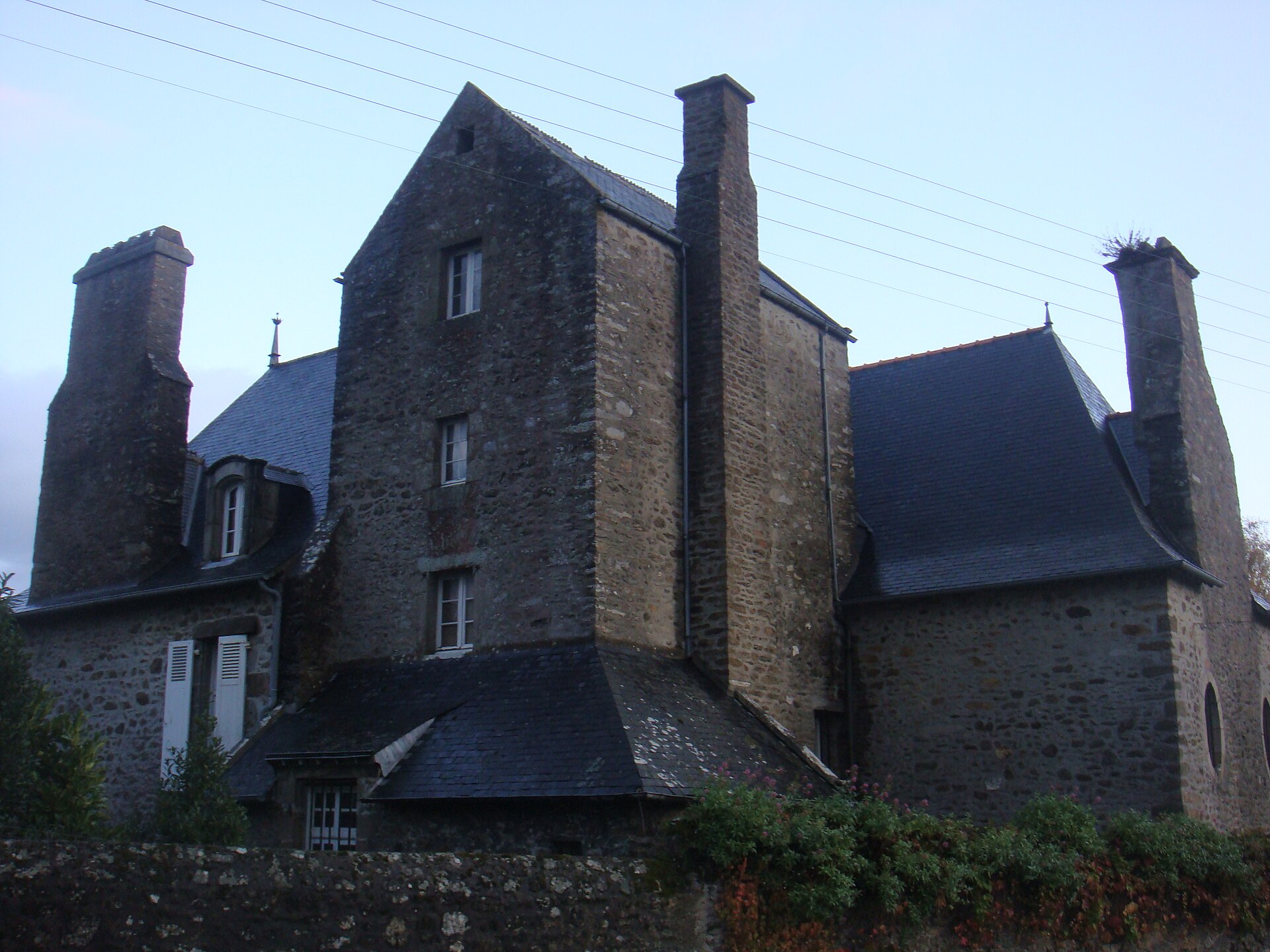
Manoir de la Baronnais stands at the entrance to Dinard on boulevard de la Libération, a 17th-century manor house counted among the best-preserved examples of Breton residential architecture on the Emerald Coast.
What is the history behind this manor?
The granite building was raised in 1647 in a style described as Breton Renaissance, crowned with the steep roofs and monumental chimneys typical of the Louis XIII era. Its name traces back to the La Baronnais family: when René Arthur Ladvocat de la Baronnais died in 1757, the estate and title passed to a cousin, François-Claude Colas de la Barre, who adopted the title "seigneur de la Baronnais." Ownership later moved through the Gouyon Matignon family and then the de Varieux family, one of whose daughters married the eldest son of General de Sonis — Louis-Gaston de Sonis, who held the property until 1925.
One of the manor's more dramatic chapters unfolded during the French Revolution, when the house sheltered royalists fleeing the Republican forces, helping them slip away to Jersey or England. Local oral tradition speaks of a tunnel connecting three hidden rooms inside the manor to the beach, said to have made those secret escapes possible.
What will you see inside and around the manor?
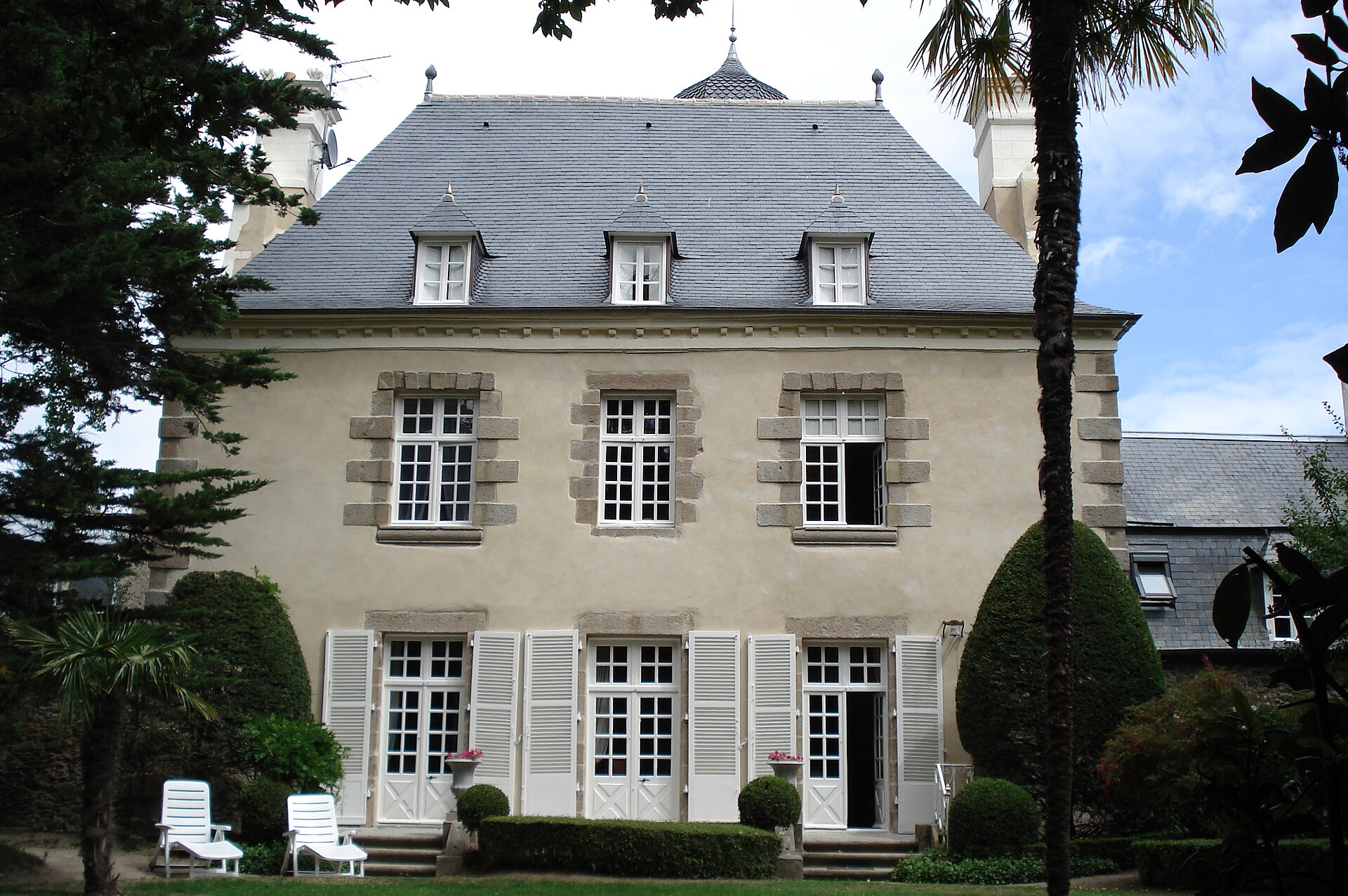
The south facade is defined by wrought-iron grilles decorated with crosses and fleur-de-lis, guarding the ground-floor windows. In front of the house lies a French garden laid out over three terraces, a formal composition that frames the stone building.
The interior has kept almost all of its original 17th-century character. The ground floor holds a spacious entrance hall and three large rooms — the salon and dining room feature wood-paneled walls and imposing fireplaces, giving the rooms the stately feel typical of a noble residence of the period.
Since 28 June 1972, the manor has been listed on France's register of historic monuments (monuments historiques), formal recognition of its architectural and historical value to the region.
How do you get to Manoir de la Baronnais?
The manor sits right at the entrance to Dinard on boulevard de la Libération, one of the town's main roads. That makes it an easy stop whether arriving by car from Saint-Malo or Rennes, or on foot, since the road connects the town centre with the surrounding neighbourhoods.
When is the best time to visit?
The French garden and granite facade look their best in spring and summer, when the greenery on the terraces is in full growth. Dinard as a seaside resort is liveliest from May to September, making it easy to pair a visit to the manor with time along the town's coastal promenade.
Frequently asked questions
Can you visit the inside of Manoir de la Baronnais? The manor is private property listed as a historic monument, so access to the interior depends on the owners' current arrangements — it's worth checking on-site information before planning a visit.
Where does the name "Baronnais" come from? It comes from the La Baronnais family, owners of the manor in the 18th century. When the estate passed to a cousin, François-Claude Colas de la Barre, he took the title seigneur de la Baronnais, and the name has stuck ever since.
Does the building have a connection to the French Revolution? Yes — during the Revolution the manor served as a hideout for royalists fleeing Republican troops, who used it as a stepping stone to reach Jersey or England.
How old is the manor? It was built in 1647, making it nearly four centuries old and a representative example of Louis XIII-era architecture.
Nearby places

Earn badges for the places you visit
Download NextOnTrip, discover new places and check off your trails.