About this place
Château de Montmarin is an 18th-century estate in Pleurtuit, a small commune in Ille-et-Vilaine just a few kilometres from Saint-Malo and the mouth of the Rance river. Set within six hectares of parkland, the property ties together the region's shipowning past with one of Brittany's most admired gardens.
Where did the estate come from?
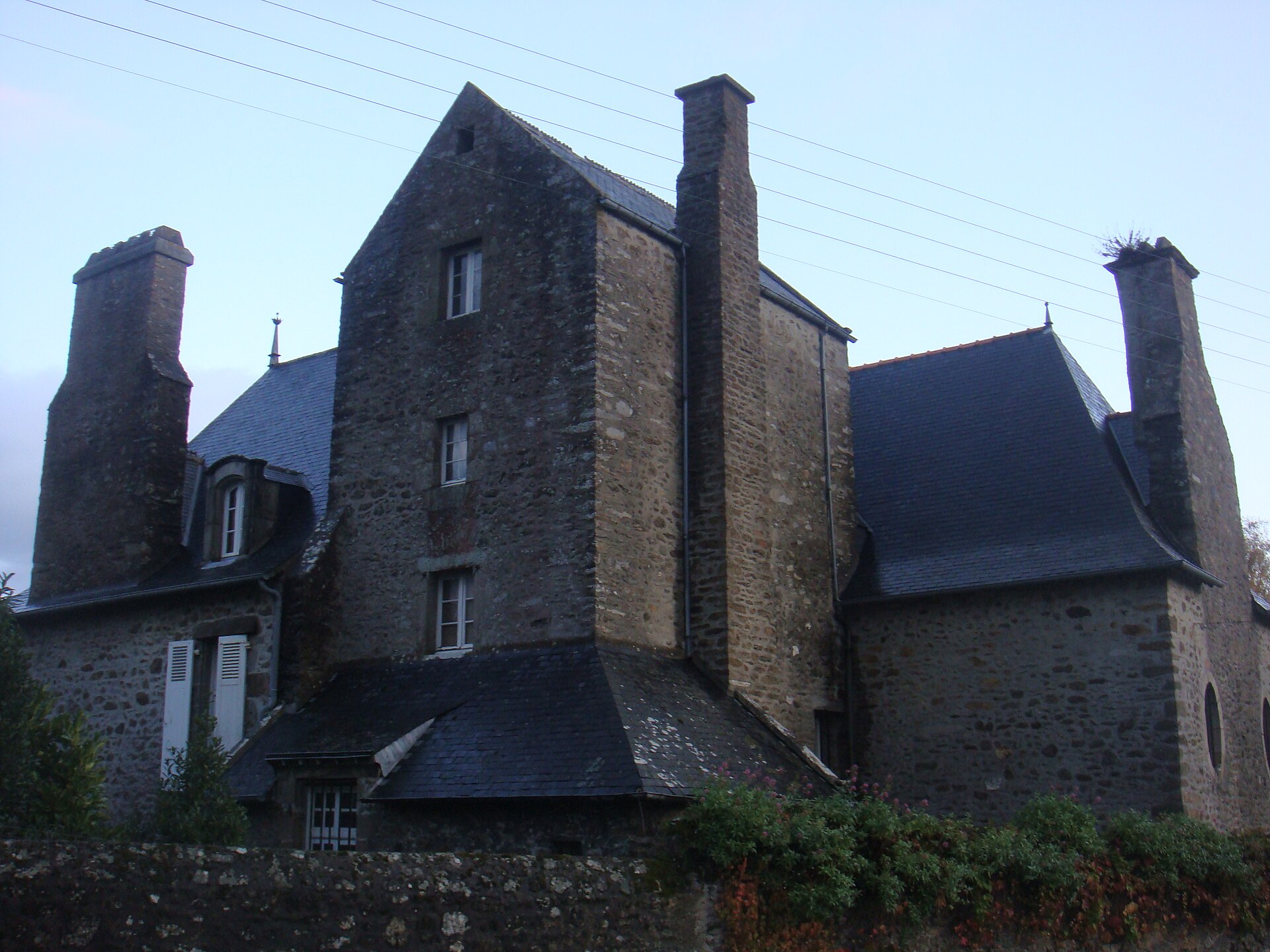
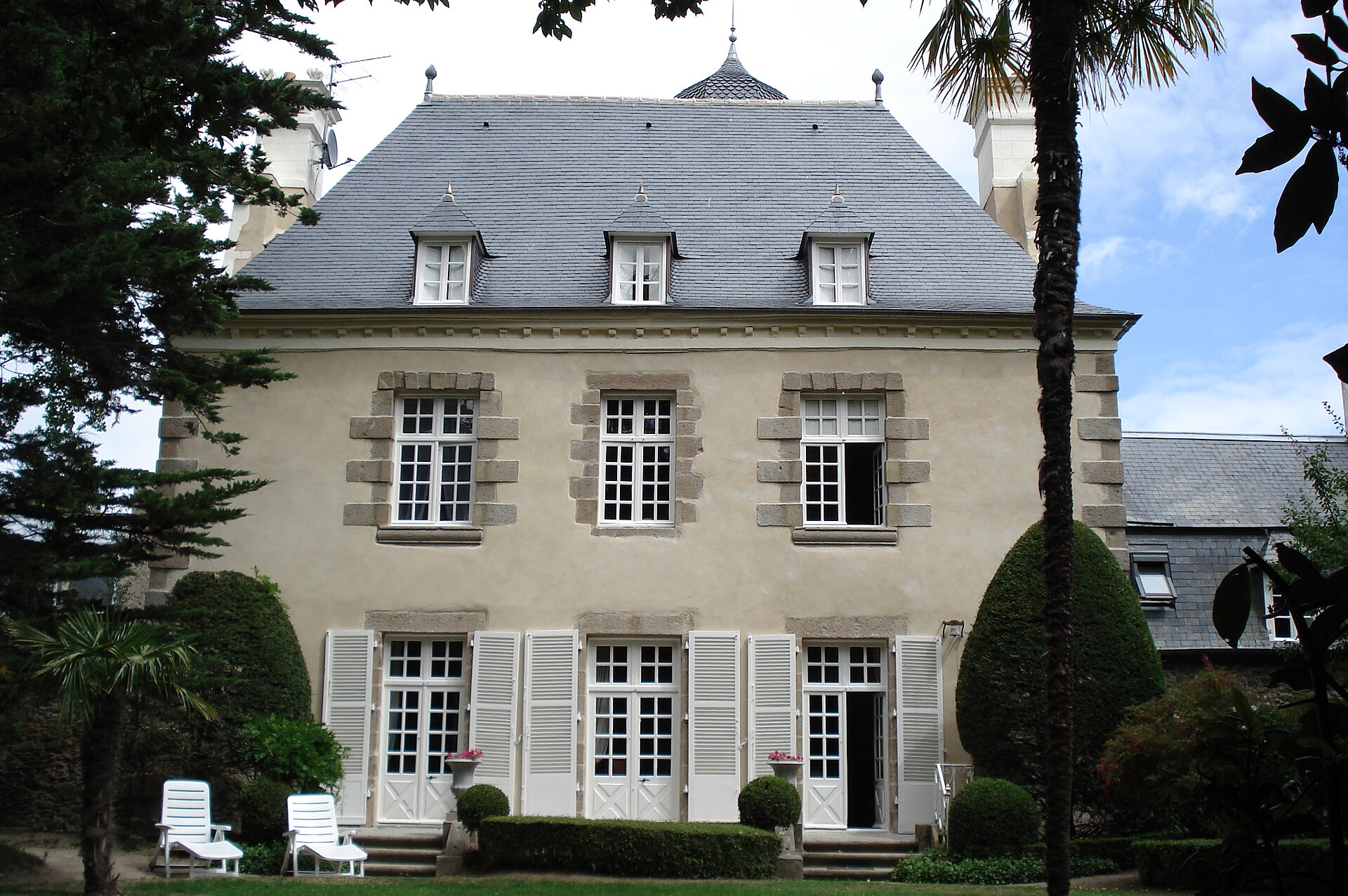
The house was built in 1760 by Aaron Magon du Bosc. Its design departs from the classic malouinière pattern, the local style of shipowners' residences found around Saint-Malo: an unusually tall main block set against a low roofline on the courtyard side, paired with inverted, keel-shaped roofs facing the garden, makes Montmarin difficult to fit neatly into that category.
In 1782 a shipowner bought the estate and opened a shipyard on the grounds. As the Napoleonic wars disrupted merchant shipping, the yard was converted into a tide mill, harnessing the rise and fall of the Rance to turn its wheels. The mill operated for decades until it was destroyed during the Second World War.
The estate took another turn in 1885, when Louis Bazin de Jessey acquired it. He restored the house and its formal French garden, while also laying out romantic landscape gardens further into the park, a layout that survives largely intact today.
What will you see at Montmarin?
The park covers roughly six hectares and brings together several garden styles. Closest to the house lies a formal French garden, complemented by a walled kitchen garden, a classic feature of old country estates. Further out, the grounds open into romantic gardens and terraces overlooking the Rance estuary, one of the most recognisable views in the Saint-Malo area.
The park holds a rich plant collection, including agapanthus and magnolias, one of which is over 200 years old, alongside a rockery typical of Breton gardens from this period. The château itself was listed as a historic monument in 1966, and the park gained protected status in 1995.
How do you get there?
Pleurtuit sits on the peninsula between Saint-Malo and Dinard, across the Rance estuary. Driving is the easiest option, a journey of around fifteen minutes from either town. The nearest transport hubs are Dinard, with an airport handling seasonal routes, and Saint-Malo, with its ferry port and railway station, from where you'll need a car or taxi to complete the trip.
When should you visit?
The gardens are open from April through the end of October, Sunday to Friday, with Saturdays closed. Hours run from 2pm to 6pm in April, May, September and October, extending to 2pm to 7pm from June to mid-September to make the most of the longer summer days. Late spring and early summer are the best times to come, when rhododendrons and the first agapanthus flowers appear, though the park is also striking in autumn as the foliage turns.
Frequently asked questions
Is Montmarin a castle or a manor house? Formally it's called a château, though architecturally it reads more like an elaborate country house than a fortified castle, there are no defensive walls or moat.
Can you visit the interior? Visits focus mainly on the gardens and park; you can explore on your own with printed guides or join a guided tour for groups by prior booking.
How much does admission cost? Adult tickets cost around 9 euros, with reduced rates of about 7.50 euros for teenagers (14-18) and other concessions, around 5 euros for children aged 7-13, and free entry for children under 7.
What else pairs well with a visit to Montmarin? Its proximity to Saint-Malo and Dinard makes it easy to combine a stroll through the gardens with a day exploring the Rance coastline, from Saint-Malo's historic walled city to the beaches of Dinard.
Nearby places

Earn badges for the places you visit
Download NextOnTrip, discover new places and check off your trails.