About this place
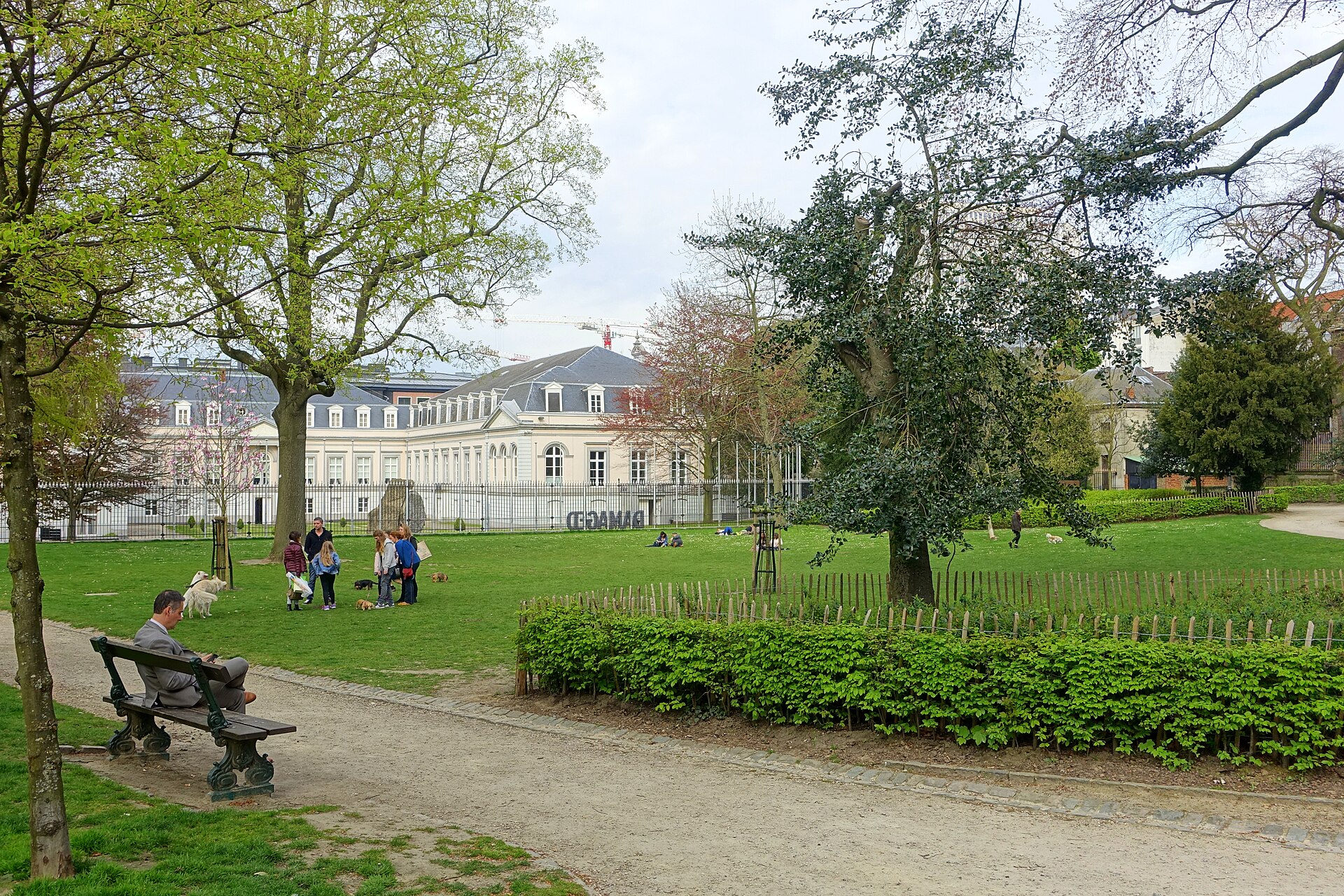
Malibran Garden is a small, atmospheric park in the upper part of Ixelles, right next to the town hall. It's easy to walk past it while cutting through Place Fernand Cocq, but it's worth pausing here — old trees offer shade, a handful of benches invite a rest, and for a few minutes the city noise fades away.
Where does the name come from?
The park's story goes back to the 1830s and involves two figures from the world of music. Violinist Charles-Auguste de Bériot wanted to settle in this part of Ixelles together with his companion, the celebrated opera singer Maria Malibran. In 1833 the couple had a neoclassical country house built here, surrounded by an extensive garden meant to serve as their private retreat away from the bustle of central Brussels. Maria Malibran, one of the most admired opera singers of her time, died in 1836, only a few years after the estate was completed.
From private villa to municipal park
After her death, the pavilion and its grounds changed hands. In 1849 the estate was acquired by the municipality of Ixelles, which set out to adapt it for public use. The front portion of the former garden was turned into a town square — known today as Place Fernand Cocq, one of the district's central gathering points. The pavilion itself eventually became the seat of local government, serving as Ixelles' town hall, a role it still holds today.
The rear, less prominent part of the original gardens survived in a more natural state, and this is what forms today's Malibran Garden. For a long time the park remained overshadowed by the neighboring square and town hall building, with limited public access. That changed clearly in May 2019, when the renovated Place Fernand Cocq was inaugurated and the park reopened to residents as a proper, fully accessible green space adjoining the town hall.
What can you find in the park today?
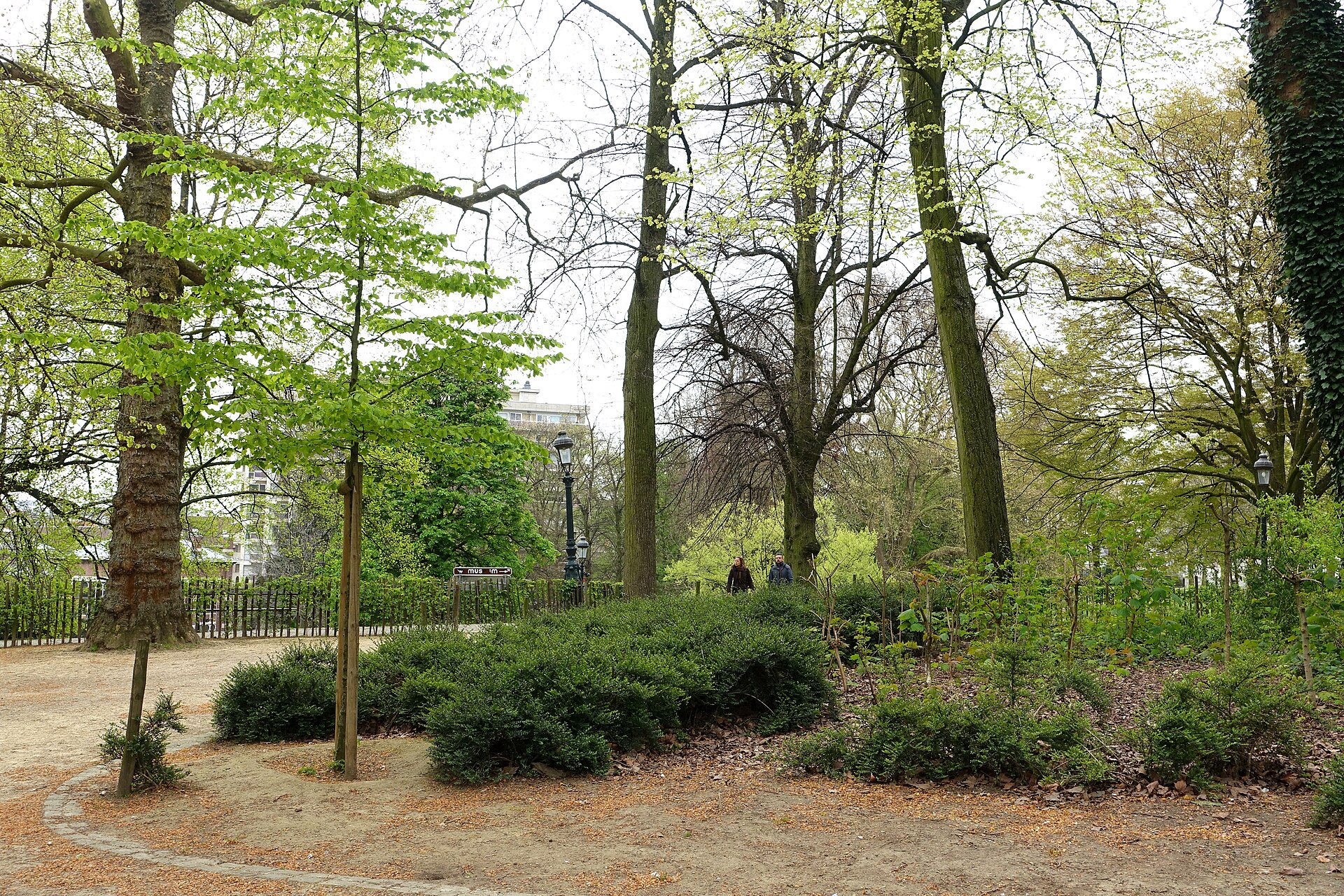
The park's biggest asset is its mature, spreading trees, which have grown here for a long time and provide solid shade on hot days — making it a pleasant stop in summer, when the surrounding streets can get uncomfortably warm. Eight benches have been set out for visitors, positioned so people can sit down, grab a quick bite between errands, read a book, or simply take a break from the pace of the city.
Part of the park is also protected as a site of natural and landscape value, a legacy of its historical roots as the 19th-century garden of the Bériot-Malibran villa. As a result, it retains a quieter, more understated character than many other urban squares in the area — less recreational infrastructure, more old-growth greenery and a naturally evolved layout.
Who is this place for?
Malibran Garden works best as a short stop during a walk through Ixelles, especially for anyone already visiting Place Fernand Cocq or the cafés and restaurants around it. It's also a convenient spot for people working at the nearby town hall and for local residents looking for a patch of greenery closer to home than Brussels' larger parks. It isn't a major tourist attraction on its own, but combined with its historical background — the villa of a violinist and an opera singer whose name it still carries — it makes an interesting stop for anyone curious about 19th-century Brussels history.
Frequently asked questions
Is entry to the park free? Yes, the park is open to everyone and free to visit, ever since it reopened to the public in 2019.
Is there anywhere to sit? Yes, eight benches are set out across the shaded parts of the park.
Where does the park's name come from? From Maria Malibran, a 19th-century opera singer who, together with her partner, violinist Charles-Auguste de Bériot, had a villa and garden built on this site.
Is the park next to any other attractions? Yes, it borders the Ixelles town hall directly and Place Fernand Cocq, which was created from the front section of the original villa garden.
Nearby places

Earn badges for the places you visit
Download NextOnTrip, discover new places and check off your trails.