About this place
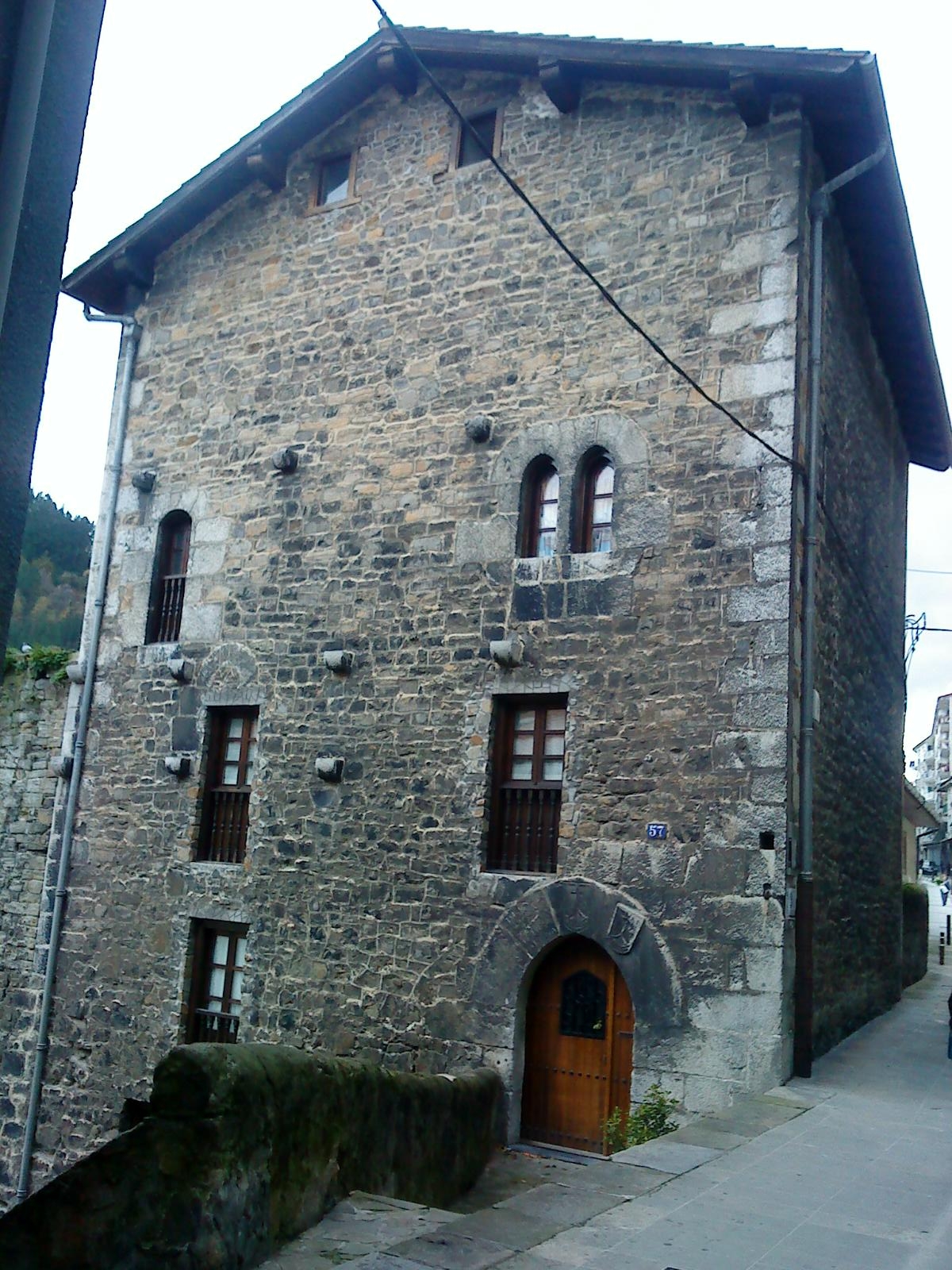
Likona dorretxea (Likona Tower House) is a medieval fortified tower standing on the main street of Ondarroa, a small fishing town in the Basque Country, at the mouth of the Artibai river on Spain's Cantabrian coast.
What is this building?
Likona dorretxea is a freestanding tower house built in the 15th century, most likely on the site of an earlier defensive structure. It belonged to the Licona (Likona) family, powerful merchants originally from nearby Mendexa who later settled permanently in Gipuzkoa. Buildings of this kind — fortified noble residences — were common across the Basque Country in the late Middle Ages: they combined a family home with a defensible stronghold, signalling the owners' status while offering protection against rival clans.
The structure is compact, solid and almost cubic in shape. Because of the slope of the site it stands on, its height varies dramatically from one side to the other: on the east side the tower reaches roughly 14 metres, while on the west side — where the ground level is higher — it drops to only about 8 metres. This uneven profile is typical of buildings raised on sloping urban plots and offers a clear illustration of how builders adapted their designs to the terrain.
The tower is also historically significant for another reason: it is one of the few buildings that survived the fire set by French troops in 1794, during the War of the Convention (the war between Revolutionary France and Spain). Ondarroa suffered heavy damage to its old town during that conflict, and Likona dorretxea remains one of the rare structures predating those events still standing today.
How do you get there?
The tower stands on the main street of Ondarroa's old town (Kale Andi), so it's easily reached on foot — the town itself is small and its historic centre is entirely walkable. Ondarroa sits on the Biscay coast, within easy reach of both Bilbao and San Sebastián by regular bus and road connections. If you're driving, it's best to park near the harbour or at the edge of the old town and continue on foot, since the narrow streets of the centre aren't built for car traffic.
What will you see?
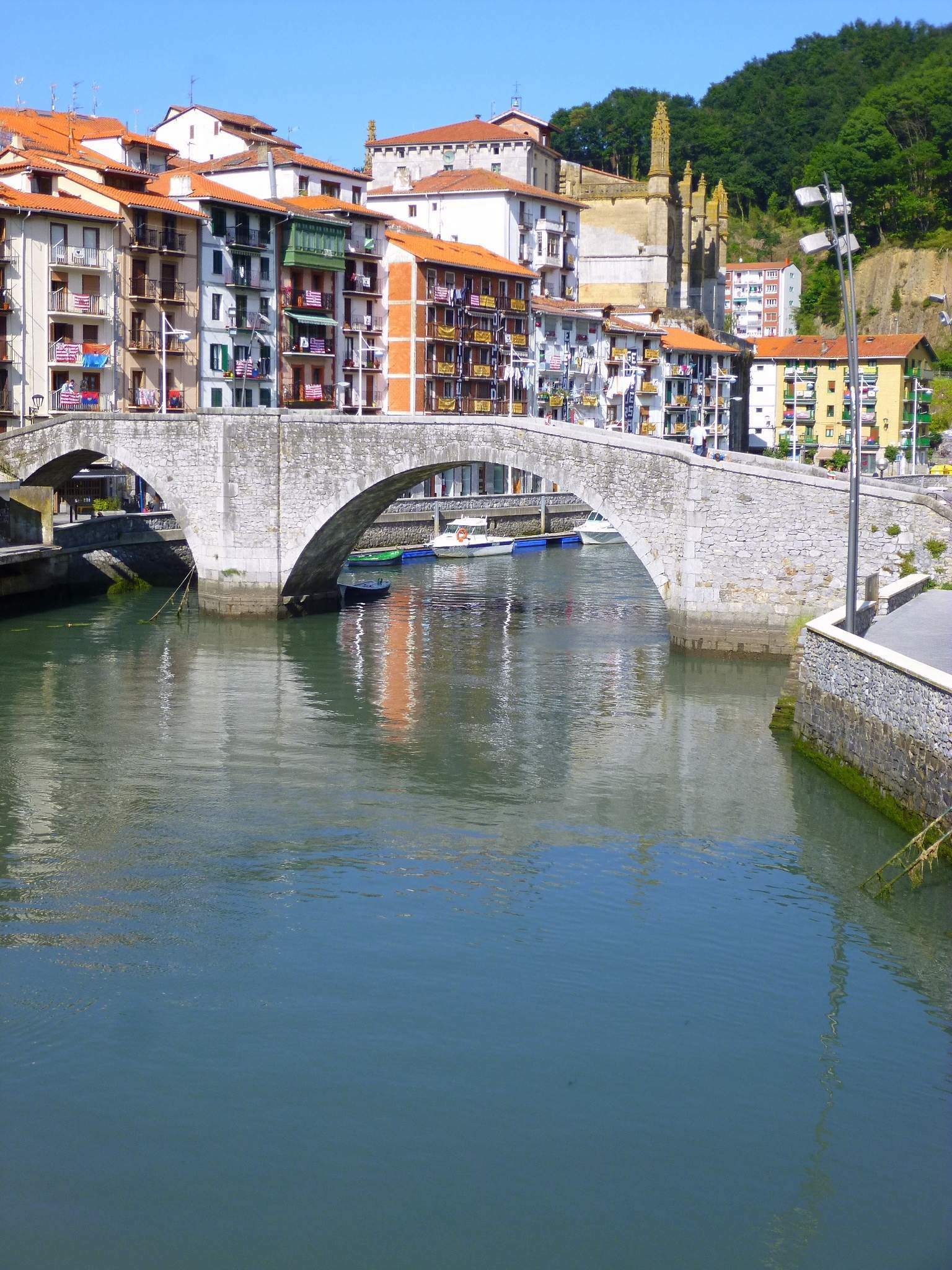
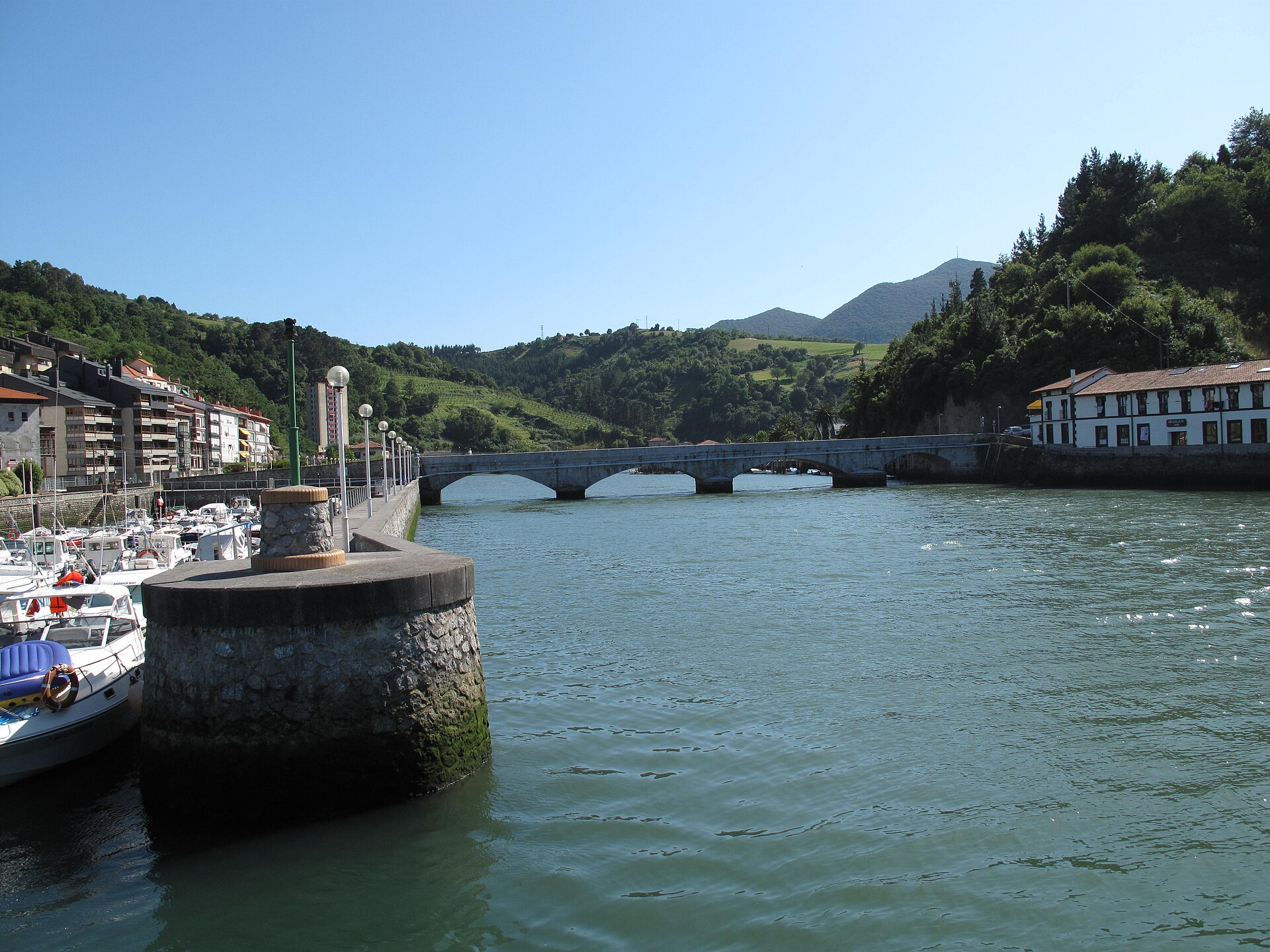
The tower's raw, solid mass is impressive on its own — it's one of the few surviving examples of fortified residential architecture in the region. Walking around the building lets you appreciate the striking height difference between its east and west façades, a direct result of the sloping ground. The surrounding area — Ondarroa's historic centre, with its narrow lanes, working fishing harbour and views over the Artibai estuary — rounds out the picture of a town that has lived off the sea and trade for centuries.
When should you visit?
Spring and early autumn are the best times, when the weather along the Biscay coast is mild and the town is quieter than in peak summer. Summer brings more visitors thanks to the beaches and local festivals, but it's also a good chance to combine a look at the tower with a stroll around the harbour and a taste of the local seafood cuisine.
Frequently Asked Questions
Can you go inside Likona Tower? Interior access is often limited since this is a protected heritage building, so it's worth checking current opening details with Ondarroa's local tourist office before visiting.
How old is the tower? The current structure dates from the 15th century, though it was likely built on the site of an earlier defensive tower.
Why does the tower have different heights on each side? It's due to the slope of the land it stands on — about 14 metres on the east side and only around 8 metres on the west side, where the ground is higher.
Is this the only landmark of its kind in Ondarroa? Likona dorretxea is especially valuable because it survived the fire set by French troops in 1794, unlike many other buildings in the old town.
Nearby places

Earn badges for the places you visit
Download NextOnTrip, discover new places and check off your trails.