About this place
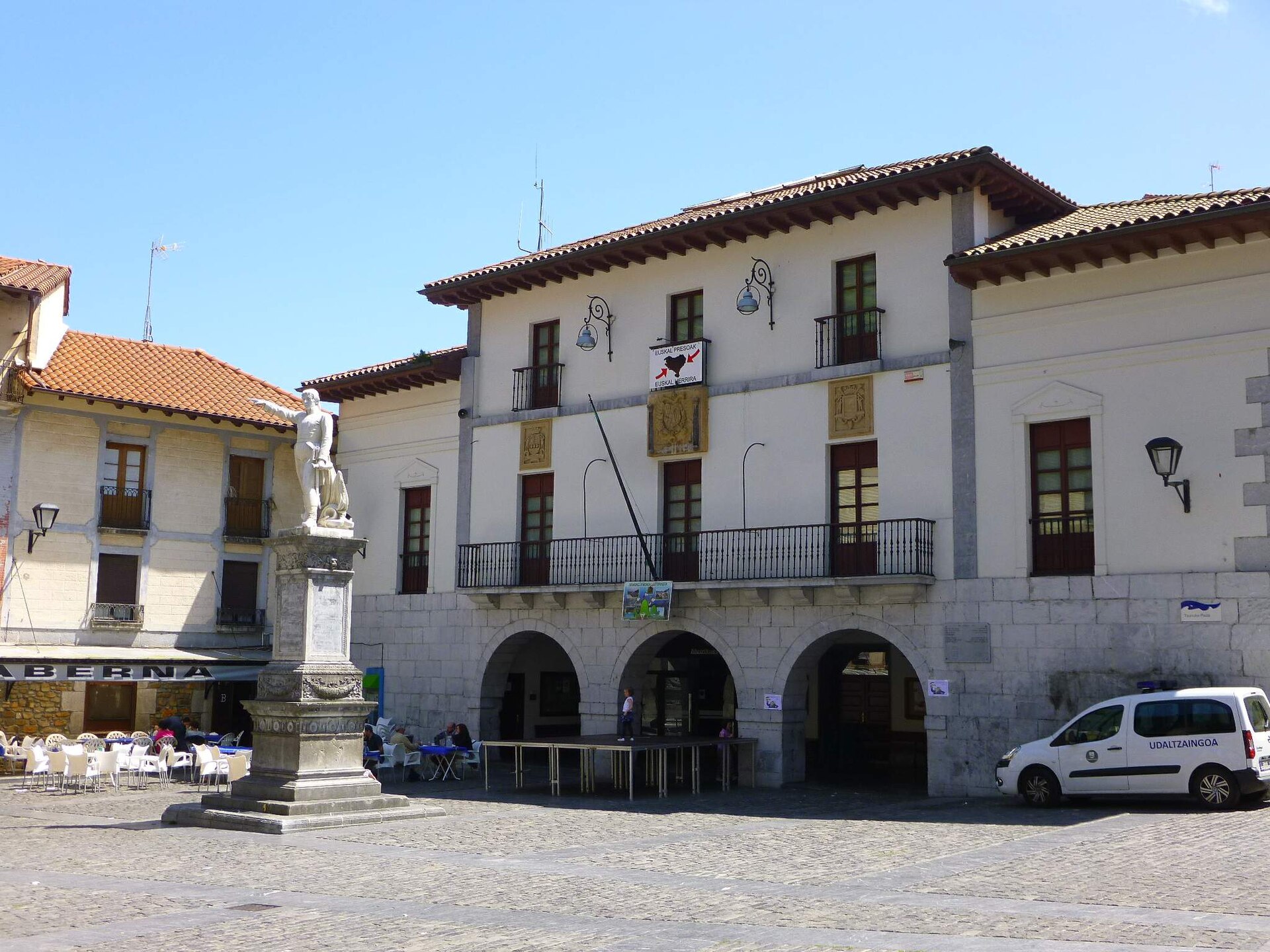
Galdona Dorrea is a historic tower-palace standing in the heart of the old town of Mutriku, a small fishing port on the Gipuzkoa coast in the Basque Country.
What is Galdona Dorrea?
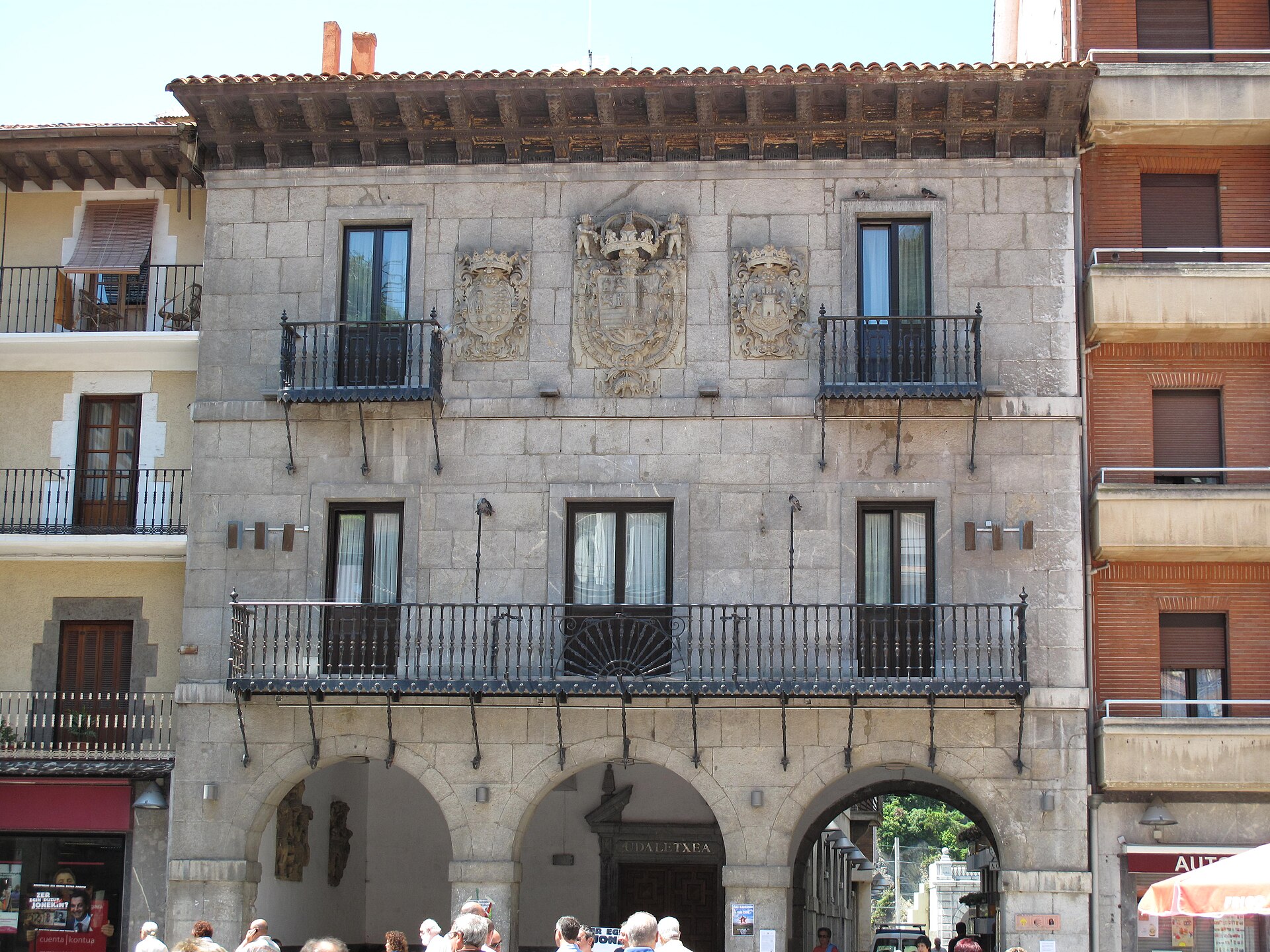
The building was commissioned in the late 17th century by Juan de Galdona y Muñoz, a Seville-born official who in 1685 served as procurador juntero (representative) for Mutriku and was named a knight of the Order of Santiago that same year. The residence he built is a classic example of a Basque tower-house, an architectural type that blends the defensive silhouette of a family tower with the representative facade of an urban palace — a form favoured by wealthy local families from the late Middle Ages through the Baroque period. Its front is built of dressed ashlar stone, and at first-floor height, on the corner of the facade, a carved stone coat of arms of the Galdona family marks the building — the most recognisable feature of the whole structure.
How do you get to Galdona Dorrea?
Mutriku sits on the coast between Deba and the border with Biscay, linked by the coastal road that runs through Gipuzkoa's seaside towns. It can be reached by car or by local bus services running along the coast; the nearest major transport hubs are Donostia-San Sebastián and Bilbao, both connected by regular routes toward Deba and on to Mutriku. The building itself stands inside the historic centre, among the narrow streets climbing from the harbour toward the hill, so the easiest way to reach it is on foot after parking at one of the car parks on the edge of the old town.
What else is worth seeing nearby?
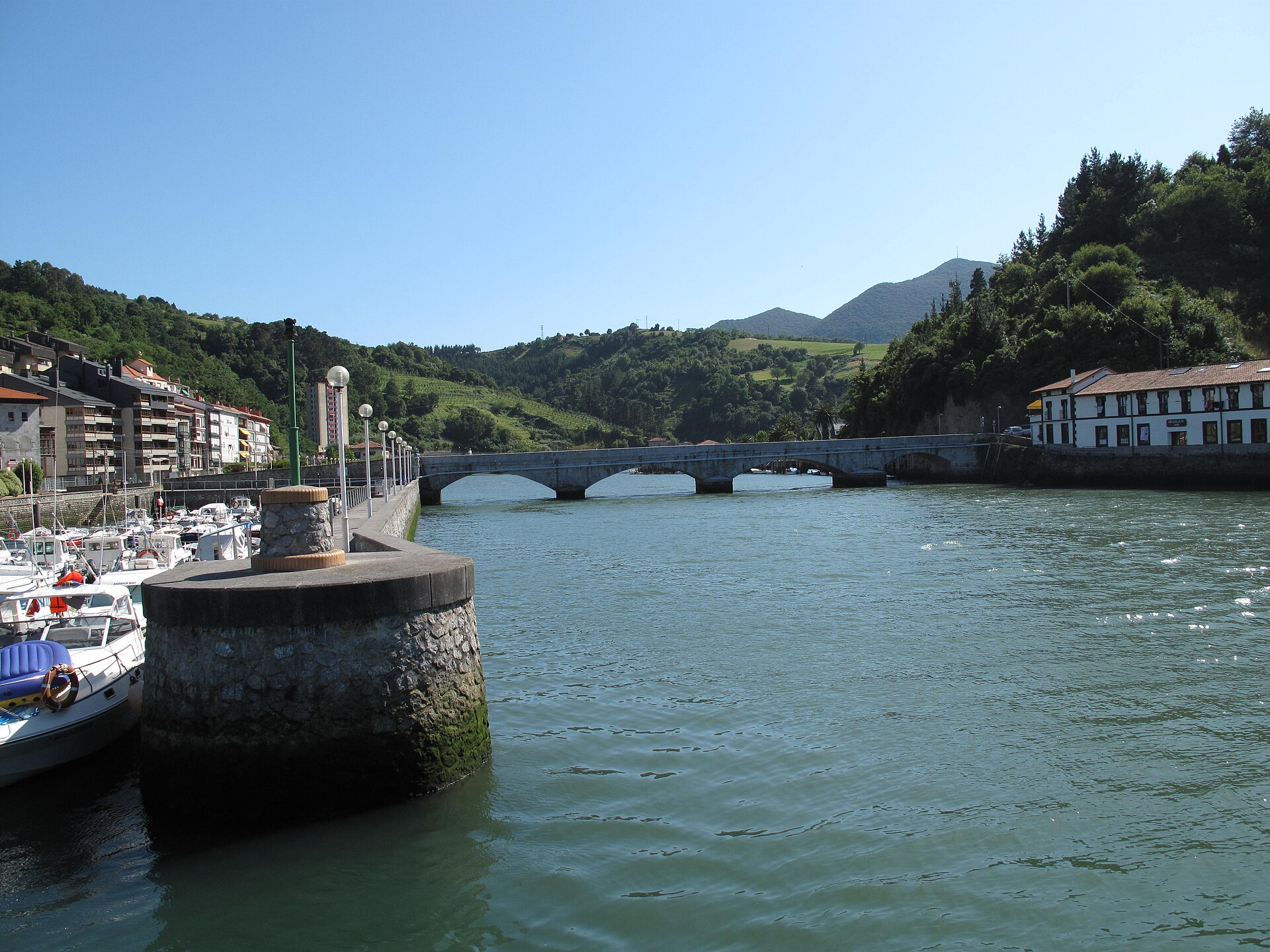
Mutriku's historic quarter is a cluster of stone houses, coats of arms on their facades, and steep narrow lanes running down toward the fishing harbour. Besides Galdona Dorrea, it's worth walking down to the quayside, where fishing boats still moor, and up to the parish church that crowns the highest point of the old town. The many carved stone crests on noble houses throughout the quarter are a legacy of the wealthy families who built their residences here during the 16th and 17th centuries. A walk through the old town typically takes under an hour, but it pairs well with time spent at the harbour and the breakwater, which give open views over the cliffs and the Bay of Biscay.
When is the best time to visit?
Spring and summer are the best seasons, when the weather suits walking the coastline and the harbour is lively with fishermen and visitors. Autumn and winter in Mutriku tend to bring wind and rain, typical of Spain's northern coast, but the quiet old town and its stone architecture take on a starker, moodier character that photographers often appreciate.
Frequently asked questions
Can you go inside Galdona Dorrea? The building serves a private or institutional purpose, so its interior is not open to visitors — it's best appreciated from outside, taking in the facade and the family crest.
How long does it take to see the area? The building itself takes only a few minutes to view, but it's worth setting aside at least an hour for a walk through Mutriku's old town and harbour.
Are there other similar landmarks nearby? Yes, the historic centre of Mutriku still holds several stone noble houses bearing carved coats of arms from a similar period.
Is Mutriku easy to reach without a car? Yes, the town is served by coastal bus routes connecting it to Deba, Zumaia, and the region's larger cities.
Nearby places

Earn badges for the places you visit
Download NextOnTrip, discover new places and check off your trails.