- Sacred Monuments
- Cemeteries
Leytonstone (St. Patrick's) Roman Catholic Cemetery
Save this place and discover nearby attractions with NextOnTrip
In the app you can add it to your favorites, see what else is worth visiting nearby on the map, and earn a badge for your visit.
The app is available for iPhone and Android.
About this place
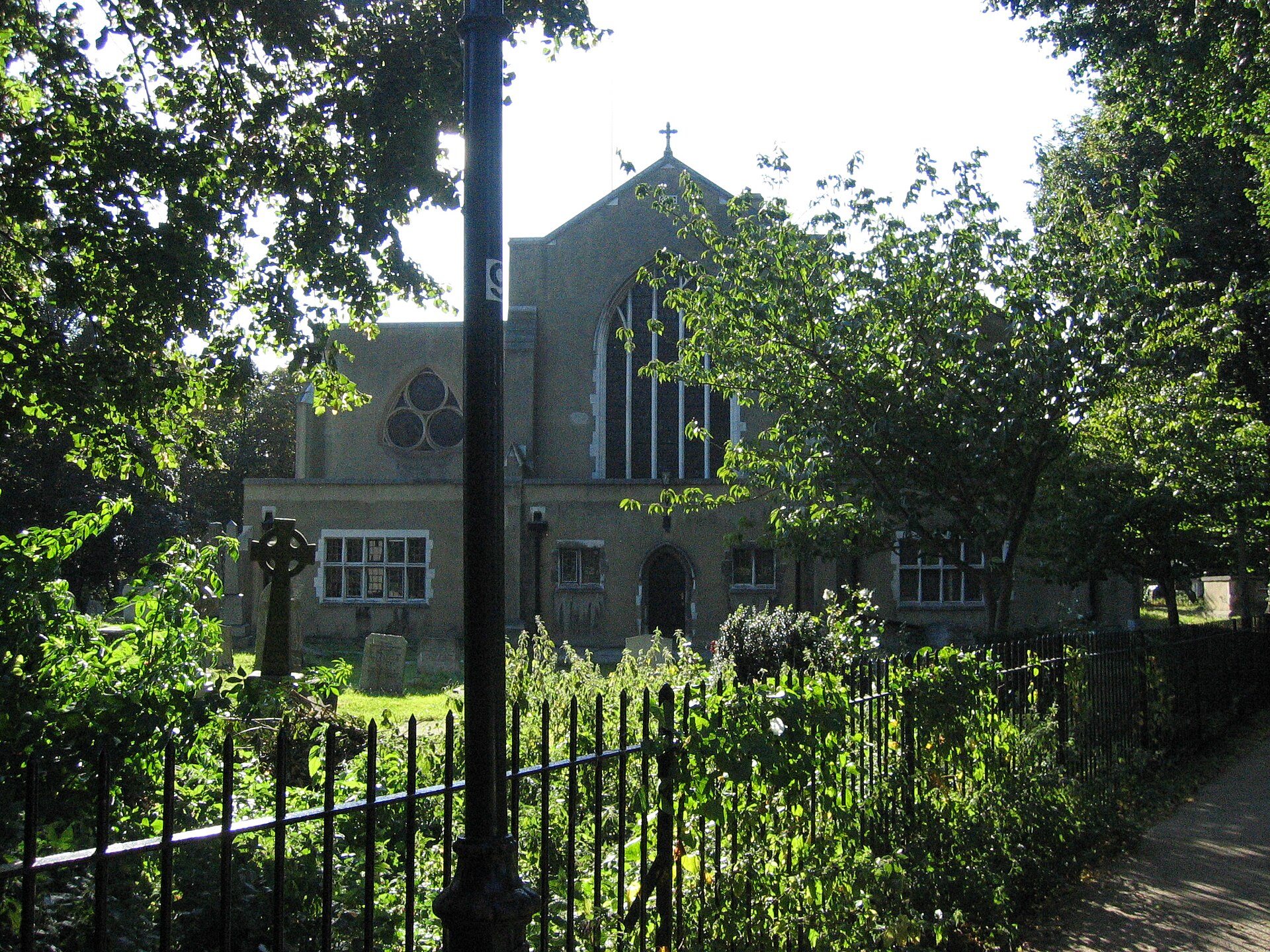
Leytonstone (St. Patrick's) Roman Catholic Cemetery is a large Catholic burial ground in east London, in Leytonstone in the borough of Waltham Forest. It opened in 1868 to give the East End's Roman Catholics consecrated ground for burials. It is one of only two Roman Catholic cemeteries in London, the other being St Mary's in Kensal Green.
What should you know about this place?
This is not a ticketed attraction with a visitor route. It is a working cemetery where Londoners have been buried for over 150 years, including very many Irish families who settled in the east of the city during the 19th century. Sources put the number of burials at roughly 170,000, making it one of the largest cemeteries in the area. It tells a story of migration and faith in London.
Who is buried here?
The best-known burial is Mary Jane Kelly, regarded as the last canonical victim of Jack the Ripper, killed in 1888. Her grave was originally unmarked, and its exact location remains uncertain. A memorial stone placed in 1986 is now thought to stand in the wrong spot. For this reason the cemetery draws people interested in London's criminal history.
Timothy Evans is also buried here. He was hanged in 1950 for a murder later attributed to John Christie. After a pardon, his remains were moved from Pentonville Prison and reburied at this cemetery in 1965. His case is among the most discussed in Britain's debate on capital punishment.
War graves
The cemetery contains Commonwealth war graves from both World Wars, maintained by the Commonwealth War Graves Commission. According to the CWGC, there are well over a hundred burials from 1914-1918 and a similar number from 1939-1945. Some of the casualties came from outside Britain, including New Zealand, as recorded by New Zealand's war graves register.
How to visit respectfully
This is a place of rest, so keep quiet and show respect. Be discreet around visiting families, stay on the paths and avoid photographing mourners. Check opening hours and access rules with the cemetery's management beforehand. A walk usually takes one to two hours, depending on how many graves you want to find. For specific names, use the CWGC records or the cemetery office.
Frequently asked questions
When was the cemetery founded? In 1868.
Is it a tourist attraction? Not in the usual sense. It is an active cemetery, but its history and well-known graves attract people interested in London's past.
Where is Mary Jane Kelly buried? In this cemetery, though the precise location of her grave is uncertain. The 1986 stone was later judged to be in the wrong place.
Are there war graves? Yes, from both World Wars, cared for by the CWGC.
How do I get there? The cemetery is in Leytonstone, east London, and is easy to reach by public transport. Check the exact route in a map app.
Why does it matter?
For anyone interested in London's social history, the cemetery is a quiet record of the Irish and Catholic communities of the East End. It brings together ordinary families, war casualties and notorious criminal cases, offering a less obvious view of the city away from the main tourist trails.
Nearby places

Earn badges for the places you visit
Download NextOnTrip, discover new places and check off your trails.