Save this place and discover nearby attractions with NextOnTrip
In the app you can add it to your favorites, see what else is worth visiting nearby on the map, and earn a badge for your visit.
The app is available for iPhone and Android.
About this place
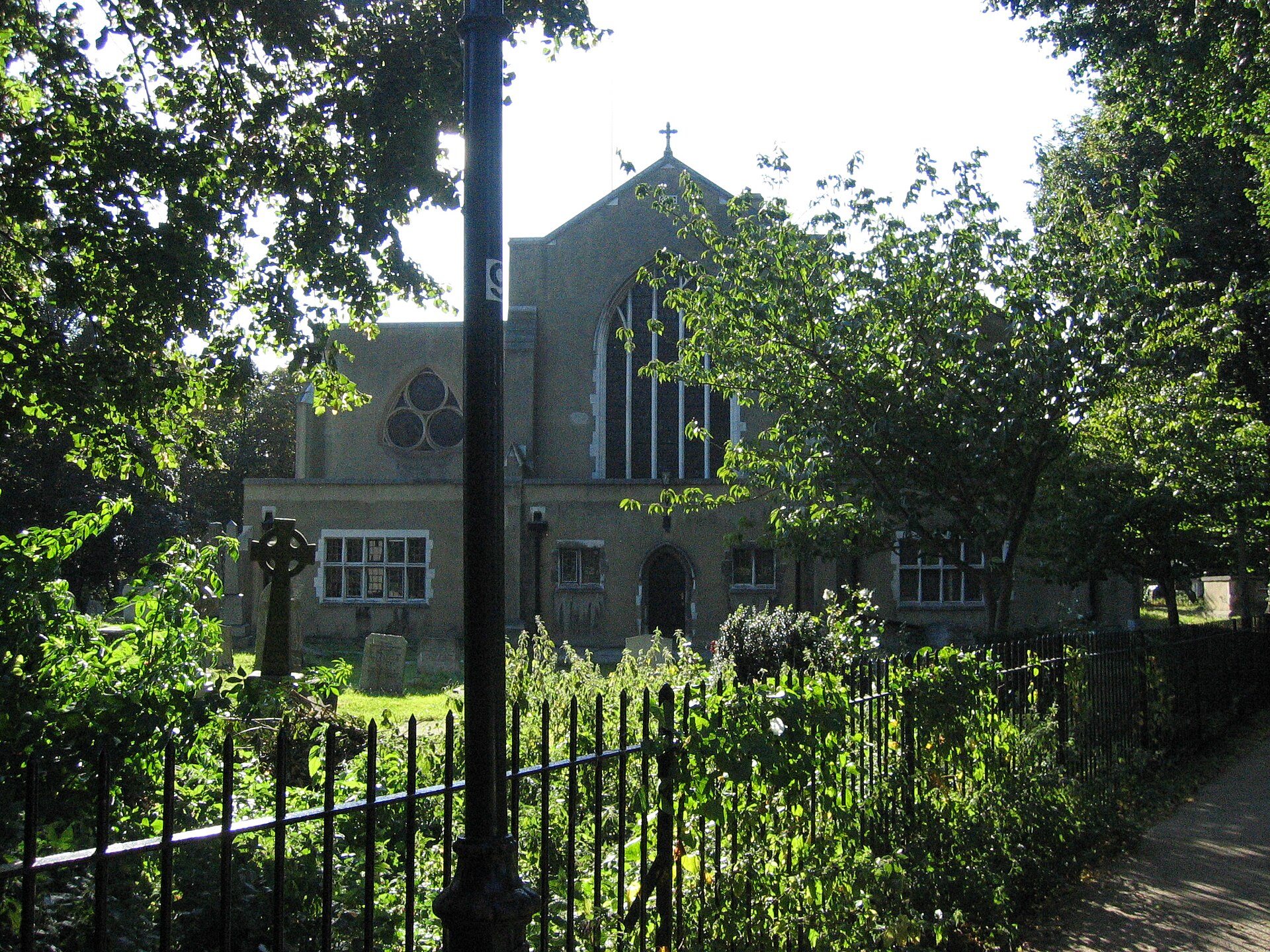
Church of St John the Baptist in Leytonstone is a Grade II listed Anglican parish church in the London Borough of Waltham Forest, in the east of the capital. Built in the early 1830s in a Gothic style, it is one of the oldest surviving landmarks of Leytonstone and a good stop for anyone interested in the quieter, residential side of London's church architecture.
What is the history of the church?
The story of worship on this spot begins before the present building. A small chapel opened here in 1749, but its opening was followed by a legal dispute with the lord of the manor, and services only resumed in 1754. As the local population grew, the chapel was no longer enough. Subscriptions for a proper church were gathered in 1829, and construction began in 1832. The land was donated by William Cotton, and the new church was consecrated on 31 October 1833.
Who designed it and what does it look like?
The 1832–33 church was designed by Edward Blore, a prolific architect of the period known for work in the Gothic Revival manner. The building is made of gault brick, a pale yellowish brick typical of the London area, with stone dressings. A square tower gives the church its recognisable profile. Blore's design is in the restrained, economical Gothic often chosen for new parish churches of the early 19th century, rather than the richer ornament that became fashionable later.
How has the building changed over time?
The church was extended as the parish grew. A chancel was added in 1893 by the firm Adams & Mann, and a south aisle followed in 1909–10, designed by Caröe & Passmore. These additions mean the building reflects several stages of Victorian and Edwardian church-building, not only Blore's original work. The church was given Grade II listed status in 1987, which recognises its architectural and historic interest and protects it from unsympathetic alteration.
Why visit?
- It is a well-preserved example of an early 1830s Gothic Revival parish church by a notable architect.
- The later chancel and aisle show how churches were adapted over roughly eighty years.
- It is a living parish church, so it is part of everyday Leytonstone life and not a museum piece.
- It fits well into a walk around Leytonstone and the surrounding Waltham Forest area.
Frequently asked questions
When was the church consecrated? On 31 October 1833, after building work that began in 1832.
Who was the architect? Edward Blore designed the original building. Later additions were made by Adams & Mann (chancel, 1893) and Caröe & Passmore (south aisle, 1909–10).
Is the church listed? Yes, it is Grade II listed, a designation dating from 1987.
What is the church built from? Gault brick with stone dressings, with a square tower.
Can I go inside? It is an active parish church. Opening hours and service times vary, so check with the parish before planning a visit.
Where is it? In Leytonstone, in the London Borough of Waltham Forest, in east London.
Nearby places

Earn badges for the places you visit
Download NextOnTrip, discover new places and check off your trails.