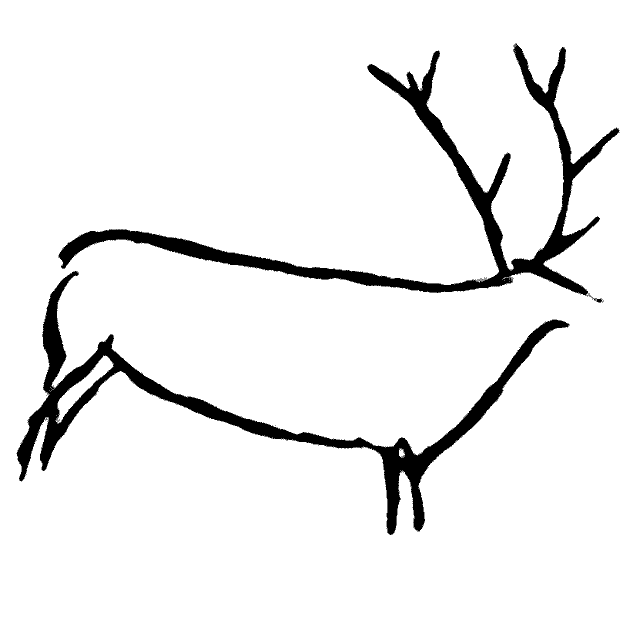
About this place
Las Chimeneas is a cave and archaeological site set into the eastern slope of Monte Castillo hill, in the municipality of Vargas, deep in the Cantabria region of northern Spain. It sits right next to Puente Viesgo, a small spa town that has long served as the gateway for visiting this hill and its cluster of prehistoric caves.
Where exactly is Las Chimeneas?
Monte Castillo rises above the valley of the River Pas and has drawn archaeologists and curious travelers for decades. Las Chimeneas occupies its eastern flank, surrounded by the green hills, small villages, and limestone outcrops typical of this part of Cantabria — rock that water has slowly carved into a network of caves over thousands of years. The site sits at coordinates 43.289444, -3.964444, right on the boundary between the municipalities of Vargas and Puente Viesgo.
What makes this site worth knowing about?
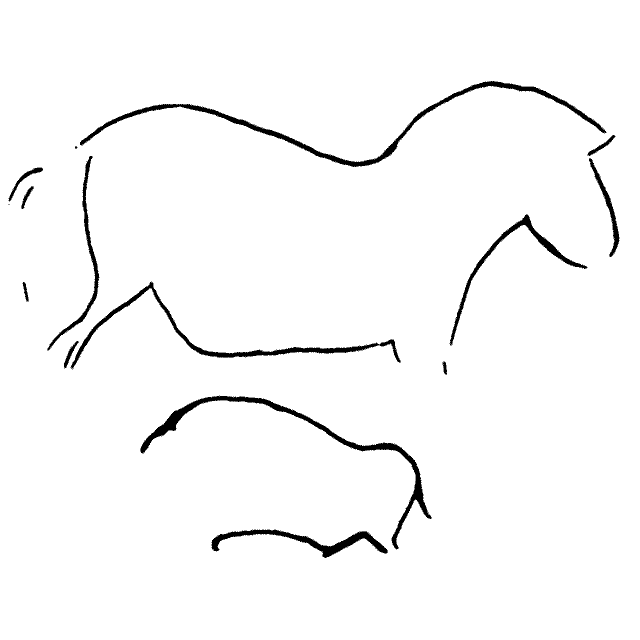
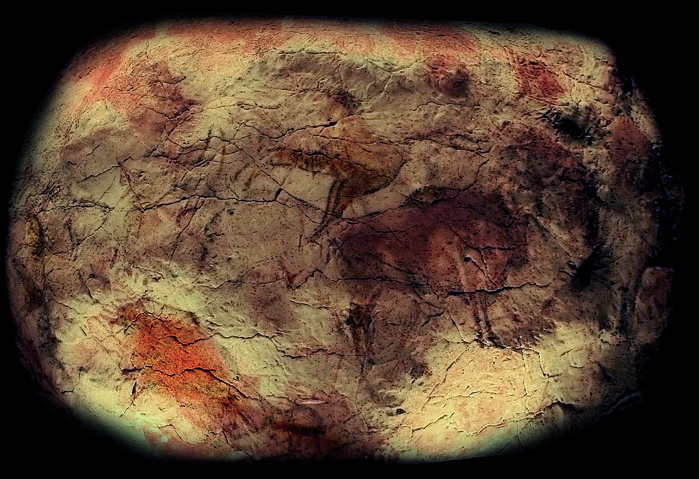
Las Chimeneas is one of the caves belonging to the Monte Castillo group, alongside the better-known El Castillo, as well as La Pasiega and Las Monedas. This cluster of caves is part of a wider UNESCO World Heritage listing covering caves with Paleolithic art in northern Spain, in the same company as the famous Altamira cave. The name "Chimeneas" (chimneys) refers to the narrow, tall rock passages inside the cave that resemble ventilation shafts — a feature typical of karst caves shaped by centuries of water working through limestone.
For archaeologists, Monte Castillo is one of the key locations for studying Stone Age life on the Iberian Peninsula: sediment layers and finds from this hill have helped establish a chronology of human settlement in the region spanning thousands of years. For visitors, it's a chance to stand in a landscape where prehistory feels tangible rather than something read about behind museum glass.
How do you get there?
Traveling by car is the most practical option — Puente Viesgo and the surrounding villages of Vargas municipality sit inland in Cantabria, within reach of a day trip from Santander or Torrelavega. Local roads wind through the hills, so it's worth allowing extra time, especially if you plan to visit more than one cave on Monte Castillo in the same day. Travelers without a car should check local bus connections from the region's larger towns in advance, since public transport coverage in this part of Cantabria is limited.
When should you visit?
Cantabria has an oceanic climate with rainfall spread throughout the year, so the season matters less here than in Spain's Mediterranean regions. Spring and early autumn tend to be the most pleasant times to visit, with milder temperatures than summer and fewer crowds than during the peak holiday season. Access to caves of this kind is typically regulated, often requiring advance booking or a guided visit, so it's worth checking current entry rules before setting off.
Frequently Asked Questions
Which municipality is Las Chimeneas in? The cave lies within the municipality of Vargas, on the eastern slope of Monte Castillo, close to Puente Viesgo.
Is Las Chimeneas open to tourists? It is primarily an archaeological site. Visits to the caves of Monte Castillo are usually organized and guided, so it's a good idea to plan and book ahead of time.
How is Las Chimeneas different from the other caves on Monte Castillo? Its name comes from the narrow, chimney-like rock passages that run through it. Together with El Castillo, La Pasiega, and Las Monedas, it forms part of the same hill's cave complex, sharing the same archaeological significance.
What else is there to see nearby? Puente Viesgo, a small spa town, is the natural base for exploring Monte Castillo and its caves, along with the surrounding hills of the Pas river valley.
Nearby places

Earn badges for the places you visit
Download NextOnTrip, discover new places and check off your trails.