About this place
Hornos de la Peña is a cave with Paleolithic rock art, located near the village of Tarriba, in the municipality of San Felices de Buelna, in Cantabria, northern Spain. It is one of several Cantabrian archaeological sites included in the extended UNESCO listing of Paleolithic cave art in northern Spain, alongside Altamira and other regional caves.
What will you see inside?
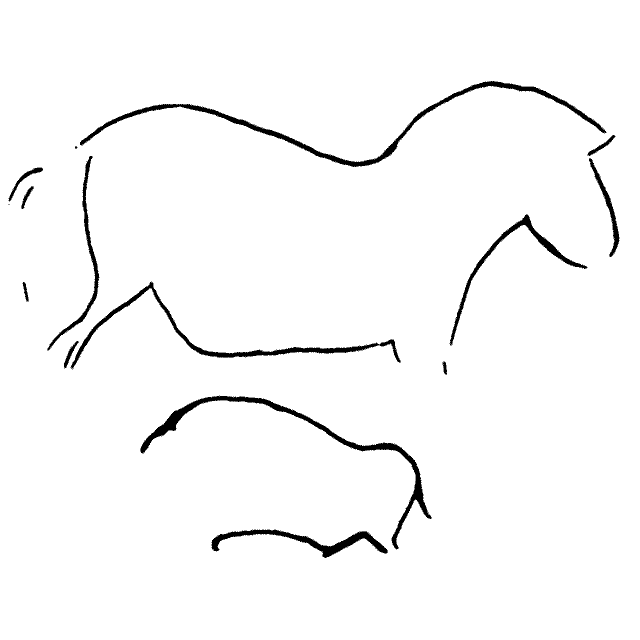
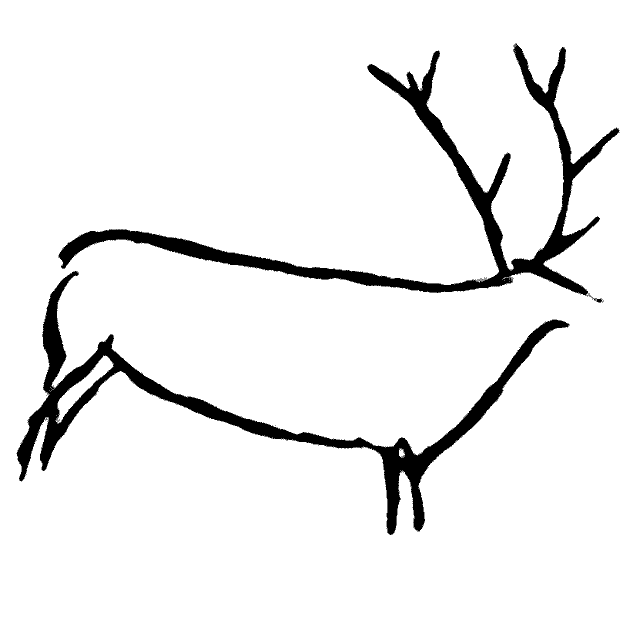
The cave holds engravings and wall depictions of horses, bison, and other animals typical of Upper Paleolithic iconography. Discovered in the early 20th century, the artwork was created mainly through engraving directly into the rock surface, which sets Hornos de la Peña apart from caves better known for painted polychrome scenes. The passages wind through natural chambers where prehistoric artists made use of the rock's own contours to shape the outlines of animals.
Visits run in small guided groups, since the fragile engravings need protection from humidity and touch. Expect a cool, damp interior regardless of the season — cave temperatures in this region stay low and stable year-round.
How do you get there?
The cave sits in the municipality of San Felices de Buelna, in the Besaya river valley, within easy reach of Santander and Torrelavega, the region's largest towns. Driving is the most practical option, since surrounding villages, including Tarriba, have limited public transport. Local roads branch off the main regional routes toward the hillside where the cave entrance is found.
Because visitor groups are small, booking ahead is advisable, especially in summer and during holiday periods when interest in Cantabria's caves peaks.
When should you visit?
The region's caves can be visited year-round, since conditions inside stay stable regardless of the weather outside. Spring and early autumn offer a good balance — fewer visitors than summer and milder conditions for the drive and any walking around the site. In summer, expect heavier demand and a greater need to book your entry slot in advance.
What else to combine with the visit?
San Felices de Buelna and the surrounding valleys of Cantabria hold several other Paleolithic sites along with scenic mountain villages. Visitors interested in prehistory can round out the trip with nearby regional museums that explain the context of the discoveries and display finds from local caves. The Besaya valley itself, with its green hills and pastures, invites a walk beyond the cave visit.
Frequently asked questions
Can you visit Hornos de la Peña cave on your own? No — to protect the rock engravings, visits are guided only, in small groups.
Do you need to book tickets in advance? Yes, especially in high season. Group sizes are limited, so booking ahead improves your chances of getting a convenient time slot.
How do you get there without a car? Public transport around Tarriba and San Felices de Buelna is limited, so driving from Santander or Torrelavega is the most convenient option.
What sets this cave apart from Altamira? Hornos de la Peña is known mainly for its rock engravings, while Altamira is famous for polychrome paintings — together, the two forms of Paleolithic art complement each other across the Cantabrian region.
Nearby places

Earn badges for the places you visit
Download NextOnTrip, discover new places and check off your trails.