About this place
El Pendo is a cave archaeological site located near Camargo, in the Spanish autonomous community of Cantabria, just a short distance from the city of Santander. It ranks among the most important sites documenting prehistoric human settlement in northern Spain — the cave's cultural layers span an occupation record stretching from the Middle Palaeolithic through to the Bronze Age, making it one of the longest continuous stratigraphic sequences in the region.
Where exactly is El Pendo?
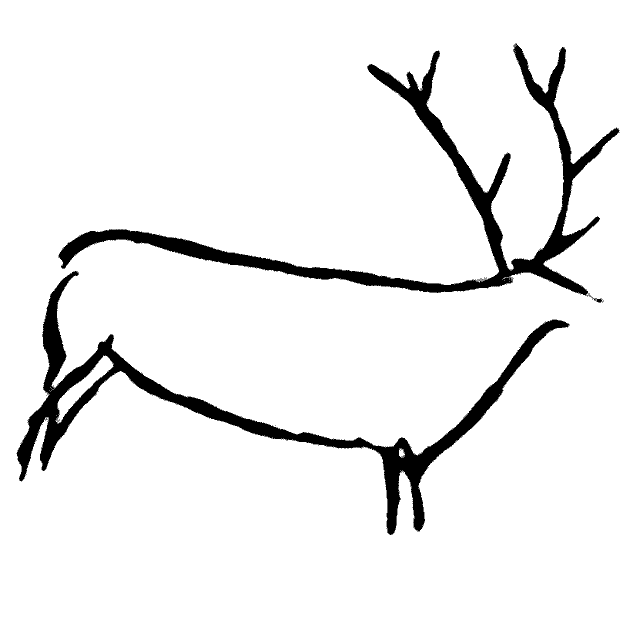
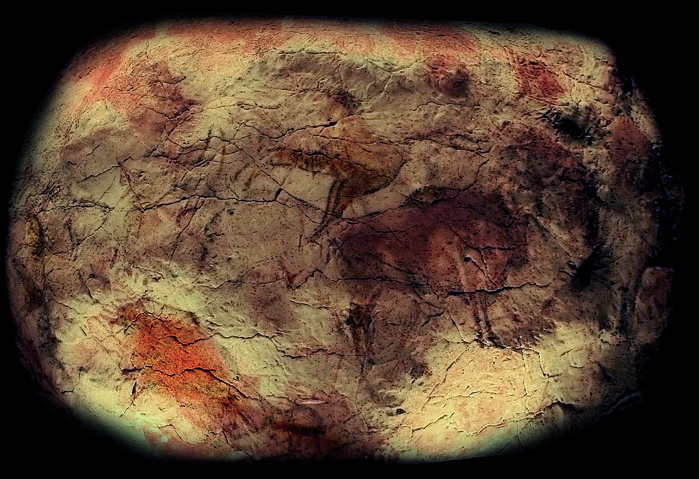
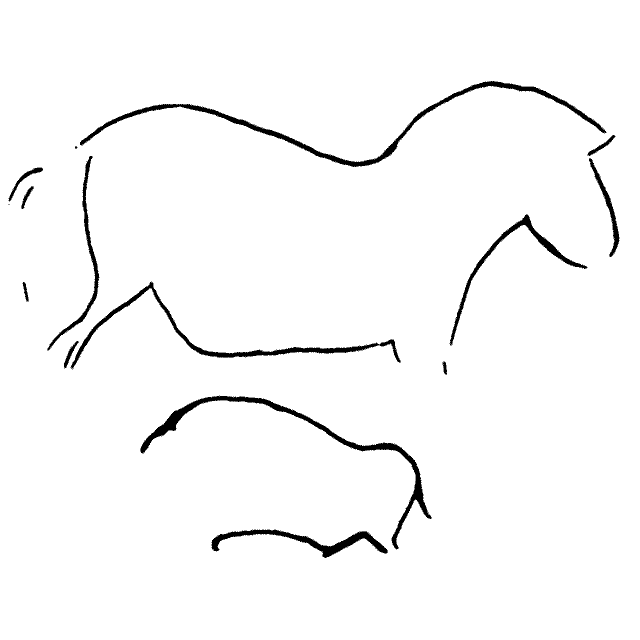
The cave lies in Escobedo, a village within the municipality of Camargo. Its interior holds not only a rich body of archaeological material — stone tools, hearth remains, animal bones — but also Palaeolithic cave paintings depicting animals and abstract signs. Because of the value of this prehistoric artistic record, El Pendo is included among the Cantabrian caves recognised as part of the UNESCO World Heritage listing dedicated to Palaeolithic cave art in northern Spain, a group that also includes the famous Altamira.
How do you get to El Pendo?
Camargo sits right next to Santander, the capital of Cantabria, so the easiest way to reach the site is by car — the drive from the city centre typically takes around 15 to 20 minutes. Santander has its own airport with domestic and some international connections, plus a ferry port linking Spain and the United Kingdom, which makes the region reasonably accessible for travellers arriving from abroad. Since El Pendo is a protected archaeological site, visiting access can be restricted, so it's worth checking current rules and whether advance booking is required before planning a trip.
What will you see on site?
The cave itself is above all a testament to a very long history of human presence — successive sediment layers have allowed archaeologists to trace how the lifestyles of the region's early inhabitants changed over thousands of years. The cave paintings, though less widely known than those at Altamira, form a valuable part of the same Palaeolithic art complex found across Cantabria. The surrounding Camargo municipality also offers a quiet, rural contrast to urban Santander, with green valleys typical of the Cantabrian countryside.
When is the best time to visit?
Cantabria has a mild Atlantic climate — summers are moderately warm and winters mild but rainy. The best months for exploring the Camargo area and the Cantabrian coast are from May to September, when the weather also favours visits to nearby beaches and hiking trails. Keep in mind, though, that access to the El Pendo cave itself depends on the schedule set by local heritage authorities, regardless of the season.
What else can you combine the visit with?
Its closeness to Santander makes it easy to pair a visit to El Pendo with exploring the Cantabrian capital — its beaches, seafront promenade and the Centro Botín. The region is also home to several other caves with Palaeolithic paintings, including Altamira, allowing visitors to build a route dedicated to the prehistoric cave art of northern Spain.
Frequently asked questions
Can you visit El Pendo cave on your own? As a protected archaeological site, El Pendo has restricted access. Before planning a visit, check the current visiting rules and whether a reservation is required.
How far is El Pendo from Santander? It's a short distance — the drive usually takes 15 to 20 minutes, since Camargo borders the Cantabrian capital directly.
How does El Pendo differ from Altamira? Both caves belong to the same UNESCO-listed complex of Palaeolithic cave art, but El Pendo is less widely known to the general public and stands out for its exceptionally long, continuous stratigraphic sequence documenting settlement from the Palaeolithic to the Bronze Age.
Are there other attractions nearby? Yes — the proximity of Santander, with its beaches and architecture, along with other Cantabrian caves, makes it easy to plan a longer stay combining nature, history and time by the Atlantic coast.
Nearby places

Earn badges for the places you visit
Download NextOnTrip, discover new places and check off your trails.