About this place
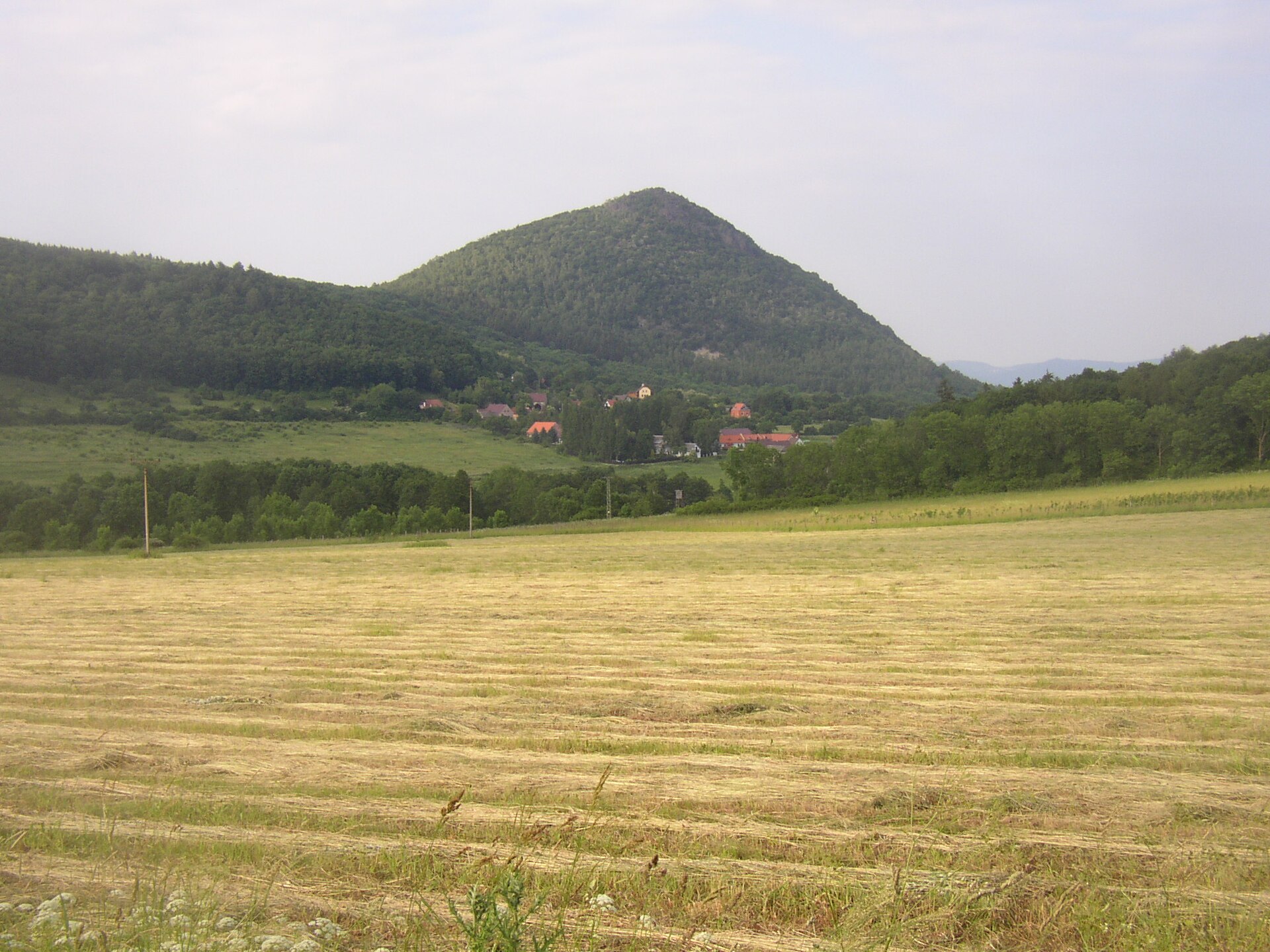
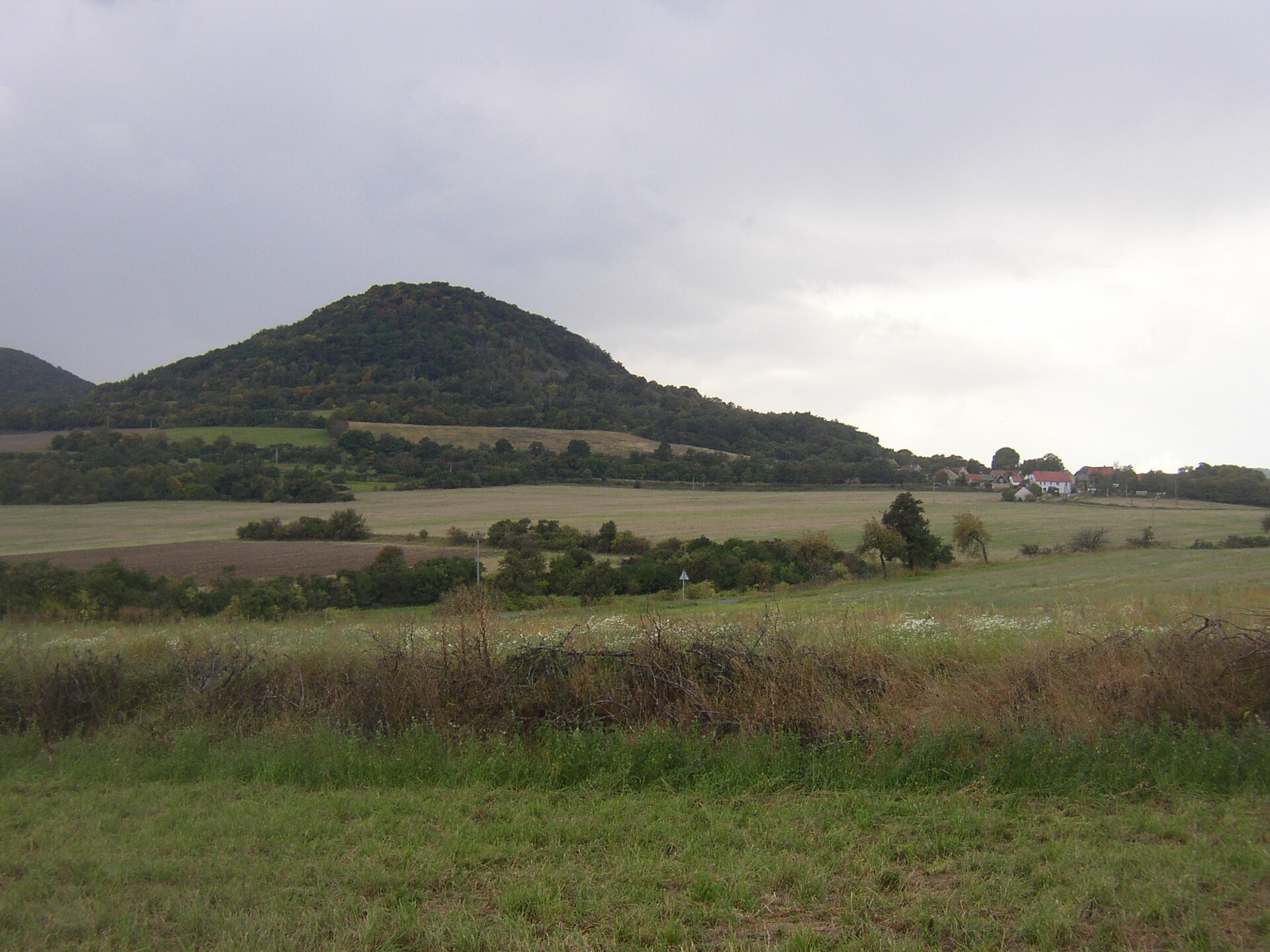
Kuzov is a small but geologically remarkable nature monument in the western part of the Bohemian Central Uplands (České středohoří), roughly half a kilometer west of the village of Dřemčice and just under two kilometers north of Třebívlice, in the Ústí Region of the Czech Republic. It's a stop for travelers who want more than scenery on their trip — Kuzov tells the story of the region's volcanic past written directly into its rock.
What makes Kuzov worth visiting?
At the heart of this protected site is the point where two veins of leucitic tephrite meet — a volcanic rock formed during the Tertiary period, when this part of Bohemia was shaped by volcanic activity. These veins cut across Turonian-age sediments, creating a geological exposure that draws the attention of geologists and anyone curious about the deeper history of the landscape. Near the summit ridge, the Turonian rock layers are further covered by boulders and rock debris, giving the whole area a raw, rugged character.
The hill itself is formed by two rocky ridges, and the lower one has earned a local nickname — "Lion's Head" — for its distinctive silhouette, said to resemble the shape of a lion's head. It's a small detail worth knowing before a visit, since it helps with orientation and makes for an easy point of reference when talking with locals or guides.
What plants and animals live here?
The slopes of Kuzov are covered with native black pines, well suited to the dry, rocky volcanic soils of the area. These sun-exposed, stony conditions are exactly what allows heat-loving vegetation to thrive. The site protects several rare thermophilic plant species, including rock alyssum, meadow pasque flower, fescue grasses, and species from the garlic and asphodel family. Their presence is one of the main reasons this small area was placed under legal protection.
Wildlife here reflects the dry, rocky character of the Central Uplands: red foxes, common buzzards, and grass snakes of the viper-resembling adder family all find suitable conditions among the warm, sun-baked rocks and the small prey they support.
Why add Kuzov to a Czech Central Uplands itinerary?
Kuzov suits travelers exploring the Bohemian Central Uplands who want to pair sightseeing with a bit of geology and botany. It's an under-the-radar spot, free of the crowds found at the region's better-known viewpoints, yet genuinely distinctive — the exposed volcanic veins, the specialized plant life, and the recognizable "Lion's Head" ridge combine into a landscape that's easy to remember.
Frequently asked questions
Where exactly is Kuzov located? In the western part of the Bohemian Central Uplands, about 0.5 km west of Dřemčice and 2 km north of Třebívlice, in the Ústí Region of the Czech Republic.
What is the main reason this site is protected? Primarily the geological intersection of two Tertiary-age leucitic tephrite veins with surrounding Turonian sediments, along with rare heat-loving plant species.
What animals can be found at Kuzov? Red foxes, common buzzards, and grass snakes, all typical of the dry, rocky habitats found across the region.
Where does the nickname "Lion's Head" come from? It refers to the lower of Kuzov's two rocky ridges, named for its shape, which locals say resembles the head of a lion.
Nearby places

Earn badges for the places you visit
Download NextOnTrip, discover new places and check off your trails.