About this place
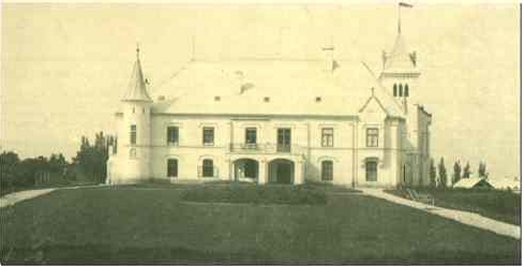
Klenovnik Castle in Općina Klenovnik is the largest castle in Croatia, located in Varaždin County. Often called the "Croatian Versailles," this architectural gem combines late Renaissance and early Baroque elements, representing a unique example of a defensive fortress transformed into an aristocratic residence.
What is the castle's historical background?
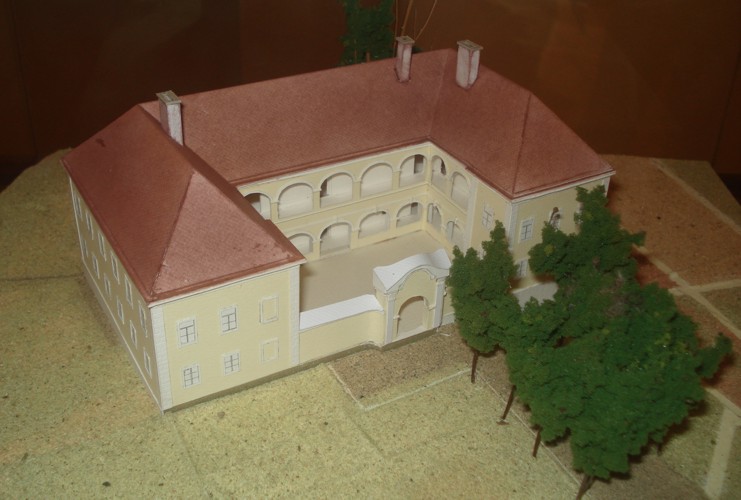
The first recorded mention of the castle dates to 1244, when Hungarian-Croatian king Béla IV granted it to the prefect of Varaždin. The castle took its current form around 1616 when Ban Ivan II Drašković commissioned a four-winged, two-story building with an inner courtyard. In the 17th century, the castle featured 90 lavish rooms and 365 windows, serving as a venue for Croatian Parliament (Sabor) sessions. The castle chapel functioned as the burial crypt for the Drašković family.
How did ownership change over time?
In 1850, Juraj VI Drašković sold the castle to Baron Bruck, the Austrian Minister of Finance, to fund renovations of Trakošćan Castle. Subsequent owners included the Paradiž family (from 1881 to 1922), followed by Count Bombelles. In 1925, the Central Office for Workers' Insurance in Zagreb purchased the property. Two years later, it was converted into a sanatorium for sick workers, and the tuberculosis hospital that opened there became one of the best-equipped facilities in the newly formed Kingdom of Yugoslavia.
What makes the architecture special?
The rectangular castle represents an architectural evolution from medieval fortress through Renaissance residence to early Baroque elements. The best-preserved interior is the Baroque Chapel of St. Anthony from the 18th century, considered one of the most beautiful and valuable castle chapels in Croatia. The castle is surrounded by an extensive park and features 19th-century wall paintings, three Baroque altars, a pulpit, and the Drašković family vault.
Frequently Asked Questions
Can visitors tour the castle interior? No, because the castle still operates as a medical facility. This public function means the building receives regular maintenance and has avoided the decay affecting many other Croatian castles. However, visitors can explore the exterior and surrounding park.
Why is it called the "Croatian Versailles"? The nickname reflects the castle's size and grandeur. As Croatia's largest castle, with 90 rooms and lavish furnishings, Klenovnik rivaled the splendor of Europe's most important residences of its era.
Who were the Drašković family? The Draškovićs ranked among Croatia's most important noble families, controlling the castle from the 16th to 19th centuries. Ivan II Drašković served as ban (viceroy), and the castle hosted Croatian Parliament sessions while serving as the family's burial site.
What is the castle's current function? Since 1927, the castle has housed a medical facility, initially a sanatorium for workers with tuberculosis. This public function has ensured continuous maintenance and good technical condition, unlike many abandoned castles in the region.
Nearby places

Earn badges for the places you visit
Download NextOnTrip, discover new places and check off your trails.